Introduction
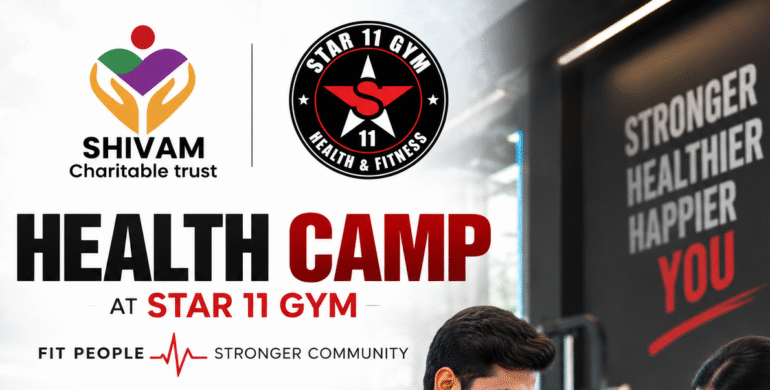
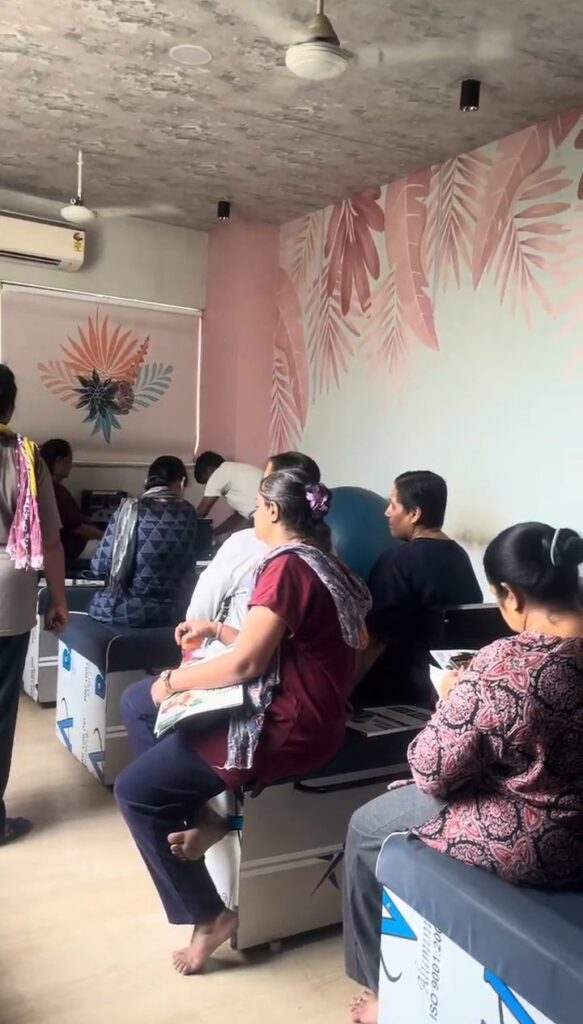
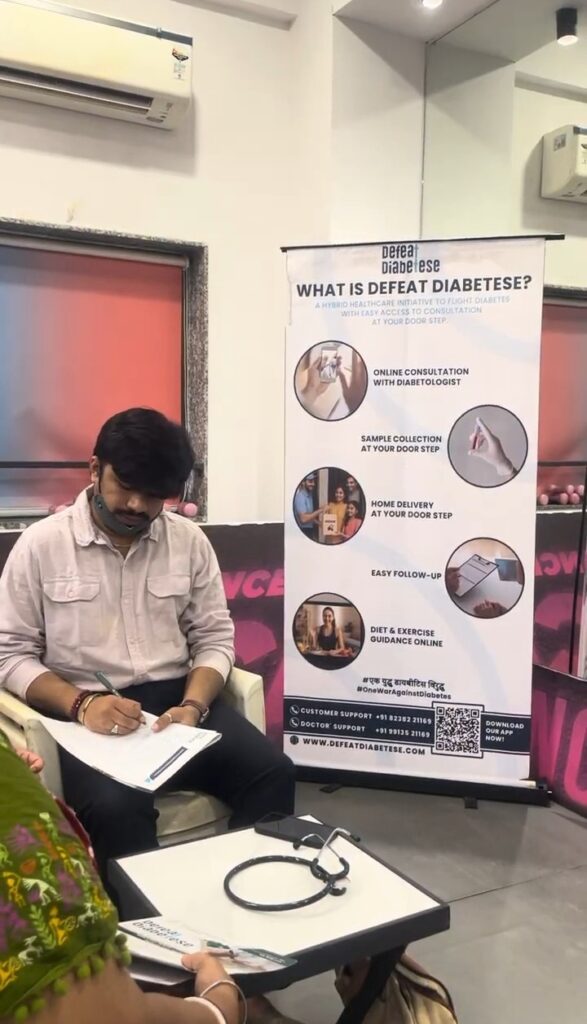
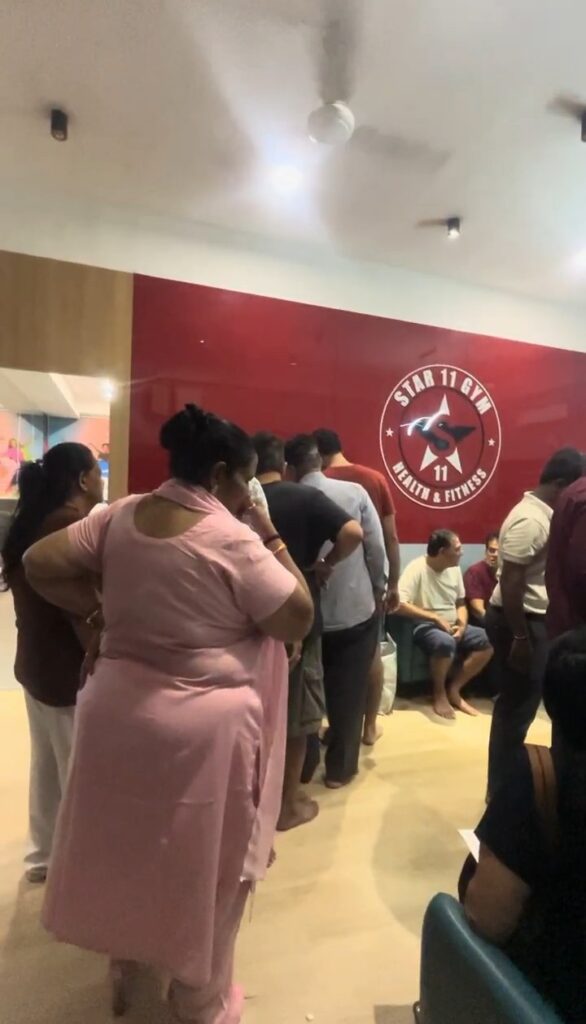
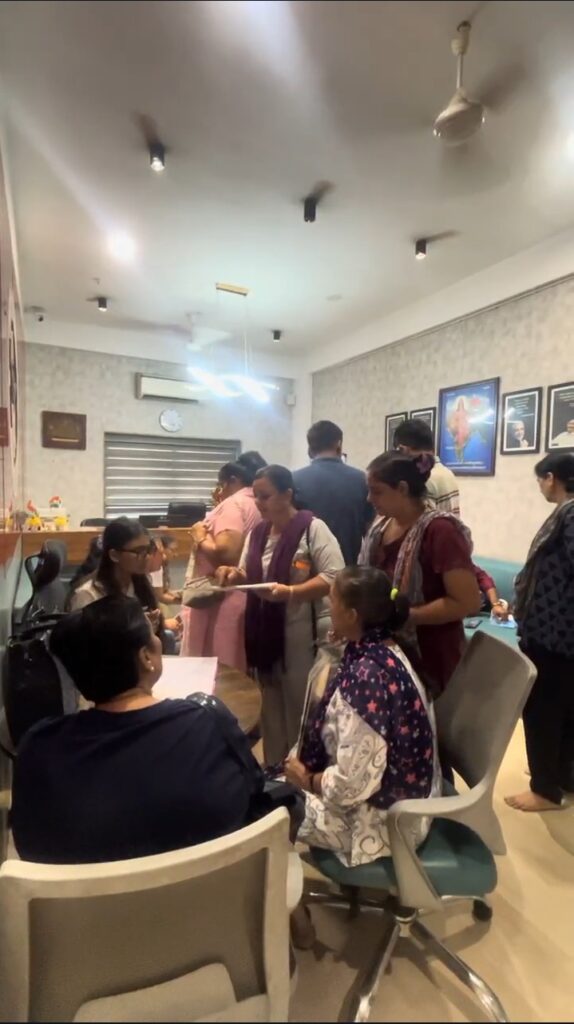
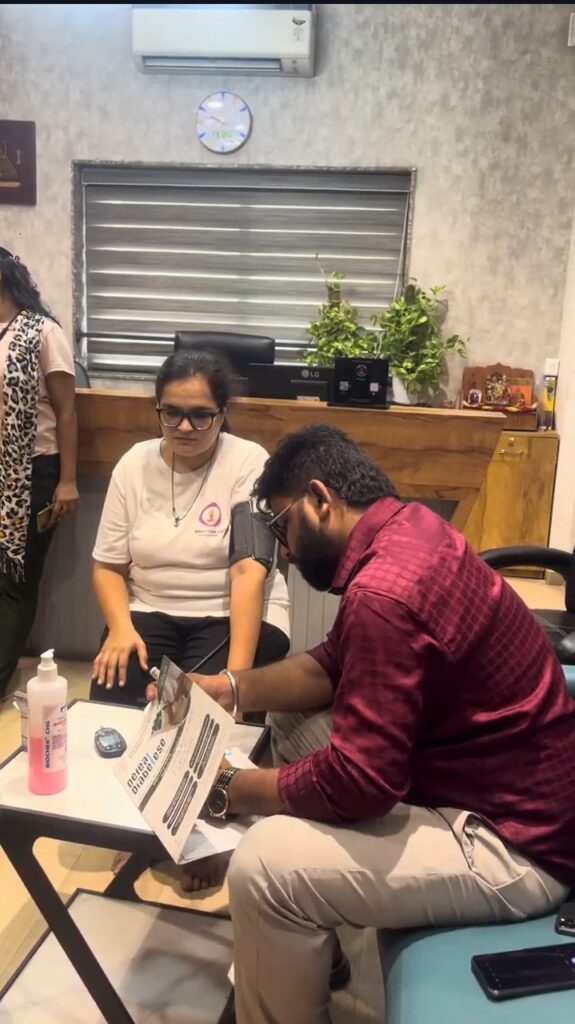
Star11 Gym Health Camp was organized by Shivam Charitable Trust with the aim of encouraging people to pay greater attention to their health, fitness and everyday lifestyle choices.
A gym is generally associated with exercise, strength and fitness. But good health goes beyond physical training. It also includes awareness, preventive care, healthy nutrition, regular monitoring and making informed decisions about personal well-being.
By organizing a health-focused initiative at Star11 Gym, Shivam Charitable Trust brings together two important ideas: fitness and health awareness.
The purpose of such an initiative is not simply to encourage people to exercise. It is also to remind individuals that taking care of their health should become a regular part of everyday life.
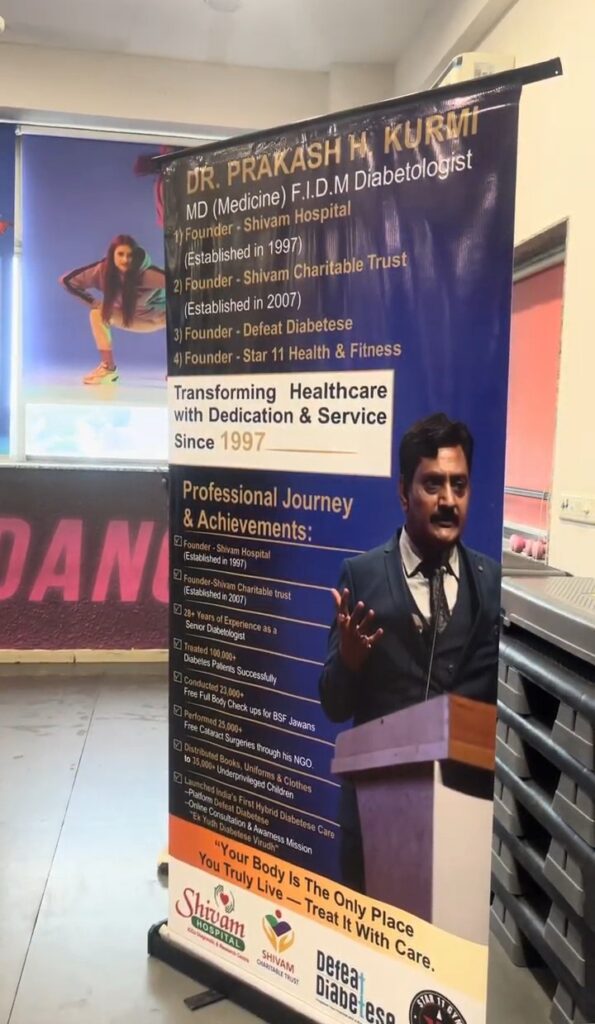
Star11 Gym Health Camp
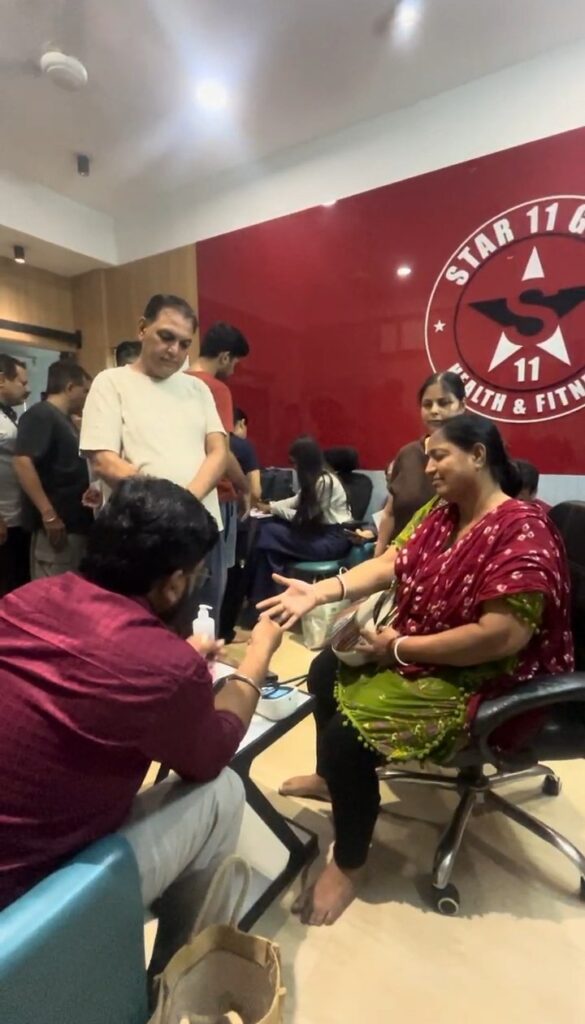
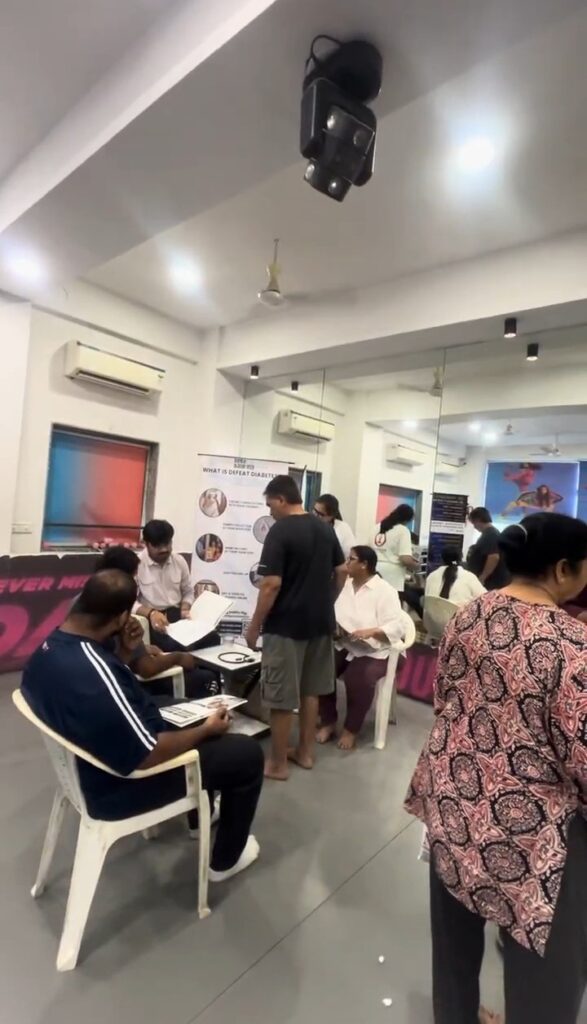
The Star11 Gym Health Camp created an opportunity to connect fitness with preventive healthcare and health awareness.
People who regularly visit gyms are already taking an important step toward physical activity. However, understanding overall health can help individuals make better and more responsible lifestyle choices.
A health camp can encourage participants to think about their health from a wider perspective.
This includes understanding the importance of:
- Regular physical activity
- Healthy eating
- Preventive health checks
- Adequate rest
- Mental well-being
- Healthy weight management
- Professional medical guidance when needed
The initiative also reflects the importance of making health awareness accessible in places where people already spend time.
Why Health Awareness Matters
Good health is not only about avoiding illness.
It is also about building habits that support physical and mental well-being over time.
Many lifestyle-related health concerns are influenced by factors such as physical inactivity, unhealthy eating patterns, tobacco use, excessive alcohol consumption and other behavioural factors.
According to the World Health Organization, regular physical activity can help prevent and manage several noncommunicable diseases, including cardiovascular disease, diabetes and hypertension, while also supporting mental health and overall well-being.
This is why health awareness and fitness should work together.
People who understand the importance of prevention may be more likely to make healthier choices and seek professional advice when they have concerns.
Fitness and Preventive Healthcare
Exercise is an important part of a healthy lifestyle, but it should not be considered the only part.
A person can exercise regularly and still benefit from understanding nutrition, sleep, stress management and preventive healthcare.
Similarly, someone who is not currently active does not necessarily need to make extreme changes immediately.
Small and sustainable steps can be a practical way to become more active.
WHO emphasizes that some physical activity is better than none, and physical activity can include walking, cycling, sports, recreation and other everyday movement.
The message is simple:
Fitness is a journey, not a one-day activity.
7 Powerful Steps to Better Health
1. Make Physical Activity Part of Your Routine
Regular movement is one of the foundations of a healthy lifestyle.
People can choose activities according to their age, fitness level and individual circumstances.
Walking, strength training, cycling, sports or other suitable activities can help people remain active.
For adults, WHO recommends at least 150 minutes of moderate-intensity physical activity per week, or an equivalent amount of vigorous activity, along with muscle-strengthening activities on two or more days per week.
People with medical conditions or specific limitations should discuss suitable activity levels with an appropriate healthcare professional.
2. Focus on Healthy Nutrition
Exercise and nutrition work together.
A healthy diet can support energy levels, weight management and overall well-being.
Instead of following extreme diets, people can focus on practical habits such as choosing nutritious foods, maintaining appropriate portions and developing balanced eating patterns.
Healthy eating should be sustainable.
The goal should be to create habits that can realistically continue for months and years.
3. Understand Your Health
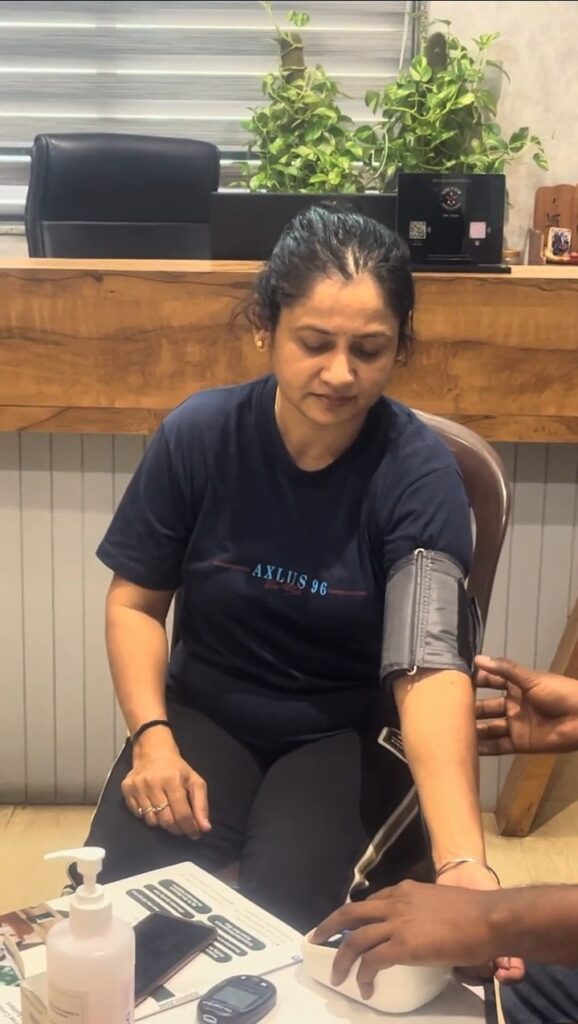
Knowing your health status can help you make better decisions.
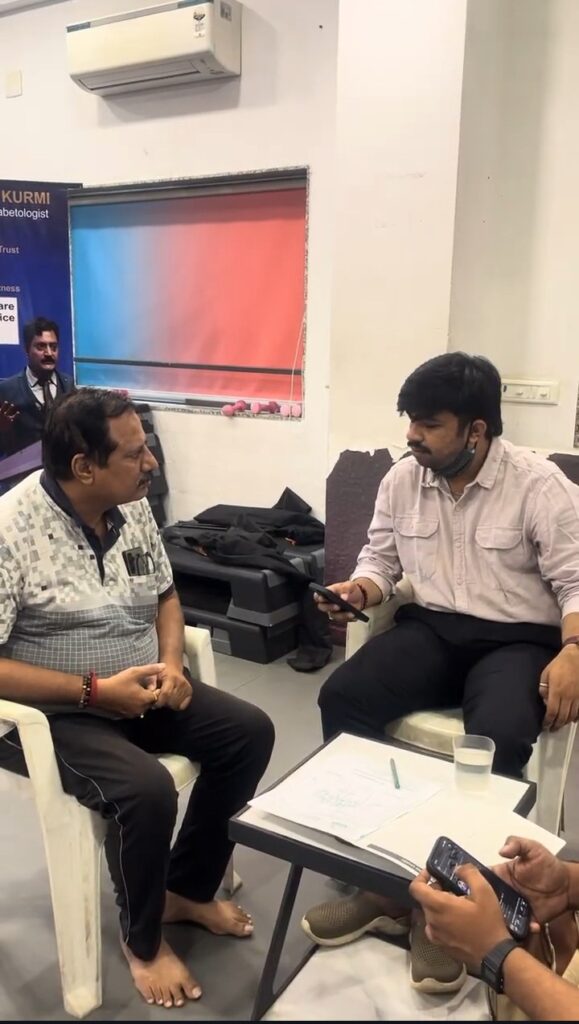
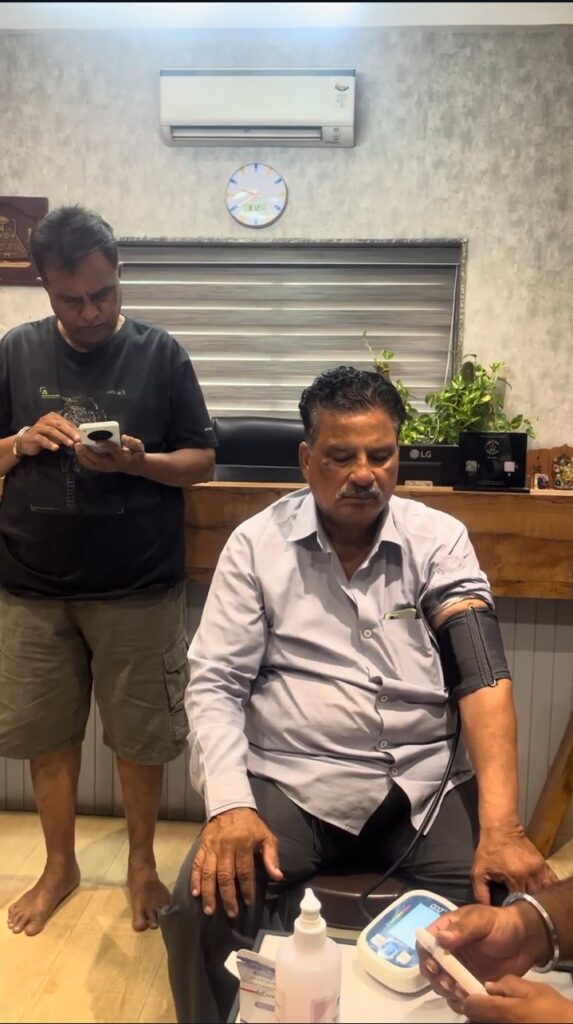
Appropriate health checks can help people discuss concerns with qualified healthcare professionals.
Health awareness is especially valuable when people understand that feeling fine does not always mean every aspect of health is perfect.
Preventive care can encourage individuals to pay attention to their health before problems become more difficult to manage.
A health camp can provide an opportunity for people to start thinking more seriously about this approach.

4. Maintain a Healthy Weight
Maintaining a healthy weight can be an important part of overall well-being.
However, healthy weight is not simply about appearance.
It should be considered together with physical activity, nutrition, sleep, medical history and overall health.
People should avoid unrealistic weight-loss promises or extreme methods.
A balanced lifestyle supported by appropriate professional guidance is generally a more sustainable approach.
5. Give Your Body Enough Rest
Fitness does not mean exercising continuously without recovery.
Rest is an important part of maintaining a healthy routine.
Adequate sleep and recovery can support physical and mental well-being.
People who exercise regularly should also listen to their bodies and avoid ignoring persistent pain, unusual fatigue or other concerning symptoms.
When needed, professional medical advice should be sought.
6. Take Care of Mental Well-Being
Health includes both the body and the mind.
Work pressure, personal responsibilities and everyday stress can affect how people feel and function.
Physical activity can contribute to mental well-being, and WHO notes that regular physical activity is associated with benefits for mental health and overall quality of life.
Simple habits such as staying active, maintaining social connections, getting adequate rest and making time for relaxation can support a healthier routine.
If someone is experiencing persistent or serious mental health concerns, professional support should be considered.
7. Build Long-Term Healthy Habits
The most valuable result of a health camp is not a single day’s activity.
It is the motivation to continue making healthier choices.
Instead of trying to change everything at once, people can start with realistic goals.
For example:
Walk regularly.
Eat more mindfully.
Stay active.
Sleep adequately.
Pay attention to health concerns.
Seek professional advice when needed.
Small habits repeated consistently can become part of a healthier lifestyle.
The Importance of Regular Physical Activity
Modern lifestyles can involve long periods of sitting, screen use and limited movement.
This makes regular physical activity increasingly important.
WHO reports that physical inactivity is associated with increased risk of several health problems, while regular physical activity provides physical and mental health benefits.
Importantly, physical activity is not limited to a gym.
Walking to nearby places, taking stairs when appropriate, participating in sports, doing household activities and staying generally active can all contribute to movement throughout the day.
A gym can provide a structured environment, but an active lifestyle should ideally extend beyond the gym.
Healthy Habits Beyond the Gym
The Star11 Gym Health Camp also highlights an important idea:
Health does not stop when the workout ends.
After exercise, individuals should continue making choices that support their well-being.
These may include choosing nutritious meals, staying hydrated, getting sufficient rest and managing stress.
People should also understand their personal health needs rather than copying fitness routines or diets from social media.
What works for one person may not be appropriate for another.
Professional guidance can be especially important for people with existing medical conditions, injuries or other health concerns.
Community Health and Awareness
Health awareness becomes more powerful when it reaches communities.
A gym can be more than a place for workouts. It can also become a space where people learn about healthier living.
Initiatives like the Star11 Gym Health Camp demonstrate how fitness environments can be connected with broader health awareness.
When people talk about health, encourage each other and share reliable information, healthy habits can become part of the community culture.
The WHO also emphasizes that improving physical activity requires cooperation across communities, organizations and different sectors.
Shivam Charitable Trust and Health Initiatives
Shivam Charitable Trust works on healthcare and community-focused initiatives designed to support people through awareness, services and social action.
The Trust’s official Projects page includes healthcare initiatives such as Health Checkups for Underprivileged People, Free Eye Checkups & Surgeries, Fighting Sickle Cell Disease in Tribal Gujarat and Defeat Diabetes.
You can explore the Trust’s work through its [Projects page] and learn more about the organization through its [About Us page].
The Star11 Gym Health Camp is another example of bringing health awareness into a community setting.
The broader objective is to encourage people to take health seriously and make preventive care and healthy living part of everyday life.
Building a Healthier Future Together
A healthier society is built through awareness and consistent action.
Gyms can encourage physical activity.
Health camps can encourage preventive awareness.
Families can support healthier habits.
Communities can motivate one another.
Organizations such as Shivam Charitable Trust can help bring these efforts together through social initiatives.
The idea is not perfection.
It is progress.
One healthier meal.
One additional walk.
One better health decision.
One conversation about prevention.
Every positive step can contribute to a healthier future.
Conclusion
The Star11 Gym Health Camp organized by Shivam Charitable Trust highlights the important connection between fitness, health awareness and preventive care.
Being physically active is an important part of a healthy lifestyle, but true well-being also involves nutrition, rest, mental health, preventive awareness and responsible healthcare decisions.
The initiative encourages people to look beyond short-term fitness goals and think about long-term health.
A healthy lifestyle is built through consistent choices.
Move more. Eat mindfully. Rest well. Stay aware. Take care of your health.
Together, small steps can create a healthier community and a stronger tomorrow.
https://theshivamcharitabletrust.org/projects/?utm_source=chatgpt.com
https://theshivamcharitabletrust.org/?utm_source=chatgpt.com
https://www.who.int/news-room/fact-sheets/detail/physical-activity?utm_source=chatgpt.com
https://www.who.int/health-topics/physical-activity/physical-activity?utm_source=chatgpt.com