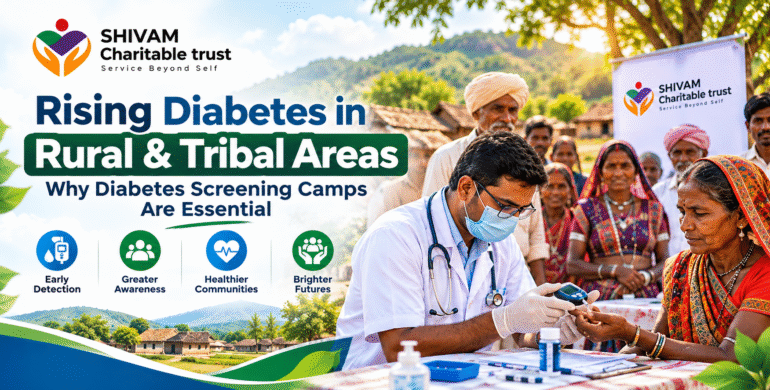
Diabetes Screening Camps have an important role in improving preventive healthcare access in rural and tribal communities. Although diabetes is often associated with urban lifestyles, it is also a significant health concern in India’s villages. Limited healthcare access, insufficient awareness, and delayed diagnosis can make managing the disease particularly challenging.
At Shivam Charitable Trust, we believe that quality healthcare awareness should reach every community, regardless of geographical location or economic background.
Through our community healthcare initiatives, we work toward spreading diabetes awareness, encouraging early detection, and supporting underserved communities.
Our mission is to bring health awareness closer to people and help build a healthier future.
1. Understanding Diabetes in Rural and Tribal India
Diabetes is a major public health challenge affecting people across India.
According to the ICMR-INDIAB study, published in 2023, the estimated prevalence of diabetes among rural Indian adults was 8.9%, compared with 16.4% among urban adults. The study collected data between 2008 and 2020.
Although prevalence varies between populations, these findings demonstrate that diabetes is not exclusively an urban problem.
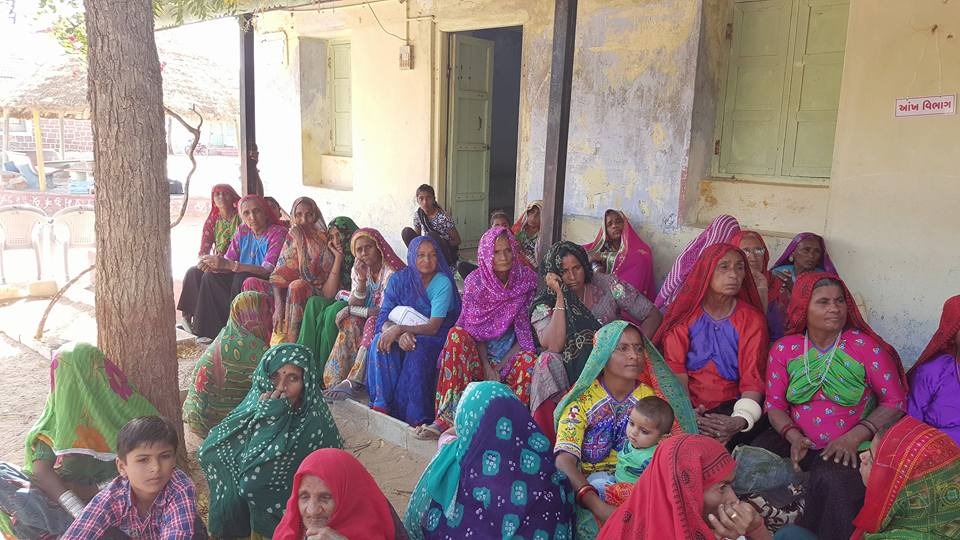
Rural and tribal communities also face unique challenges involving healthcare accessibility, education, transportation, and preventive health services.
While different tribal communities have different lifestyles and health needs, improving access to reliable health information remains important.
This is why community-based diabetes awareness initiatives deserve greater attention.
2. Healthcare Challenges in Remote Communities
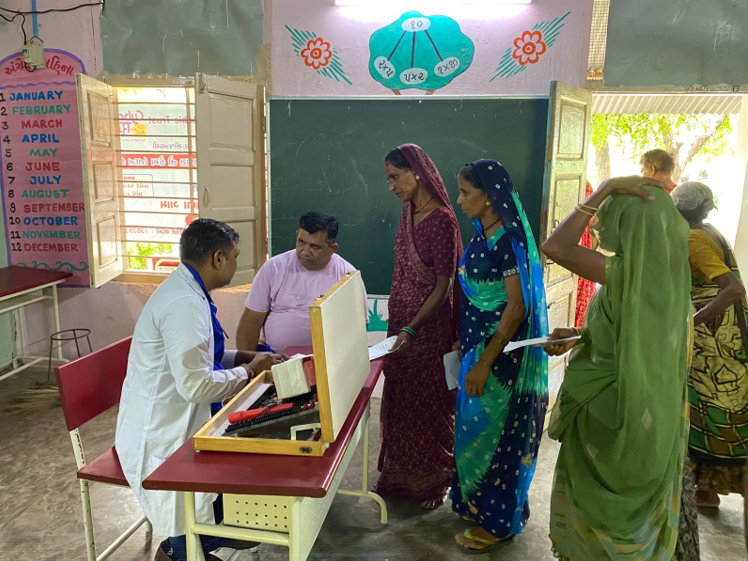
For people living in remote villages, healthcare facilities may be located far from their homes.
Travel expenses, transportation difficulties, daily-wage responsibilities, and limited medical resources can make regular health checkups difficult.
Some individuals may postpone screening because they cannot afford to miss a working day.
Others may not recognize the importance of preventive healthcare when they feel healthy.
These challenges highlight why bringing basic health services closer to communities matters.
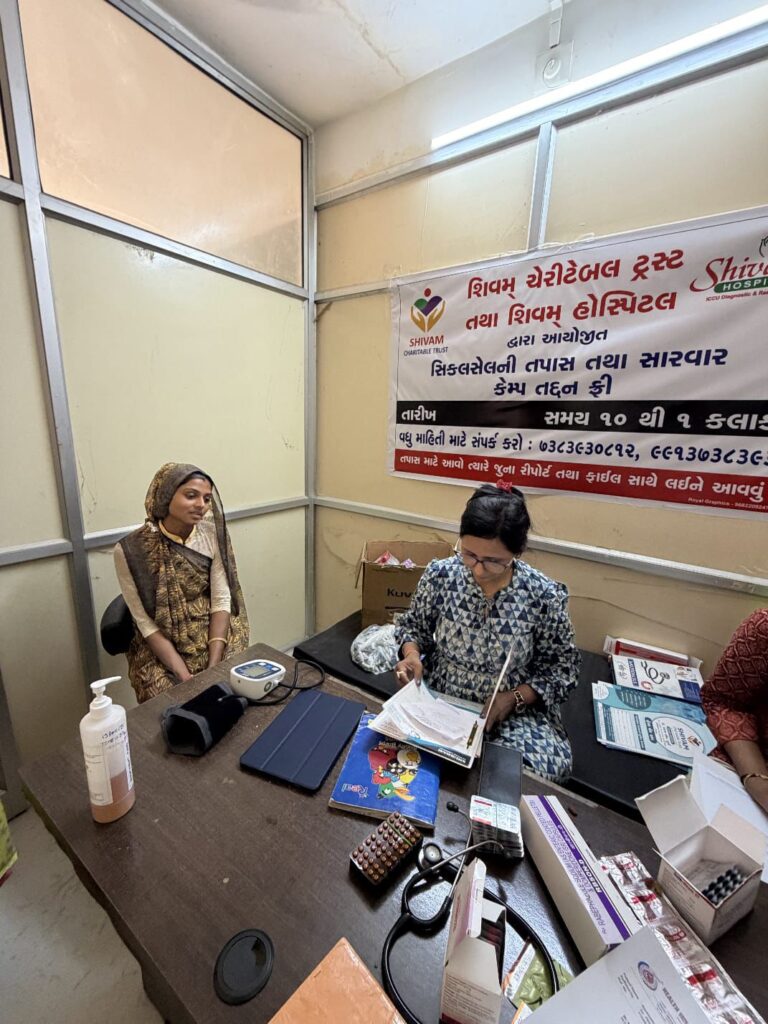
Through our Health Checkups for Underprivileged People initiative, Shivam Charitable Trust works to improve healthcare access in underserved communities.
Community outreach creates opportunities for people to receive essential health information without facing unnecessary travel barriers.
3. The Hidden Danger of Undiagnosed Diabetes
One of the biggest challenges associated with diabetes is that symptoms are not always immediately noticeable.
Some individuals may experience unusual thirst, frequent urination, unexplained weight changes, or fatigue. Others, particularly people developing type 2 diabetes, may have few obvious symptoms.
This can lead to delayed identification.
Undiagnosed and poorly managed diabetes can increase the risk of complications involving the heart, kidneys, eyes, and nerves.
The World Health Organization emphasizes the importance of early diagnosis, appropriate treatment, and regular monitoring.
Raising awareness about diabetes risk factors and encouraging appropriate screening can help people recognize when professional medical guidance may be necessary.
For rural and tribal communities, understandable health education is an important step toward improving preventive healthcare.
4. Why Diabetes Screening Camps Are Essential
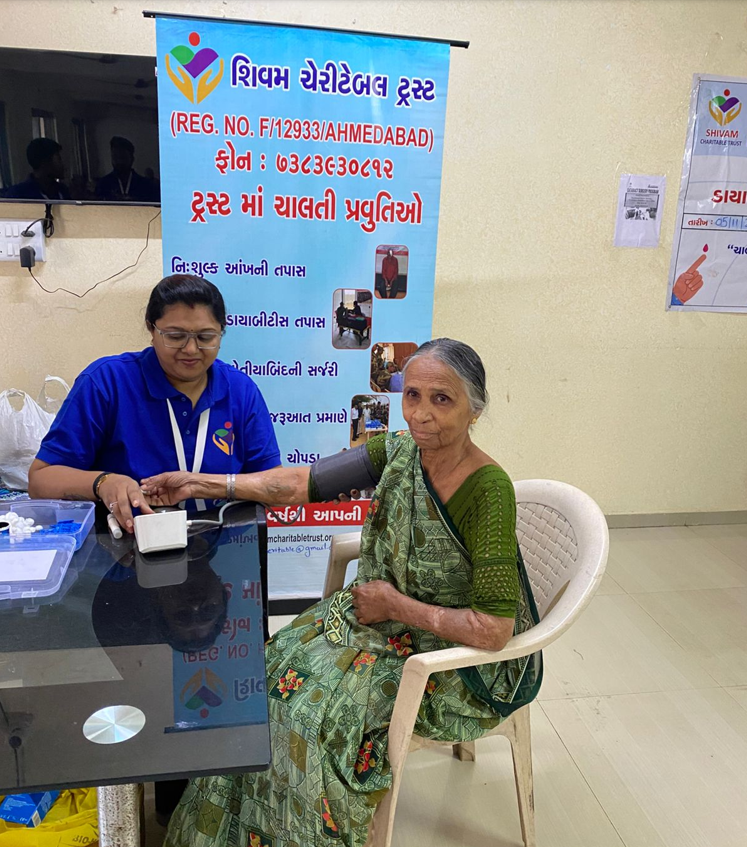
Diabetes Screening Camps can help make basic screening and healthcare awareness more accessible to communities facing geographical or financial barriers.
Rather than expecting individuals to travel considerable distances, community-based initiatives can bring screening opportunities closer to their villages.
These camps provide opportunities to identify people who may need further medical evaluation.
They can also encourage conversations about diabetes risk factors, preventive habits, and the importance of regular health monitoring.
For Shivam Charitable Trust, a screening camp represents an opportunity to connect directly with underserved communities.
However, screening alone cannot establish a diabetes diagnosis. Participants with concerning results should be guided toward appropriate confirmatory testing and qualified medical care.
The true purpose of a successful screening initiative is to encourage early identification, informed decisions, and timely follow-up.
By combining awareness with accessible screening, community organizations can help address important gaps in preventive healthcare.
5. Health Education Beyond Screening
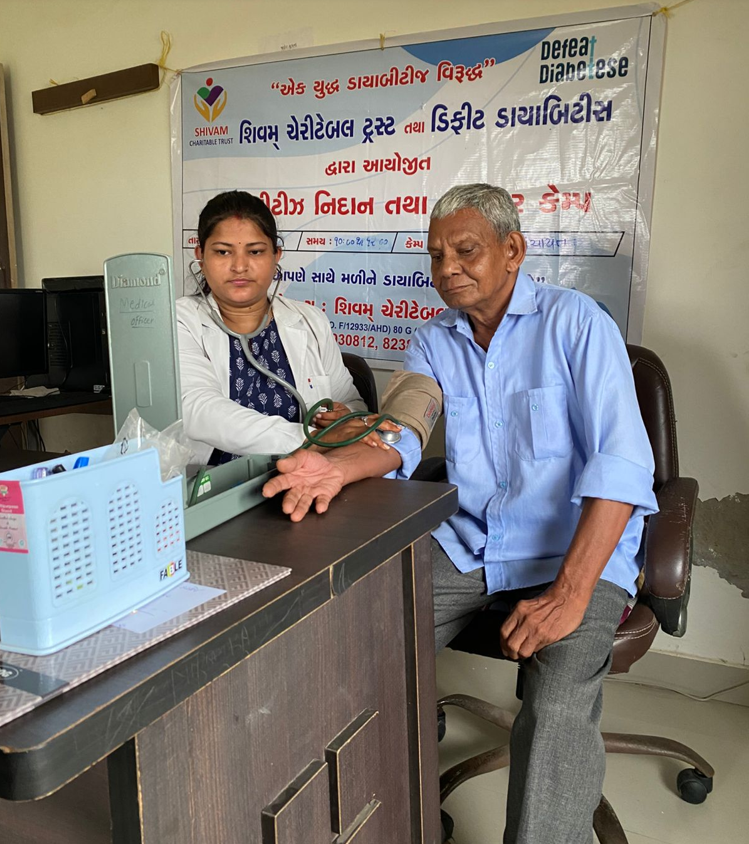
A diabetes screening camp should provide more than a blood sugar test.
Health education is equally important because people need understandable information to make informed decisions about their health.
Community awareness activities can explain the importance of balanced nutrition, appropriate physical activity, healthy lifestyle choices, and regular medical monitoring.
Educational discussions can also address common misconceptions about diabetes and explain why prescribed treatment should not be discontinued without medical advice.
Information should be communicated in simple language that participants can understand.
For tribal communities, culturally appropriate educational materials and communication in familiar local languages can improve engagement.
At Shivam Charitable Trust, our community-focused approach emphasizes health awareness as an essential part of preventive healthcare.
We believe that meaningful education can encourage positive health decisions long after a camp concludes.
6. Community Participation and Volunteer Support
Successful rural healthcare initiatives depend on strong community participation.
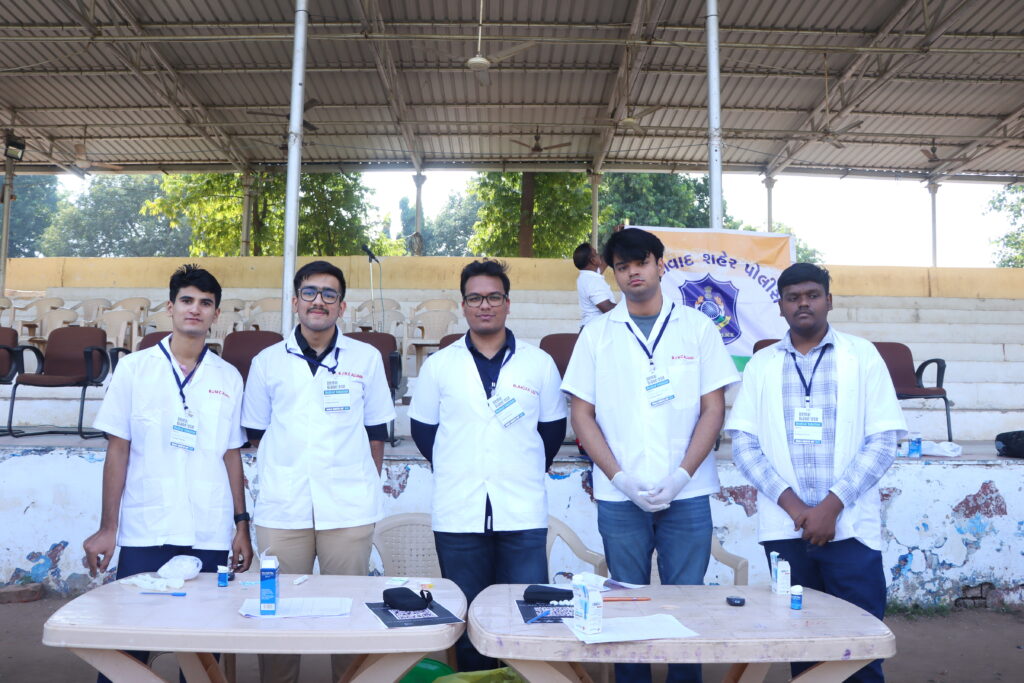
Healthcare professionals, volunteers, village leaders, local organizations, and community members can work together to improve the accessibility of screening activities.
Volunteers play a particularly important role.
They can help inform residents about upcoming camps, assist participants, explain basic information, and encourage community involvement.
Local leaders can support outreach by connecting health initiatives with people who may otherwise be difficult to reach.
Community participation also helps organizations understand local needs and challenges.
By building partnerships and encouraging volunteer involvement, NGOs can make awareness initiatives more accessible and relevant to the communities they serve.
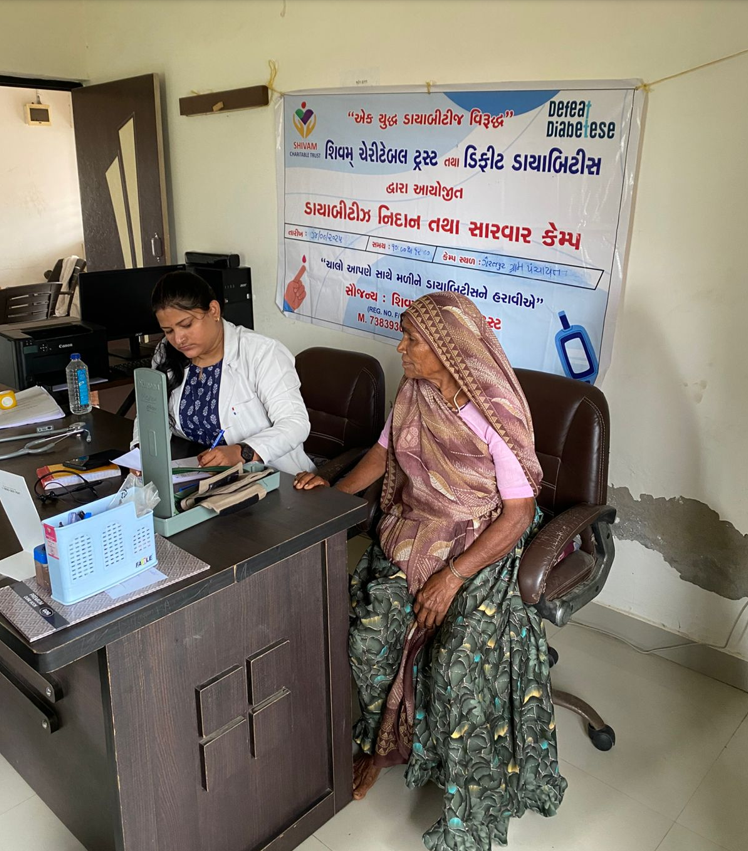
7. Shivam Charitable Trust’s Mission and Community Impact
At Shivam Charitable Trust, we believe that preventive healthcare awareness should not be limited by income or geographical boundaries.
Through our community healthcare initiatives and Defeat Diabetes project, we work toward improving health awareness and supporting underserved populations.
Our efforts reflect a commitment to taking healthcare information and screening opportunities closer to communities.
We also recognize that effective community healthcare requires continuous education, appropriate medical guidance, and local participation.
Every awareness activity offers an opportunity to encourage preventive thinking and help individuals understand the importance of protecting their health.
Our vision is to strengthen community healthcare awareness while supporting people who face barriers to essential health services.
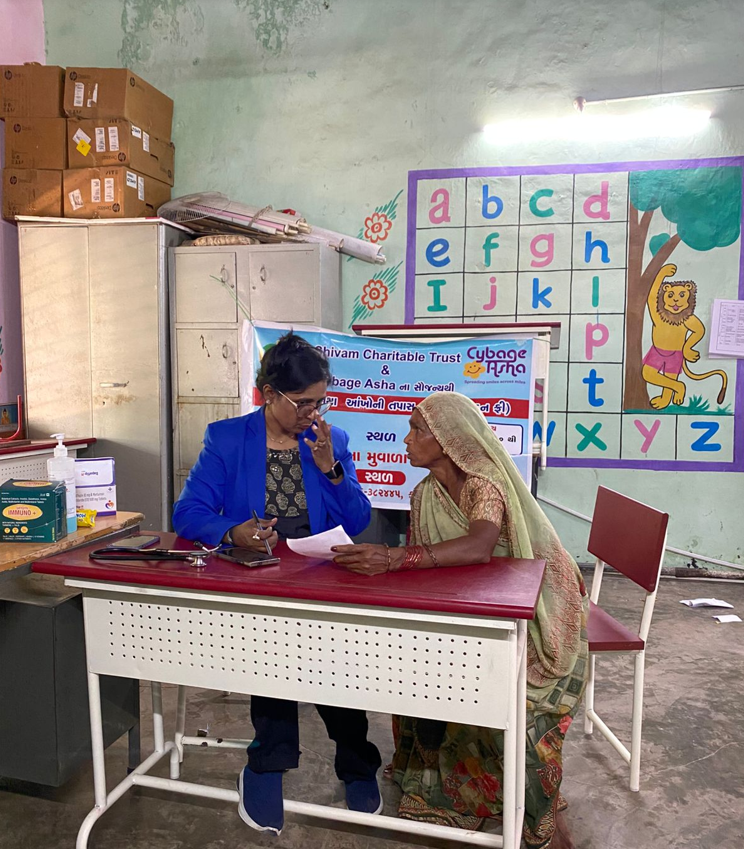
Conclusion: Building Healthier Rural and Tribal Communities
Addressing diabetes in rural and tribal areas requires more than medical treatment alone.
Awareness, accessible screening, appropriate follow-up, community participation, and continuous education all contribute to better healthcare.
At Shivam Charitable Trust, our goal is to support underserved communities through preventive health awareness and accessible outreach initiatives.
We believe that when people receive reliable information and appropriate screening opportunities, they are better equipped to make informed healthcare decisions.
By working together with healthcare professionals, volunteers, and local communities, we can encourage early detection and strengthen preventive healthcare awareness.
Together, we can move toward a future where rural and tribal communities have greater access to diabetes awareness and healthier living opportunities.
https://theshivamcharitabletrust.org/projects/
https://theshivamcharitabletrust.org/projects/health-checkups-for-underprivileged-people/
https://www.who.int/news-room/fact-sheets/detail/diabetes