
Winter is a season of warm blankets, comfortable sweaters, and cozy evenings for many people. However, for individuals and families facing financial difficulties, cold weather can bring significant challenges. While some people purchase new winter clothes every year, others struggle to afford even a basic sweater or jacket.
Winter clothing donations offer a meaningful opportunity to support those who need warmth and comfort during colder months. A sweater hanging unused in your wardrobe could become a valuable source of protection for someone else.
At Shivam Charitable Trust, the philosophy of “Service Beyond Self” encourages kindness, compassion, and responsible community participation.
Here are seven meaningful ways winter clothing donations can bring comfort and hope to people in need.

1. Providing Warmth During Cold Winter Days
Not everyone has access to adequate clothing during winter. Children, elderly individuals, homeless people, and economically disadvantaged families may face particular difficulties when temperatures drop.
Warm sweaters, jackets, shawls, socks, and blankets can help protect people from cold weather and improve everyday comfort.
For someone who spends considerable time outdoors or lives in inadequate housing, suitable winter clothing can be especially valuable.
Donating garments that are clean, comfortable, and in good condition is a practical way to support vulnerable individuals.
Even a single sweater can make cold mornings and evenings more manageable for someone in need.
What may be an extra sweater for you could be an essential item for someone else.
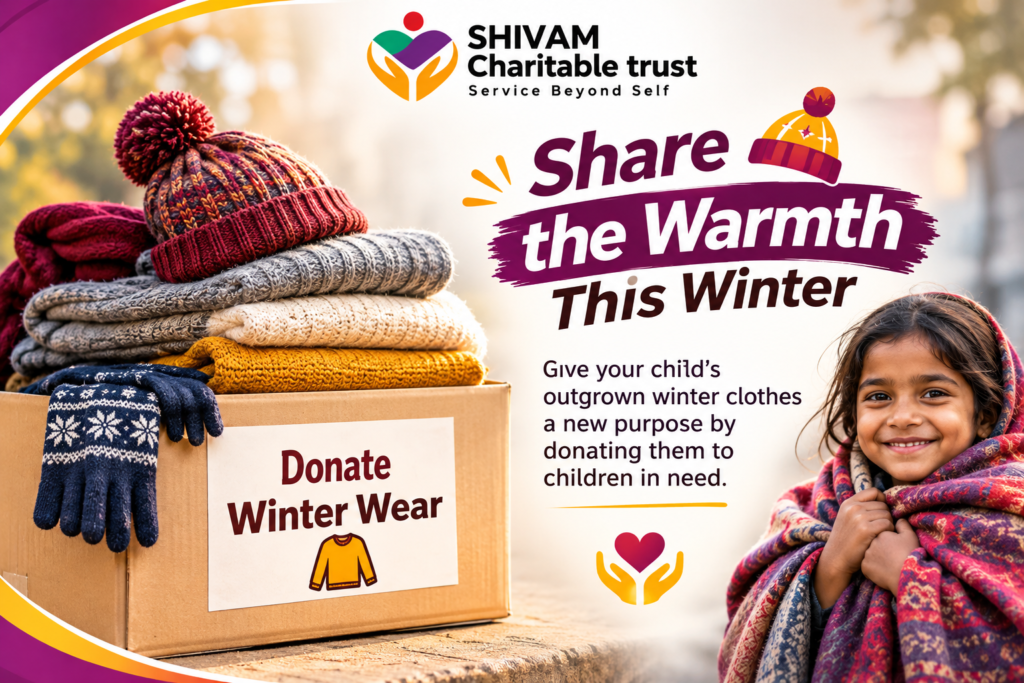
2. Helping Children Enjoy a More Comfortable Winter
Children deserve to learn, play, and grow in a comfortable environment, regardless of their family’s financial circumstances.
Unfortunately, some parents struggle to purchase suitable winter clothes for their children while managing essential household expenses.
Children without adequate warm clothing may find travelling to school and participating in outdoor activities uncomfortable during colder months.
Winter clothing donations can help address these challenges by providing sweaters, jackets, hoodies, and other seasonal essentials.
Parents whose children have outgrown last year’s winter clothes can consider donating these garments instead of keeping them unused.
Properly fitting and well-maintained clothing can support children’s comfort, confidence, and daily participation.
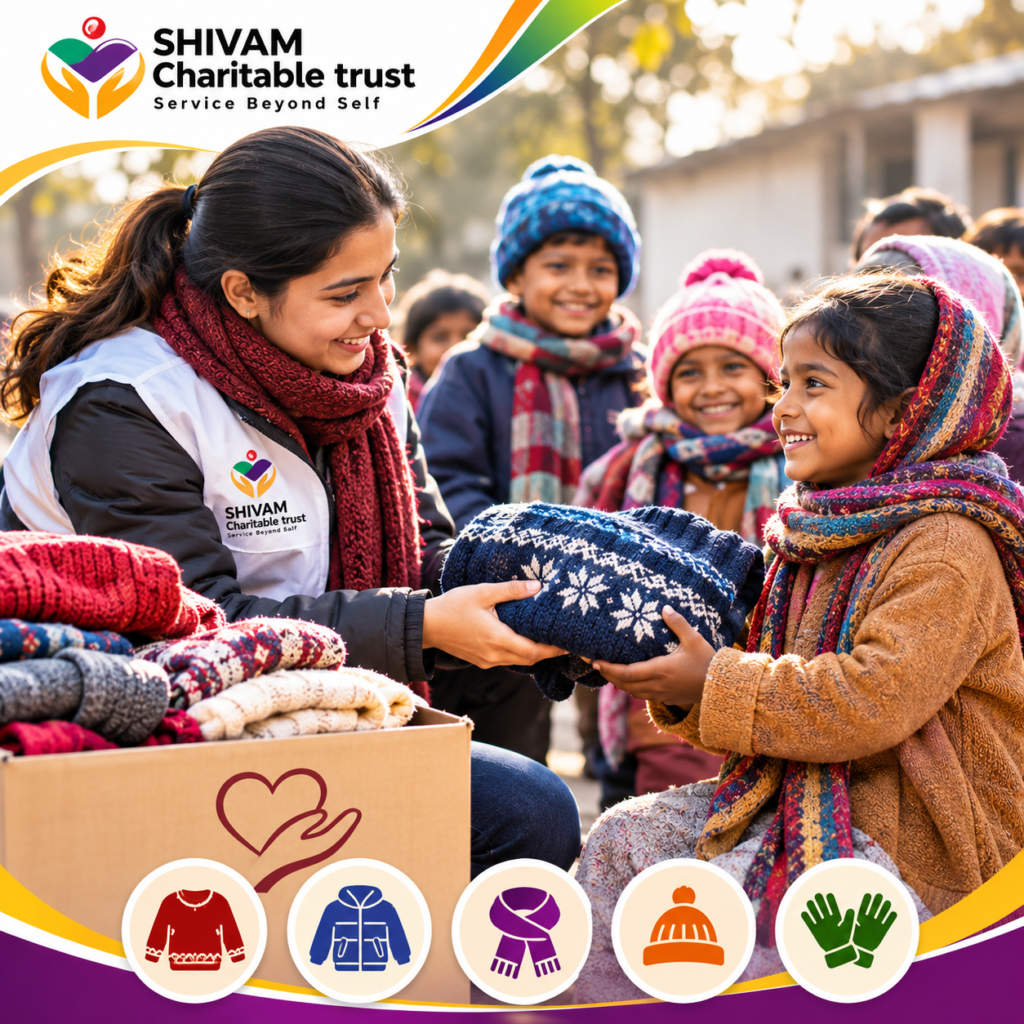
3. Supporting Elderly People During Winter
Older adults can be particularly vulnerable to cold temperatures, especially when they have underlying health conditions, limited mobility, or inadequate housing.
For elderly individuals living with financial difficulties, purchasing new winter clothing may not always be possible.
Donating warm shawls, sweaters, blankets, and comfortable winter wear can provide practical assistance.
These contributions may help older people remain more comfortable while resting, completing household activities, or travelling outside.
Clothing donations should prioritize comfort, appropriate sizing, and ease of use.
Supporting elderly individuals through thoughtful acts of generosity is also a meaningful way to express respect and compassion.
Everyone deserves warmth, care, and dignity during winter.
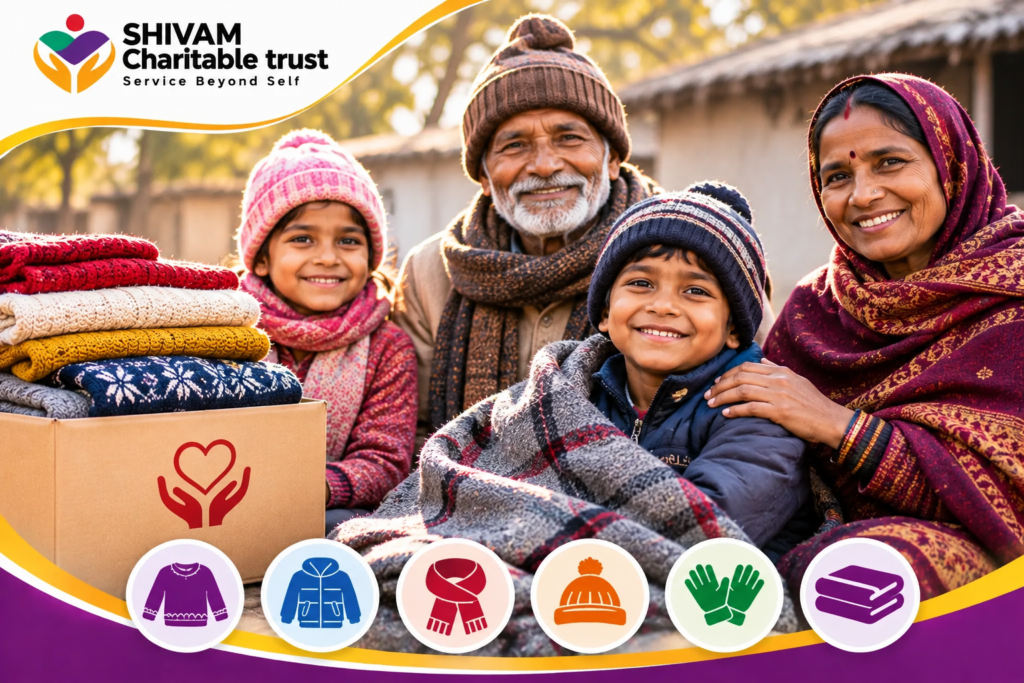
4. Reducing Financial Pressure on Families
Families with limited incomes often face difficult decisions when managing food, education, healthcare, housing, and other essential expenses.
During winter, purchasing additional clothing for several family members can create further financial pressure.
Winter clothing donations can help reduce some of these seasonal expenses.
When families receive suitable warm clothing, they may be able to allocate their limited resources toward other important necessities.
Although clothing donations cannot eliminate poverty, they can provide immediate and practical support.
A jacket, sweater, or blanket donated with care may benefit an individual while also offering some relief to their household.
Small contributions become meaningful when they respond to genuine needs.
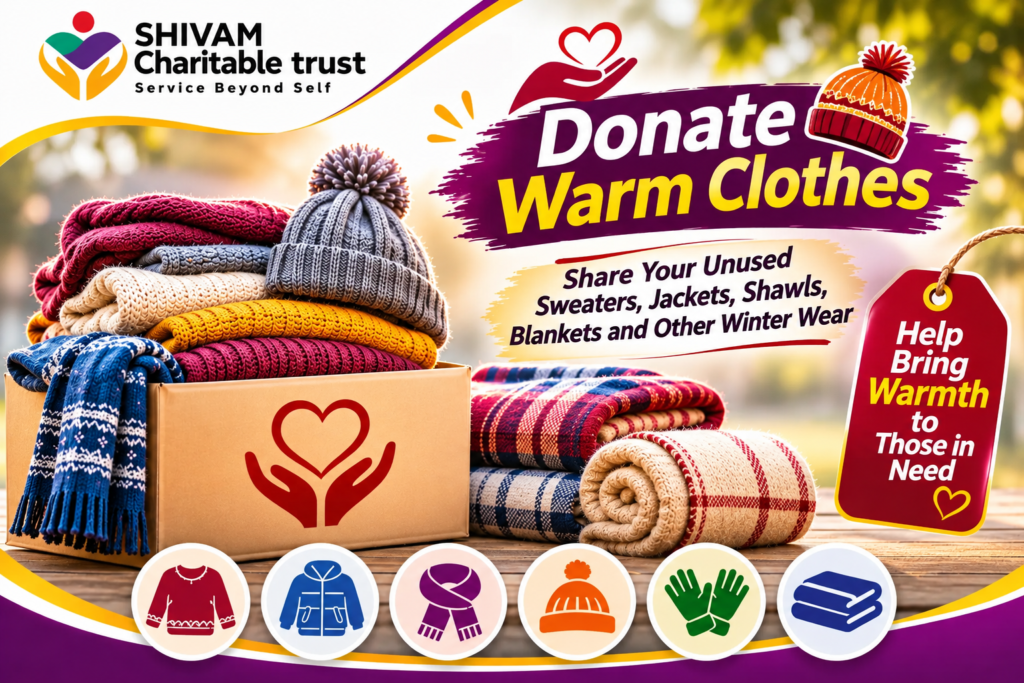
5. Giving Unused Winter Clothes a Meaningful Second Life
Many households have sweaters, jackets, and warm clothes that are no longer used.
Some garments become too small, while others remain stored because people purchase newer clothing.
Instead of allowing these items to remain unused or become unnecessary waste, families can consider donating them.
Reusing wearable clothing helps extend its useful life and encourages responsible consumption.
It can also reduce unnecessary textile waste and make better use of existing resources.
Before donating, wash the clothes, check for damage, and ensure that buttons, zippers, and other fastenings work properly.
Donate clothes that you would feel comfortable wearing yourself, not items that are unsuitable for use.
6. Bringing Hope, Confidence, and Dignity
The value of clothing donations extends beyond physical warmth.
Receiving suitable clothing can help individuals feel supported, respected, and more comfortable in their daily lives.
A child wearing a warm sweater to school or an elderly person receiving a comfortable shawl may experience practical benefits from another person’s generosity.
However, meaningful charity should always protect the dignity of recipients.
Donations should be distributed respectfully, without discrimination, embarrassment, or unnecessary publicity.
The purpose of giving is not simply to clear unused belongings but to offer something genuinely valuable.
At Shivam Charitable Trust, the message of Service Beyond Self reflects the importance of approaching social welfare with empathy and respect.
7. Inspiring Communities to Spread Kindness
Individual donations are valuable, but collective participation can extend their reach.
Residential societies, schools, offices, families, and community groups can work together to encourage responsible winter clothing donations.
Parents can involve children in selecting suitable clothes, teaching them the importance of sharing and caring for others.
Community members can coordinate with charitable organizations to understand current requirements before arranging collections.
Sorting clothing according to size, age group, and condition can also make distribution more effective.
When communities participate thoughtfully, winter clothing donations become more than individual acts of generosity.
They become opportunities to strengthen compassion, social responsibility, and community relationships.
Conclusion: Every Sweater Can Make a Difference
Winter should be a season of comfort, not hardship caused by inadequate clothing.
By donating clean and wearable sweaters, jackets, shawls, and blankets, individuals can support children, elderly people, and families facing financial difficulties.
Winter clothing donations also encourage responsible reuse, reduce unnecessary waste, and inspire communities to care for one another.
At Shivam Charitable Trust, the philosophy of “Service Beyond Self” reminds us that meaningful change often begins with simple acts of kindness.
This winter, open your wardrobe and discover what you can share.
Your unused sweater could become someone’s warmth, your old jacket could bring someone comfort, and your kindness could inspire hope.
Shivam Charitable Trust – Service Beyond Self.
Official Website: https://theshivamcharitabletrust.org/
https://theshivamcharitabletrust.org/?utm_source=chatgpt.com
https://theshivamcharitabletrust.org/projects/?utm_source=chatgpt.com