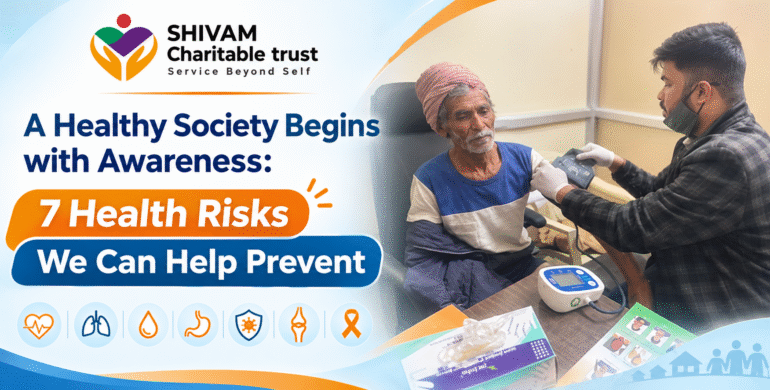
Health awareness is more than knowing the names of diseases. It means understanding everyday risks, recognizing warning signs, and seeking appropriate care before problems become serious. For underserved families, reliable information can make a difference.
At Shivam Charitable Trust, the guiding belief, “Service Beyond Self,” supports a simple message: healthier communities begin when everyone has an opportunity to learn, ask questions, and access preventive care. Here are seven health risks that awareness and practical action can help reduce.
1. High Blood Pressure
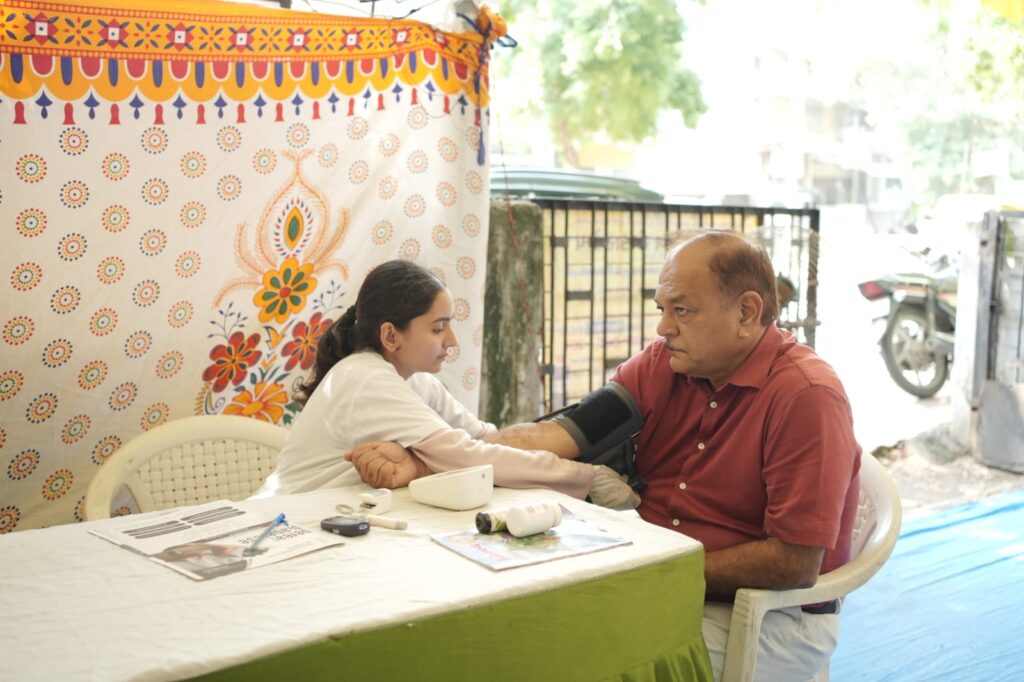
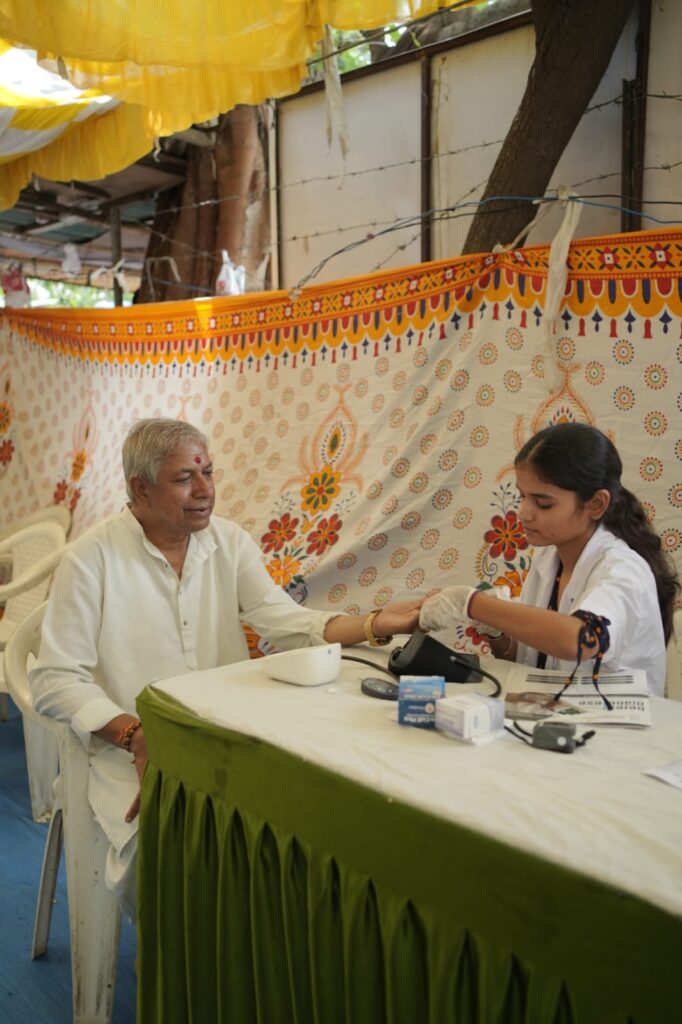
High blood pressure often causes no noticeable symptoms. Without proper management, it can increase the risk of heart disease, stroke, and kidney problems. Regular blood pressure checks help people identify concerns early. Reducing excess salt, staying active, avoiding tobacco, and following prescribed treatment are important steps. Never stop blood pressure medication without medical advice.
2. Type 2 Diabetes
Type 2 diabetes can develop gradually, sometimes without obvious symptoms. Increased thirst, frequent urination, fatigue, or unexplained weight changes deserve medical attention. A balanced diet, regular physical activity, and maintaining a healthy weight can lower risk for many people. Those with family history or other risk factors should discuss screening with a healthcare professional. Early diagnosis supports better long-term management.
3. Heart Disease
Heart disease is influenced by several factors, including smoking, high blood pressure, elevated cholesterol, diabetes, and inactivity. Knowing these risks encourages timely lifestyle changes and medical assessment. Choose nutritious foods, remain physically active, and attend recommended checkups. Chest discomfort, severe breathlessness, or sudden unexplained weakness can signal an emergency; seek urgent medical care rather than waiting for a routine appointment.
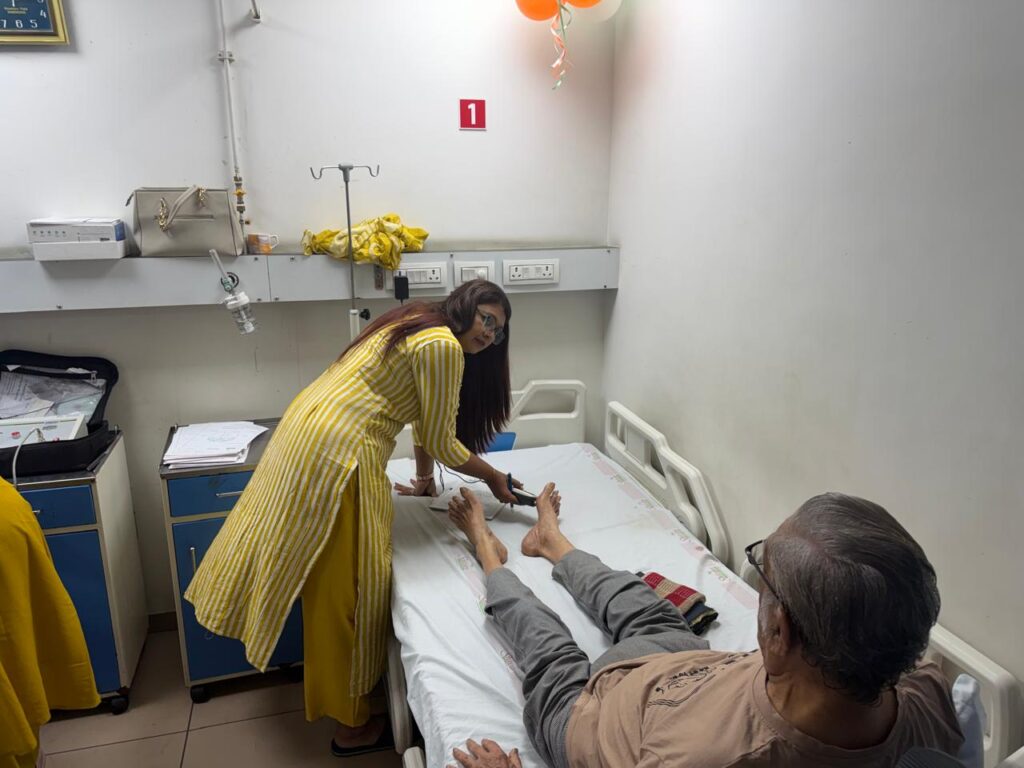
4. Tobacco-Related Illness
Smoking and smokeless tobacco increase the risk of cancer, cardiovascular disease, and other serious illnesses. Secondhand smoke also harms people nearby. Awareness programmes can explain these risks without blaming individuals who use tobacco. Quitting offers health benefits at any age, and counselling or evidence-based cessation support can make quitting easier. Keeping homes and shared spaces smoke-free protects families and communities.
5. Poor Nutrition and Physical Inactivity
Unbalanced diets and long periods of inactivity can contribute to obesity, elevated blood sugar, and cardiovascular problems. Simple, sustainable habits matter: include vegetables and fruit when available, choose whole grains, moderate salt, and move regularly. Activities should match a person’s age, abilities, and health conditions. Community education is most effective when it considers food affordability, safe spaces, and local circumstances rather than assuming everyone has equal choices.
6. Preventable Infections
Some infectious illnesses can be reduced through vaccination, clean drinking water, sanitation, food safety, and handwashing. Vaccines should follow current national recommendations and individual medical guidance. Families should also know when fever, dehydration, breathing difficulty, or persistent symptoms require professional evaluation. Community awareness can encourage timely care, reduce misinformation, and make prevention information easier to understand.
7. Delayed Diagnosis and Missed Checkups
A major health risk is ignoring symptoms or postponing medical attention because of cost, fear, distance, or uncertainty. Delays can allow manageable conditions to become more complicated. Health camps and outreach activities can introduce people to screening and trustworthy guidance. However, a screening result is not a final diagnosis; follow-up testing and clinical advice remain essential. Accessible information helps families make informed decisions sooner.
How Communities Can Make Prevention Possible
Preventive healthcare is not only an individual responsibility. Schools, neighbourhood groups, employers, volunteers, and charitable organizations can share accurate information and help people navigate available services. Discussions in familiar languages, respectful communication, and practical guidance often work better than frightening messages.
Shivam Charitable Trust encourages community welfare through its commitment to service. The wider goal of health awareness is not to promise that every disease can be prevented. It is to help people understand modifiable risks, recognize problems early, and access appropriate support.
Frequently Asked Questions
Why is health awareness important? It helps people identify risks, adopt healthier habits, and seek care promptly.
Can all seven health risks be completely prevented? No. Awareness and prevention can lower many risks, but genetics, environment, and other factors also matter.
Are health camps a substitute for doctors? No. Camps may support education and screening, but diagnosis and treatment require qualified healthcare professionals.
Conclusion
A healthy society begins with informed choices and fair access to care. By sharing reliable knowledge, encouraging checkups, and treating every person with dignity, communities can make prevention more practical. Shivam Charitable Trust remains guided by one enduring principle: Service Beyond Self.
https://theshivamcharitabletrust.org/?utm_source=chatgpt.com
https://theshivamcharitabletrust.org/projects/?utm_source=chatgpt.com