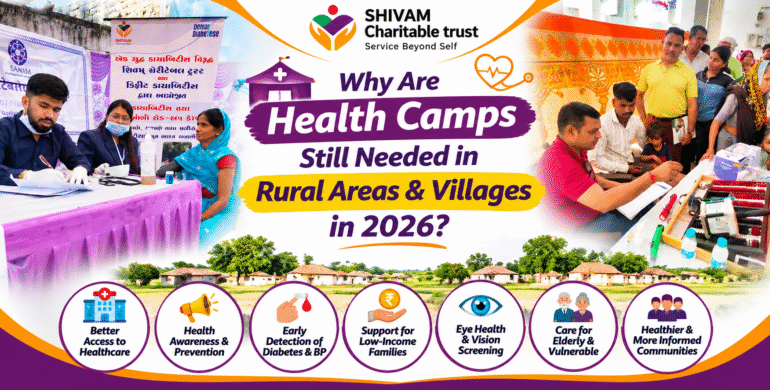
Healthcare has improved significantly over the years, but many rural communities in India still face challenges in accessing timely medical services. Even in 2026, people living in villages may experience difficulties related to healthcare accessibility, medical awareness, transportation, and preventive health services.
This raises an important question: Why are health camps in rural areas still necessary in 2026?
Health camps help connect underserved communities with basic medical screenings, health education, and professional guidance. They encourage people to take preventive healthcare seriously and seek timely treatment when needed.
At Shivam Charitable Trust, the mission of “Service Beyond Self” reflects a commitment to supporting community well-being through meaningful social initiatives, including free health checkup camps.
Here are seven important reasons why rural health camps continue to matter.
1. Limited Access to Healthcare Facilities
One of the biggest challenges facing rural communities is limited access to convenient healthcare facilities.
Some villages are located far from hospitals, diagnostic centres, or specialist clinics. Travelling for medical consultations can require additional time, transportation expenses, and missed working hours.
For elderly individuals and people with mobility difficulties, these barriers may be especially challenging.
Free health camps in rural areas can bring basic screening services and healthcare guidance closer to residents.
Although temporary camps cannot replace hospitals or primary healthcare centres, they can help identify individuals who need further medical attention.
Improving access to basic healthcare remains essential for healthier villages.
2. Lack of Awareness About Preventive Healthcare
Many health conditions develop gradually without causing noticeable symptoms during their early stages.
High blood pressure, type 2 diabetes, and certain eye conditions may remain undetected until complications develop.
People who feel healthy may not always recognize the importance of routine medical checkups.
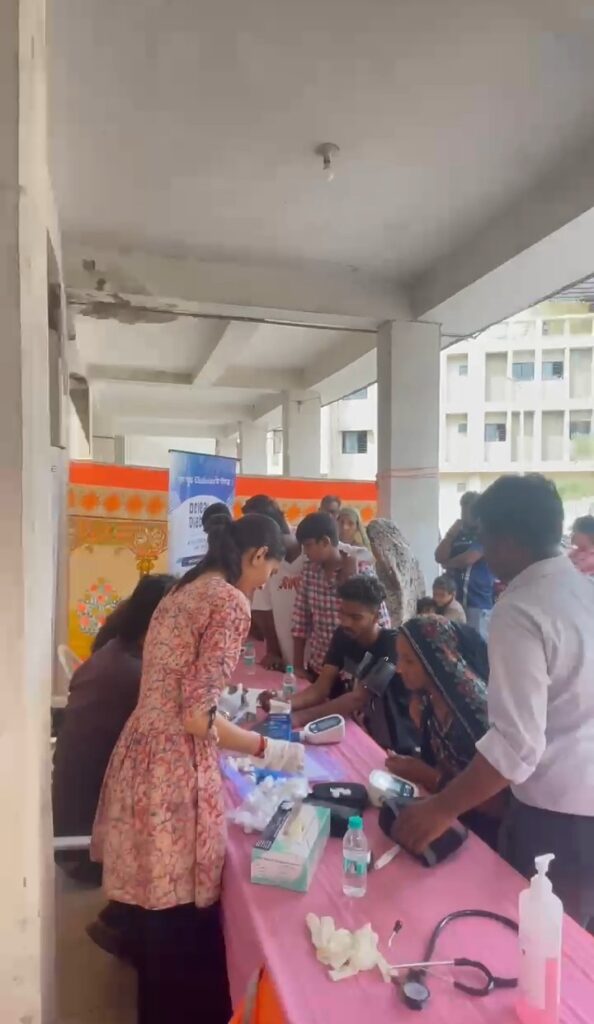
Rural health camps provide opportunities to educate communities about preventive healthcare, common warning signs, and healthy lifestyle practices.
Through health awareness initiatives, organizations such as Shivam Charitable Trust can encourage individuals to become more proactive about their well-being.
Awareness is often the first step toward prevention.
3. Early Detection of Diabetes and High Blood Pressure
Diabetes and hypertension are important public health concerns affecting both urban and rural populations.
These conditions can increase the risk of serious complications when they remain undiagnosed or poorly managed.
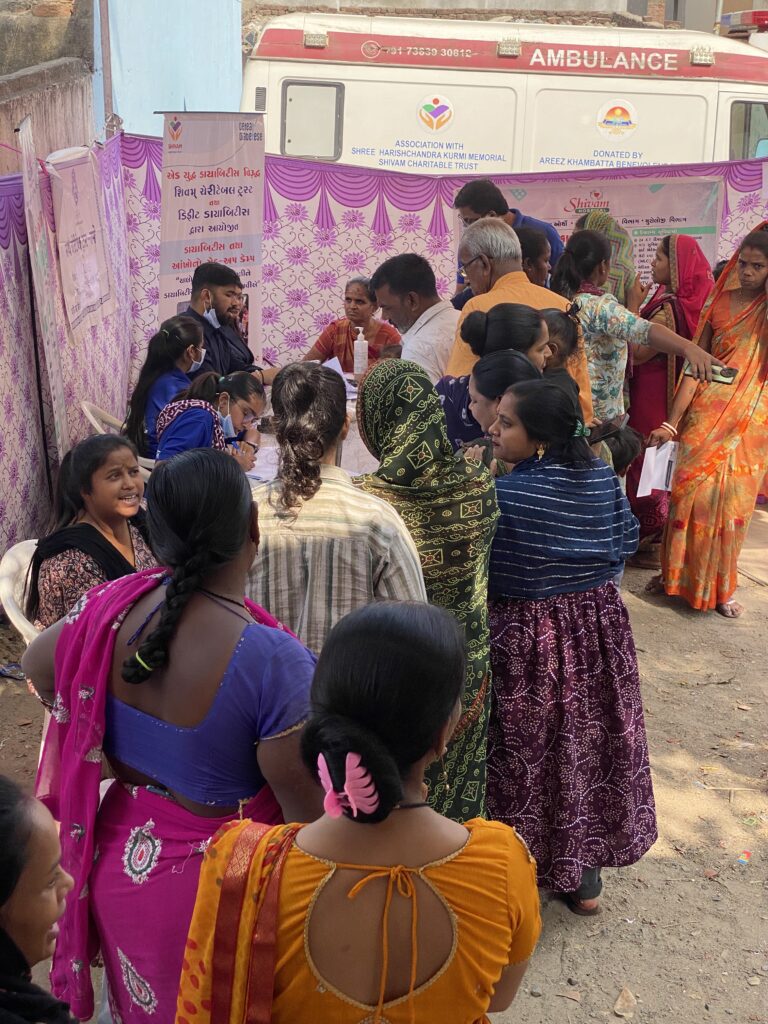
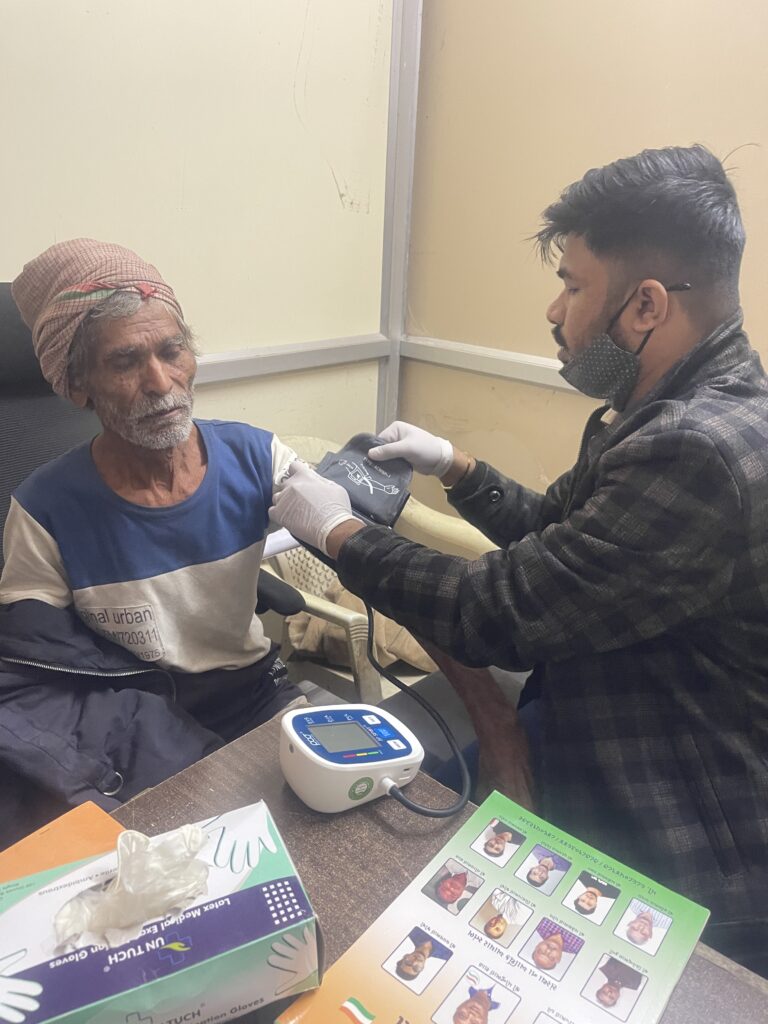
Basic screening activities, such as blood pressure measurement and appropriate blood glucose testing, may help identify people who require further evaluation.
Health camps can also provide guidance on the importance of regular monitoring, balanced nutrition, physical activity, and medical follow-up.
However, screening results alone may not establish a diagnosis.
Individuals with abnormal findings should be encouraged to consult qualified healthcare professionals for confirmation and appropriate treatment.
Early identification can support better long-term health management.
4. Financial Challenges and Healthcare Expenses
Healthcare expenses can create significant difficulties for families with limited financial resources.
Even when government healthcare services are available, transportation, lost wages, and other indirect costs may discourage people from seeking timely care.
Some individuals postpone routine checkups because they prioritize daily household needs.
Free community health camps can reduce certain immediate barriers by offering accessible basic screenings and health guidance.
These initiatives are particularly valuable when they connect participants with affordable follow-up services.
Shivam Charitable Trust’s commitment to community welfare highlights the importance of making essential health information and screening opportunities more accessible.
5. Eye Health Awareness and Vision Screening
Good vision is essential for everyday activities, education, employment, and independent living.
However, people living in rural communities may delay eye examinations because of limited awareness or difficulties accessing eye care services.
Vision problems can affect schoolchildren, working adults, and elderly individuals.
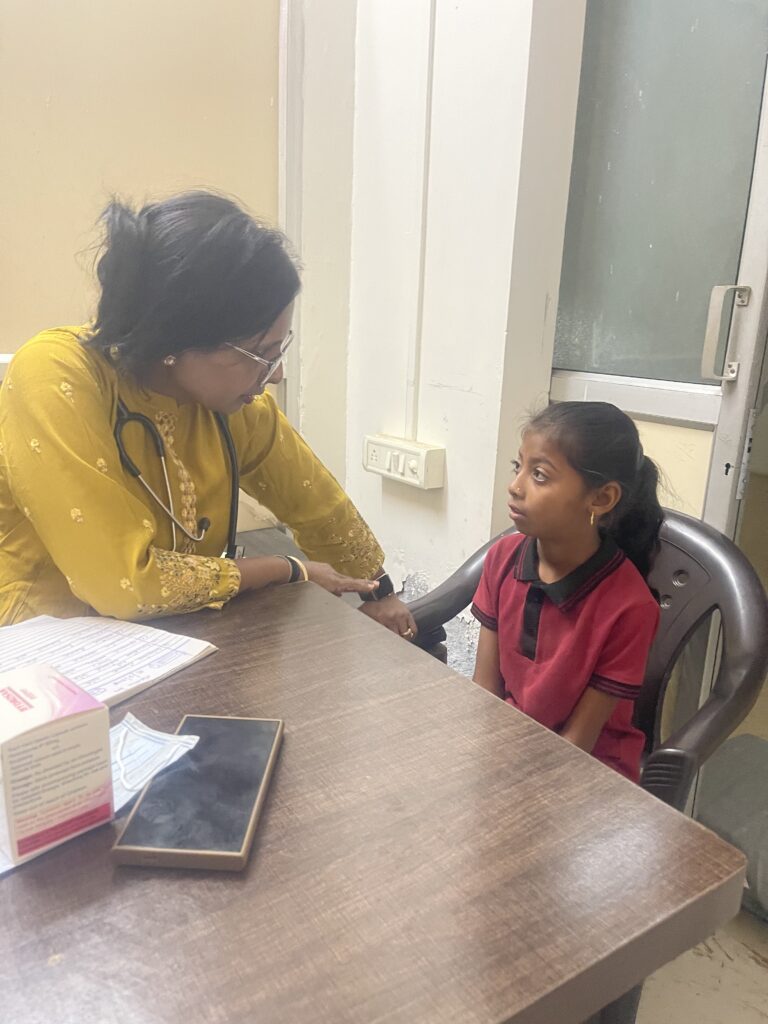
Community eye checkup camps can help identify possible vision concerns and encourage participants to seek professional eye examinations.
Shivam Charitable Trust’s healthcare initiatives include a focus on health awareness and eye checkup activities.
By promoting timely eye care, such programmes can help communities understand the importance of protecting their vision.
6. Supporting Elderly and Vulnerable Residents
Older adults may face additional healthcare challenges, including chronic illnesses, reduced mobility, and difficulties travelling to medical facilities.
People with disabilities and families facing economic hardship may experience similar barriers.
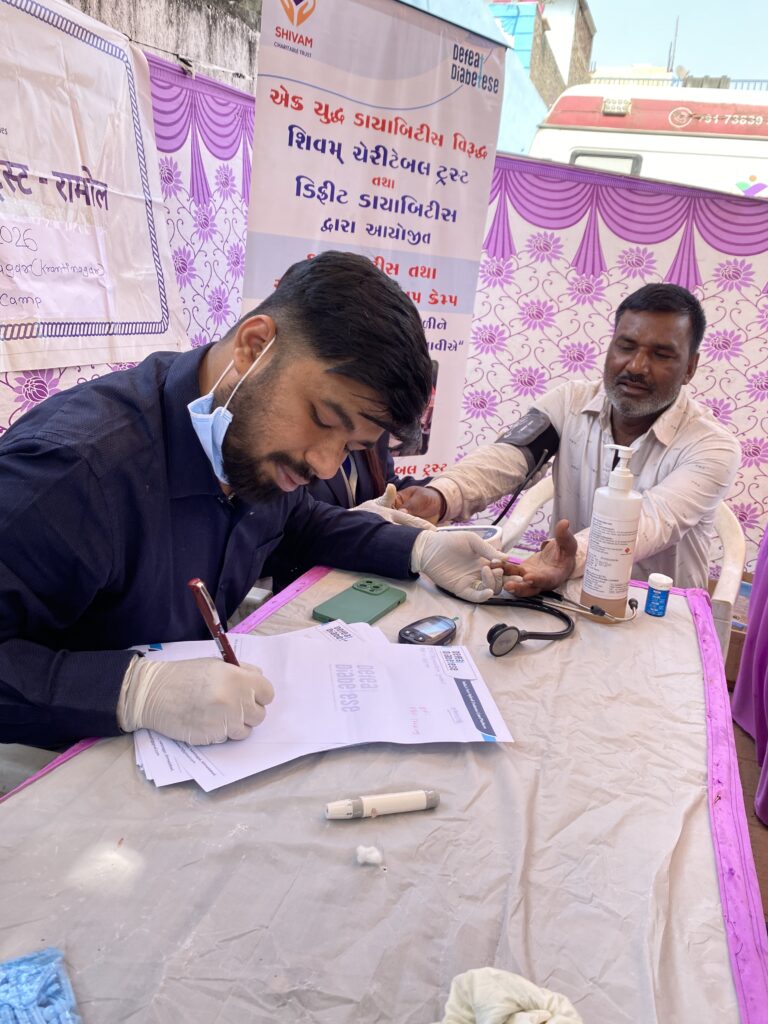
Village health camps can provide convenient opportunities for basic assessments and medical guidance.
They can also help caregivers understand why regular monitoring and professional follow-up are important.
Organizers should prioritize accessibility, privacy, and respectful treatment so that vulnerable participants can receive appropriate support.
Accessible healthcare should consider the needs of every generation.
7. Building Healthier and More Informed Communities
The value of rural health camps extends beyond individual checkups.
Well-organized camps can create opportunities for conversations about nutrition, hygiene, physical activity, chronic disease management, and preventive healthcare.
When community members receive useful health information, they may share that knowledge with their families and neighbours.
Local participation can also strengthen trust between healthcare professionals, volunteers, and residents.
For lasting benefits, health camps should encourage appropriate referrals, follow-up care, and continued use of existing healthcare services.
Through its social welfare efforts, Shivam Charitable Trust promotes the belief that stronger communities begin with greater awareness and collective responsibility.
Conclusion: Rural Health Camps Still Matter in 2026
Despite improvements in medical technology and healthcare infrastructure, barriers to timely healthcare remain a reality for some rural communities.
Health camps in rural areas continue to play an important supporting role by improving access to basic screenings, encouraging preventive care, and promoting health awareness.
From diabetes and blood pressure screening to eye health education and support for elderly residents, these initiatives can address practical community needs.
At Shivam Charitable Trust, the guiding principle of “Service Beyond Self” inspires efforts to make a positive difference through accessible community health initiatives.
A healthier future requires more than advanced hospitals. It also requires awareness, early action, reliable follow-up, and healthcare opportunities that reach underserved communities.
Shivam Charitable Trust – Service Beyond Self.
Website: https://theshivamcharitabletrust.org/
https://theshivamcharitabletrust.org/?utm_source=chatgpt.com
https://theshivamcharitabletrust.org/projects/?utm_source=chatgpt.com