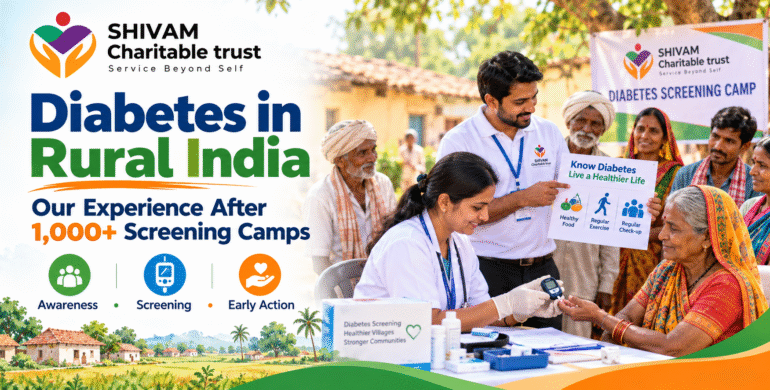
Diabetes in Rural India is an important public health concern that deserves greater attention. While healthcare discussions often focus on cities, people living in rural communities can face significant challenges in accessing regular diabetes screening, reliable health information, and continuous medical guidance.
At Shivam Charitable Trust, our mission is to bring health awareness closer to underserved communities. Our experience of conducting more than 1,000 diabetes screening camps provides the foundation for reflecting on the importance of rural outreach, preventive healthcare, and community participation.
Through this article, we share our perspective on rural diabetes awareness, the barriers communities face, and how screening initiatives can help create a healthier future.
Diabetes in Rural India: Understanding the Situation
Diabetes is no longer exclusively an urban health concern. Rural communities across India are also affected, making awareness and accessible screening increasingly important.
The 2023 ICMR-INDIAB study estimated diabetes prevalence at 8.9% among rural adults and 16.4% among urban adults. These estimates came from data collected between 2008 and 2020 and demonstrate that rural diabetes deserves attention.
However, national statistics cannot tell us everything about the daily challenges faced by individual communities.
Through community outreach, Shivam Charitable Trust aims to reduce the distance between rural families and essential preventive health information.
1. Lack of Diabetes Awareness in Villages
One important challenge in rural healthcare is limited awareness of diabetes and its potential complications.
People may associate diabetes only with excessive sugar consumption or assume that the disease always produces noticeable symptoms. Such misconceptions can discourage timely screening.
In reality, type 2 diabetes may develop gradually, sometimes without obvious warning signs.
Health awareness campaigns can help communities understand diabetes risk factors, recognize possible symptoms, and learn why appropriate screening matters.
Our approach emphasizes explaining health information in simple language so that people can understand its relevance to everyday life.
2. Why People Delay Diabetes Screening
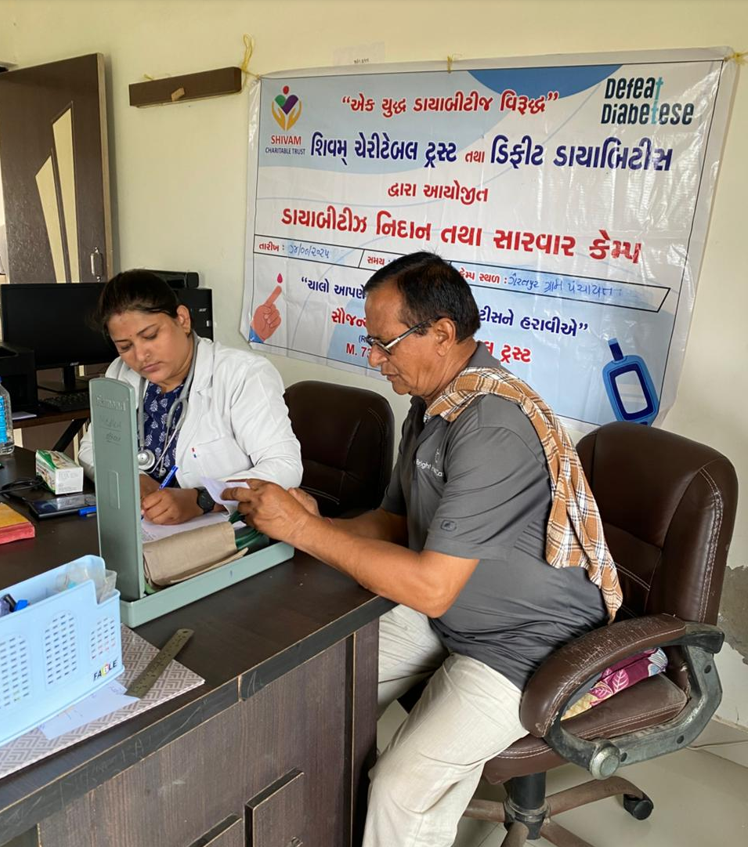
For many rural families, preventive healthcare competes with everyday responsibilities.
Agricultural work, daily wages, household duties, transportation expenses, and limited access to healthcare facilities can make routine screening difficult.
When someone feels healthy, undergoing a blood sugar test may not seem urgent.
These barriers show why community healthcare requires more than simply recommending regular checkups.
Organizations must also consider affordability, accessibility, local participation, and the practical challenges people face.
For Shivam Charitable Trust, bringing screening opportunities closer to communities is an important part of addressing these challenges.
3. The Importance of Early Detection
Diabetes can develop without noticeable symptoms, which makes appropriate screening particularly valuable.
Early identification can help people obtain medical guidance and begin recommended care before preventable complications develop.
According to the World Health Organization, early diagnosis, healthy lifestyle choices, appropriate treatment, and regular monitoring play important roles in managing diabetes.
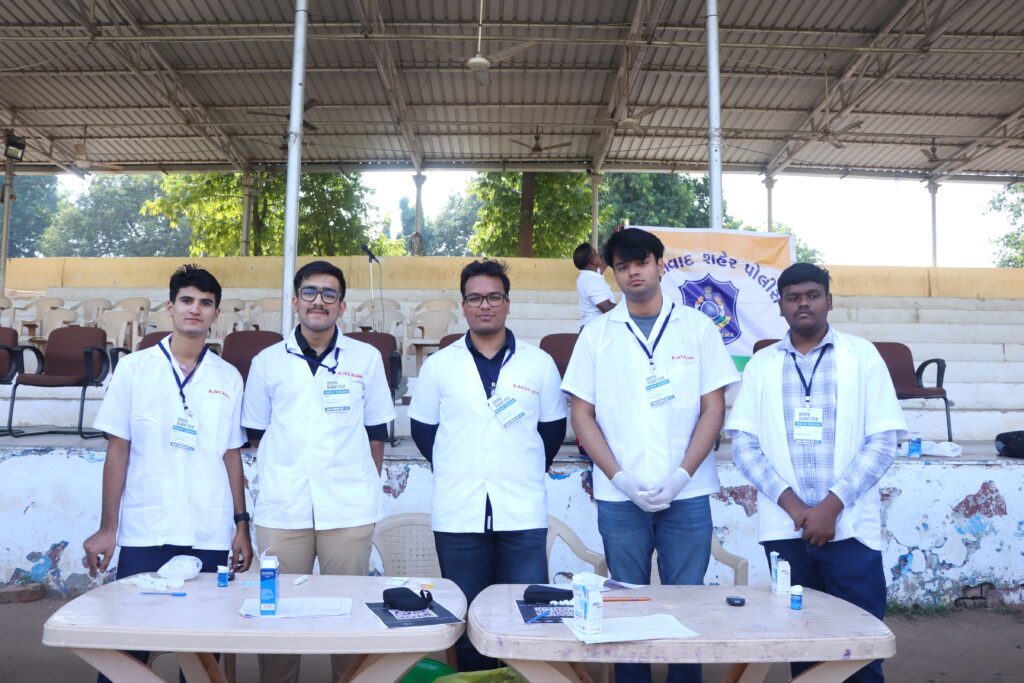
For people attending community camps, a basic blood sugar screening can provide useful preliminary information.
However, a screening result alone does not confirm diabetes. Participants with concerning results should receive guidance about appropriate diagnostic testing and professional medical consultation.
Our objective is to encourage timely action rather than create fear about the disease.
4. Bringing Diabetes Screening to Rural Communities
One of the most important purposes of our community outreach is to improve access to preventive healthcare information.
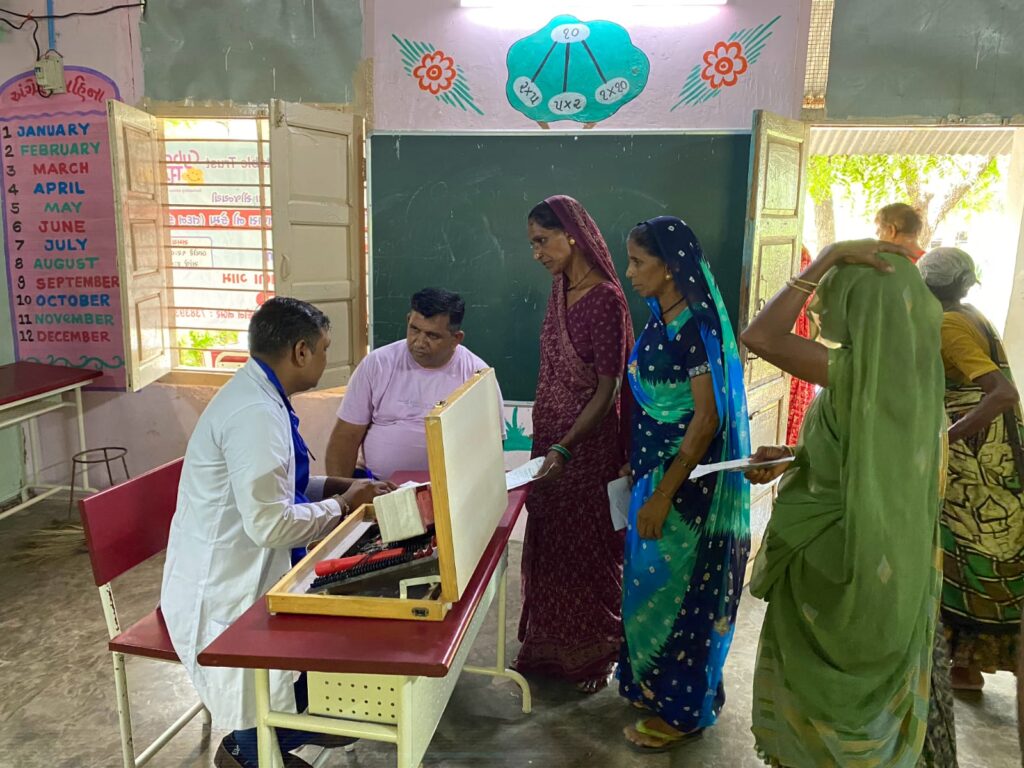
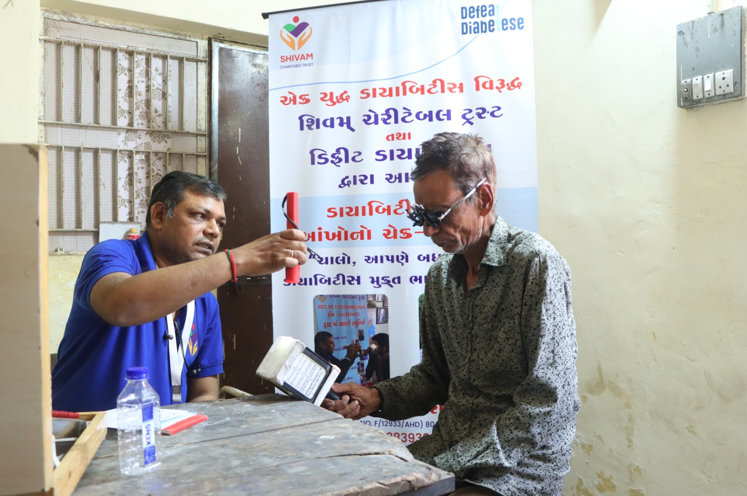
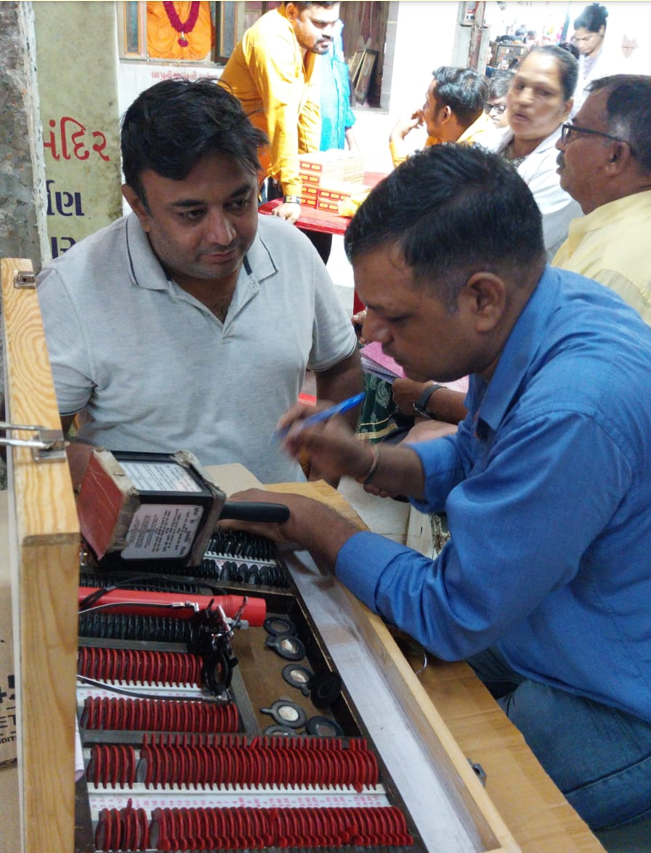
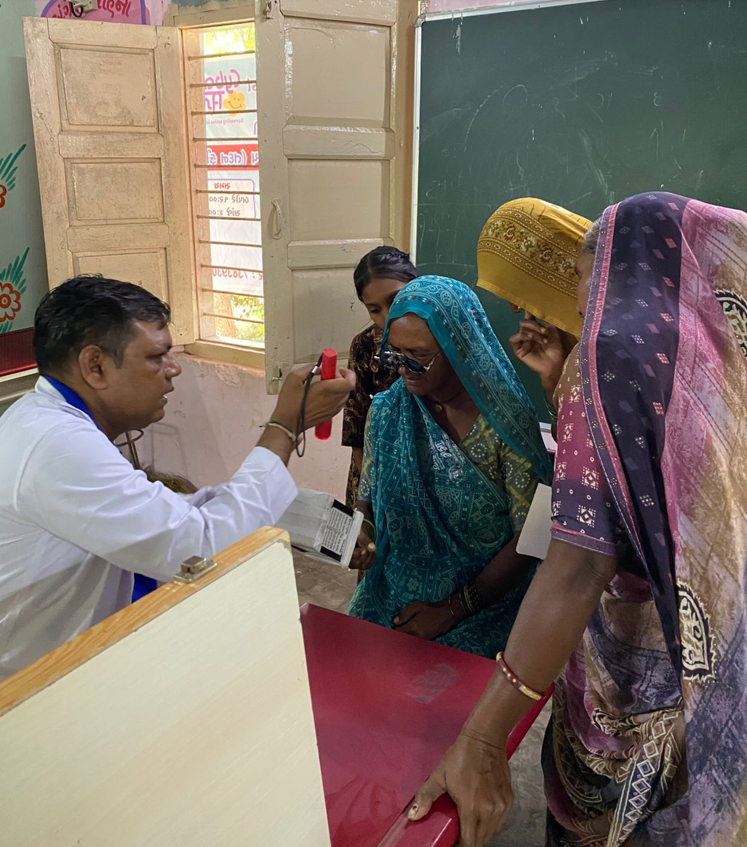
Instead of expecting every individual to travel to a healthcare facility for basic awareness, community screening camps create opportunities for people to engage with healthcare professionals closer to home.
Through our health checkup initiatives, Shivam Charitable Trust works to make essential health services and awareness more accessible to underserved populations.
Diabetes screening camps also provide opportunities to discuss healthy living, common risk factors, and the importance of appropriate follow-up.
Our experience reinforces the value of making health awareness accessible and understandable, particularly where routine healthcare access may be limited.
5. Why Awareness Must Continue Beyond Screening
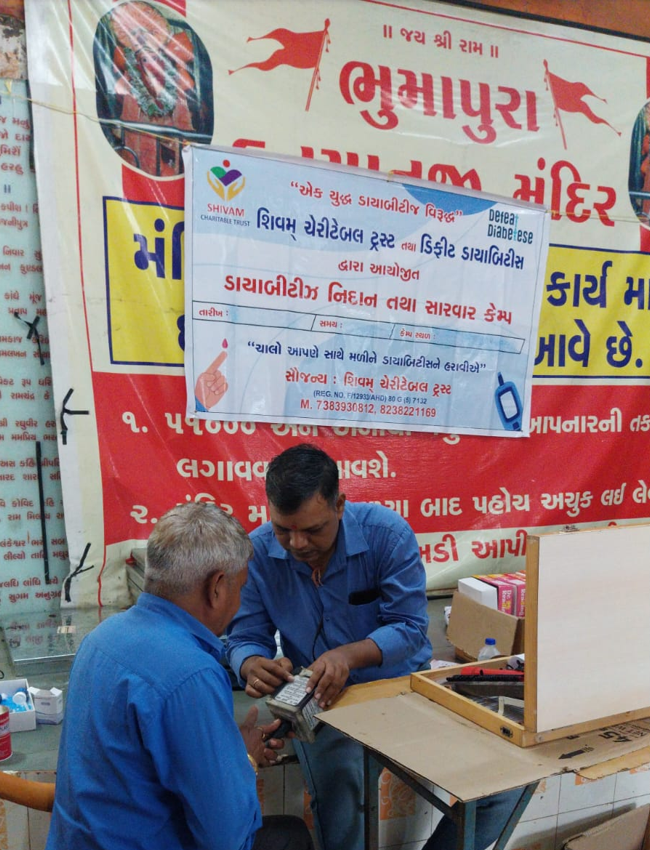
Conducting a screening camp is an important step, but lasting health improvement requires continuous awareness.
After screening, participants need to understand what their results mean and whether additional medical evaluation is necessary.
Educational discussions can also encourage balanced nutrition, appropriate physical activity, regular monitoring, and adherence to prescribed treatment.
Community organizations can reinforce these messages through accessible information and continued engagement.
Importantly, diabetes management requires individualized medical care. Community awareness should encourage people to follow professional advice rather than replace it.
For us, the purpose of a screening initiative extends beyond testing: it includes helping people understand why their health deserves continued attention.

6. The Role of Volunteers and Community Participation
Successful community health initiatives depend on cooperation.
Volunteers, healthcare professionals, village leaders, and local organizations can help make health awareness programs more accessible.
Local participation can improve communication, encourage attendance, and create an environment where people feel comfortable discussing their health concerns.
Volunteers can also help explain basic information in familiar languages and encourage participants to share reliable health messages with their families.
Our experience highlights an essential principle of NGO work: community healthcare becomes more meaningful when local people actively participate.
Together, communities and charitable organizations can strengthen awareness and encourage preventive healthcare practices.
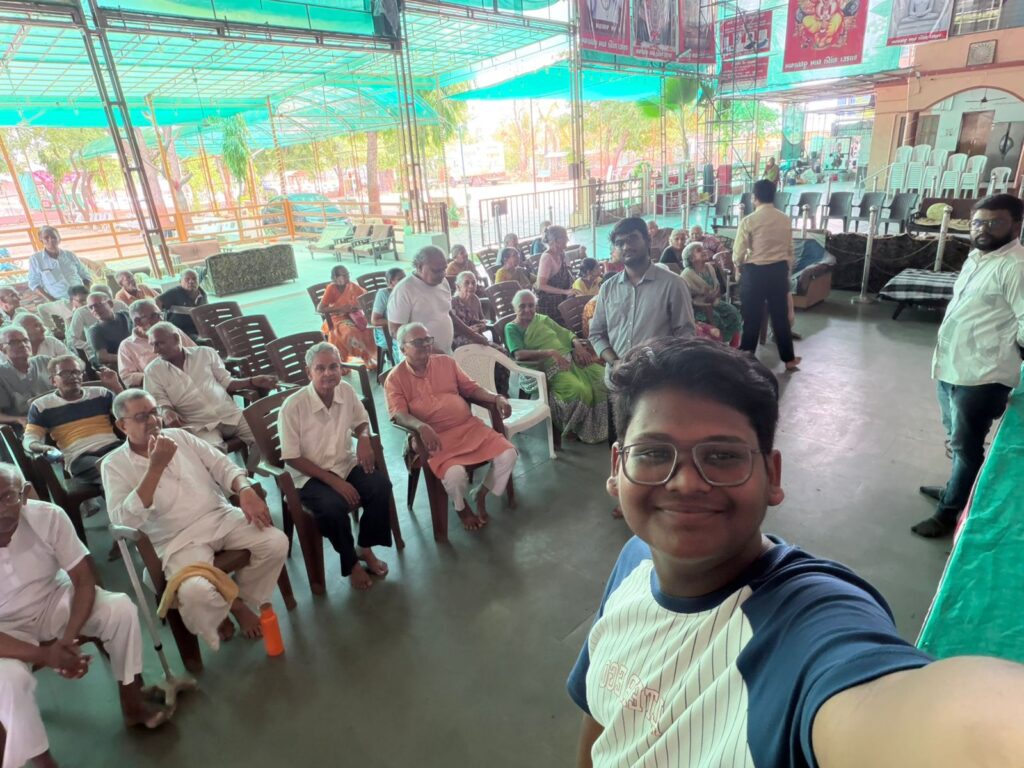
7. Our Vision for a Diabetes-Aware Rural India
Our experience with diabetes screening initiatives emphasizes the need for accessible screening, understandable information, and appropriate medical follow-up.
Through our community health projects, Shivam Charitable Trust remains committed to improving health awareness and supporting underserved communities.
Our vision is a future where people living in rural areas understand the importance of preventive healthcare and can seek professional guidance without unnecessary delays.
Achieving this requires continued awareness, community partnerships, volunteers, and sustained public participation.
Every screening opportunity and educational conversation can contribute to that larger mission.
Conclusion: Building Healthier Rural Communities Together
Diabetes awareness cannot depend on a single campaign or screening activity. It requires consistent efforts to improve knowledge, encourage early detection, and address barriers to healthcare access.
At Shivam Charitable Trust, our commitment is to support healthier rural communities through awareness, compassion, and community participation.
Our experience reinforces one important message: when preventive healthcare information reaches people where they live, it creates opportunities for informed decisions and timely action.
Together, we can build a future where rural communities are better informed, better supported, and empowered to take charge of their health.
https://theshivamcharitabletrust.org/projects/health-checkups-for-underprivileged-people/
https://theshivamcharitabletrust.org/projects/health-checkups-for-underprivileged-people
https://theshivamcharitabletrust.org/projects/
https://www.who.int/news-room/fact-sheets/detail/diabetes