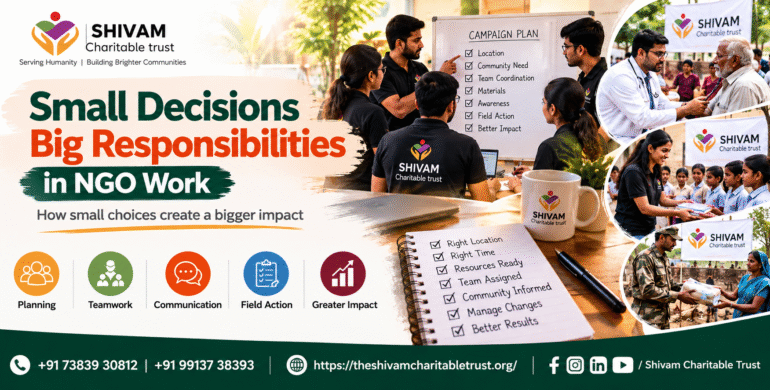
Small Decisions in NGO Work can have a much bigger effect than they appear to have. In social work, every activity involves multiple small choices — selecting a location, deciding a suitable time, coordinating a team, arranging resources, communicating with people and responding to unexpected changes.
A successful NGO activity is rarely the result of one big decision. It is usually built through many small decisions made before and during the work.
For an NGO working directly with communities, these decisions can influence how smoothly an activity is conducted and how effectively people are reached. WHO also emphasizes meaningful community engagement and the involvement of people and stakeholders in planning and implementation.
1. Understanding the Real Need
One of the first Small Decisions in NGO Work is deciding what problem actually needs attention.
Before starting a project, an NGO can speak with local people, understand their concerns and observe the situation on the ground.
A project should not be based only on assumptions.
Understanding the actual need helps an NGO plan an activity that is relevant to the people it intends to support. WHO guidance highlights community participation in identifying needs, planning actions and monitoring implementation.
2. Choosing the Right Location
Location may look like a simple logistical decision, but it can directly affect participation.
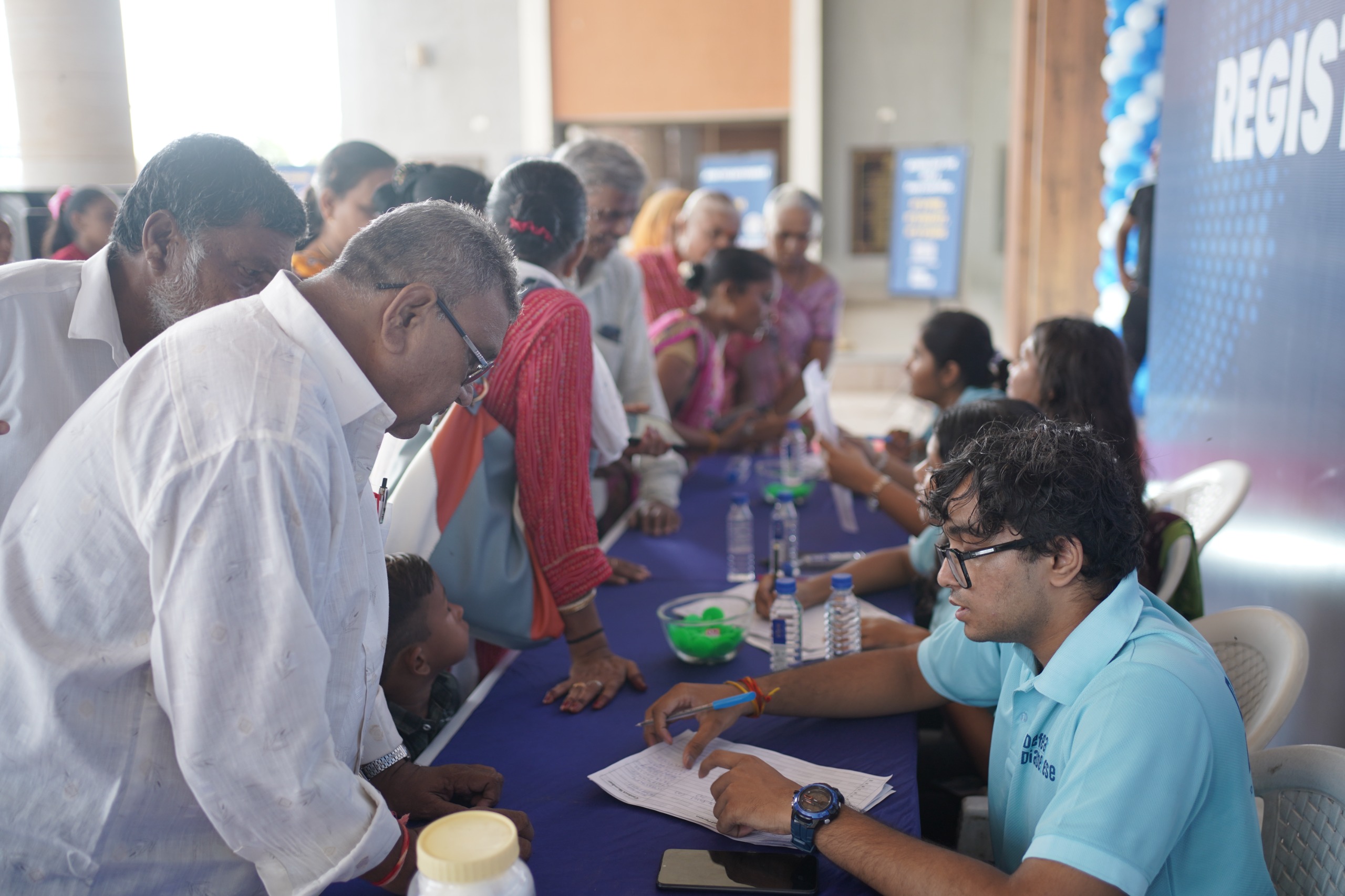
For example, an NGO organizing a health awareness activity needs to consider accessibility, available space, local convenience and the expected number of participants.
A location that is difficult to reach may reduce participation even when the activity itself is well planned.
This is why Small Decisions in NGO Work often begin with understanding where people are and how easily they can access the activity.
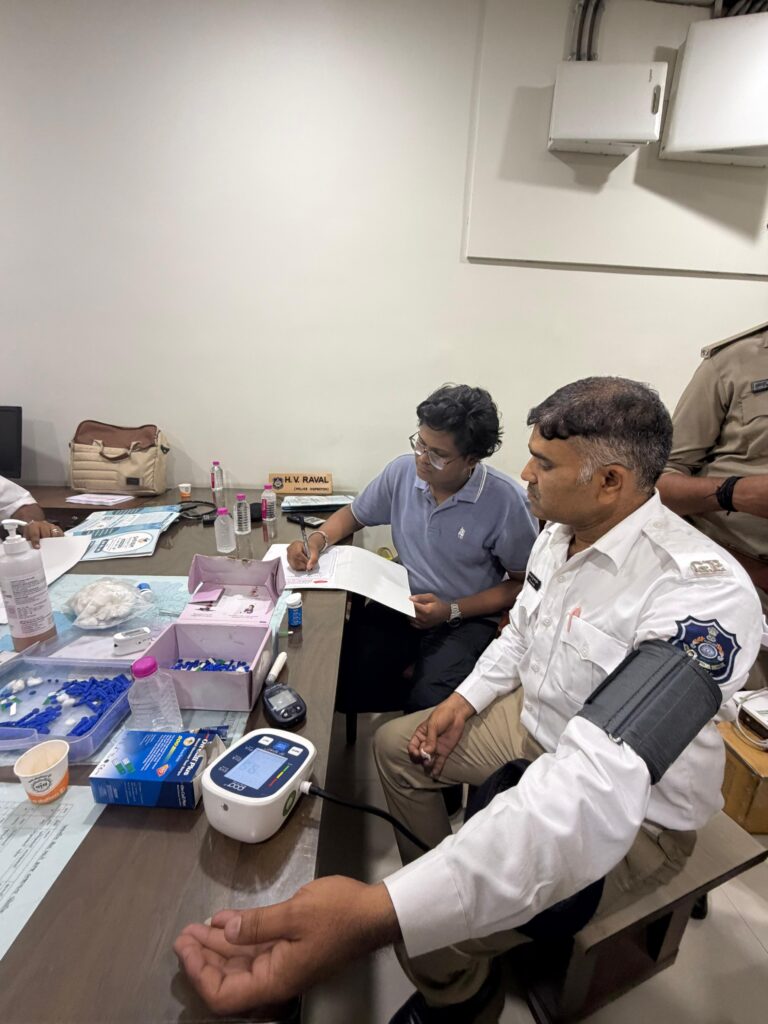
3. Selecting the Right Time
The right activity at the wrong time may not achieve the expected response.
NGOs therefore need to consider working hours, school schedules, local routines, weather conditions and other practical factors while deciding the timing of an activity.
This may appear to be a small planning detail, but it can influence attendance and coordination.
Good NGO planning is often about thinking through these practical details before field work begins.
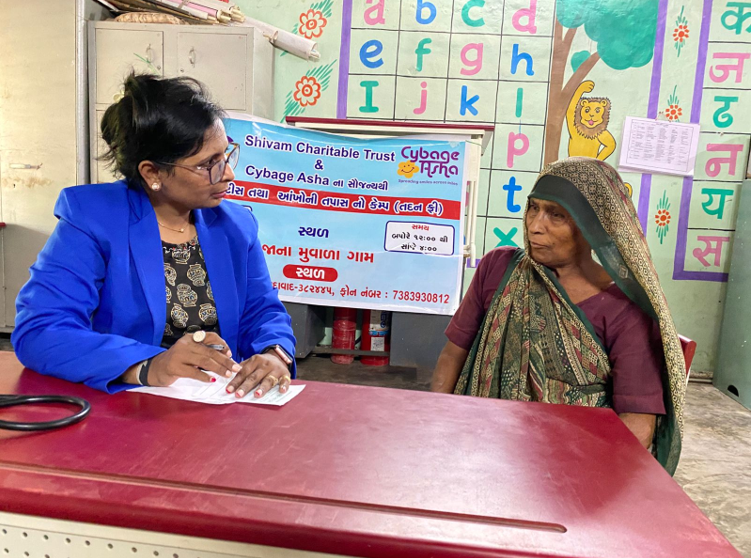
4. Preparing Resources in Advance
Another important part of Small Decisions in NGO Work is resource preparation.
Depending on the project, an NGO may need:
- Registration materials
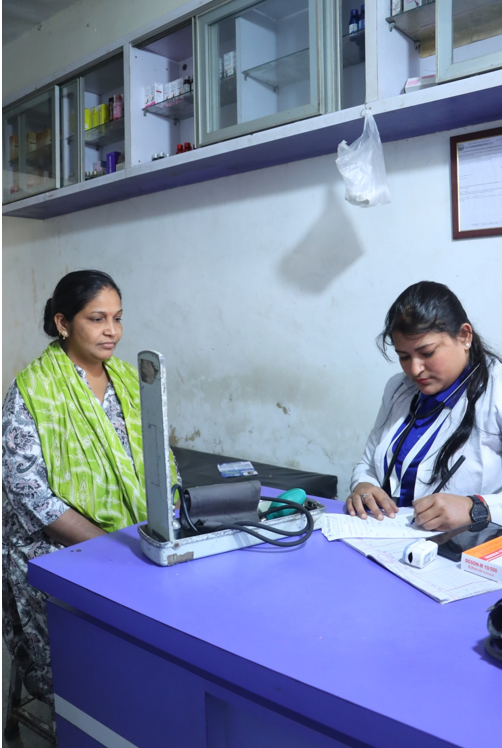
- Medical equipment
- Educational materials
- Stationery
- Information leaflets
- Volunteer support
- Transportation
- Documentation equipment
Preparing these resources in advance can reduce confusion during the activity.
A simple checklist can sometimes prevent several last-minute problems.
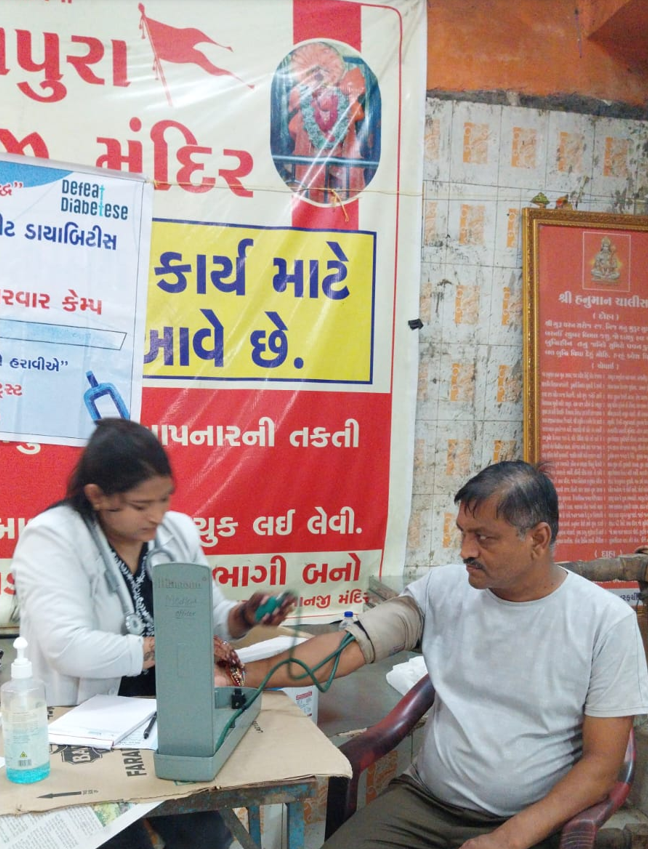
5. Building the Right Team
An NGO project is rarely handled by one person.
Doctors, volunteers, coordinators, administrative staff, photographers, community representatives and other team members may have different responsibilities depending on the activity.
Assigning responsibilities clearly helps people understand what they need to do.
This is another example of how Small Decisions in NGO Work can support smoother execution.
The United Nations also recognizes partnerships involving civil society, businesses, governments and other stakeholders as important to sustainable development efforts.
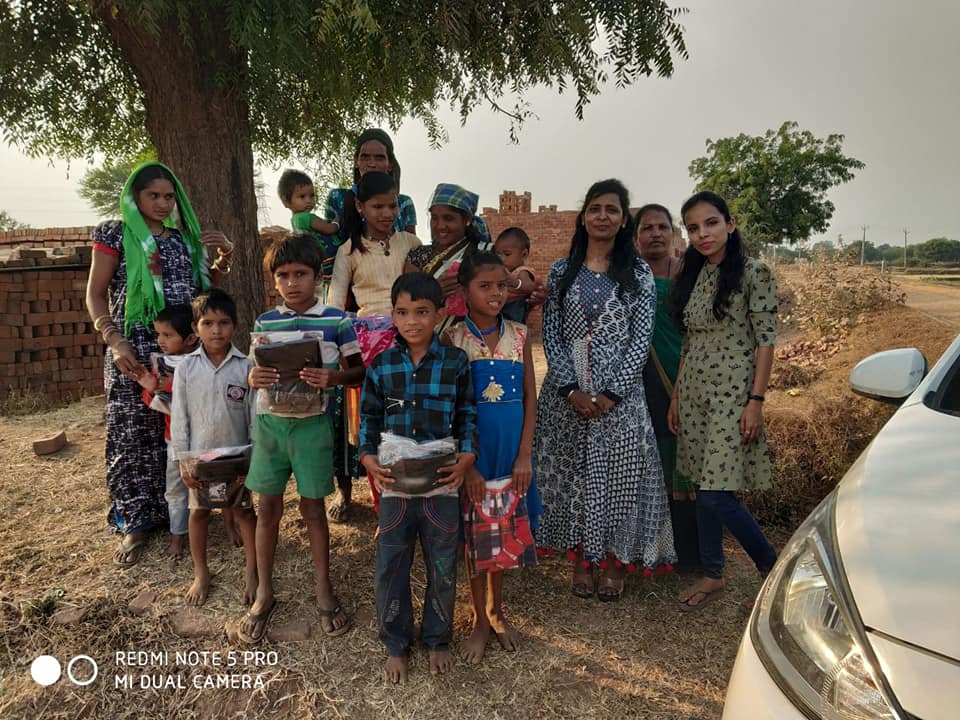
6. Keeping Communication Clear
Communication is one of the simplest and most important parts of field work.
The community should receive clear information about the activity, including the location, timing, purpose and any requirements.
Internal communication is equally important.
Team members should know their responsibilities and understand any changes before the activity begins.
Clear communication can reduce misunderstandings and help the team focus on the people they are supporting.
WHO describes community engagement as relationship-building that enables stakeholders to work together around shared health goals.
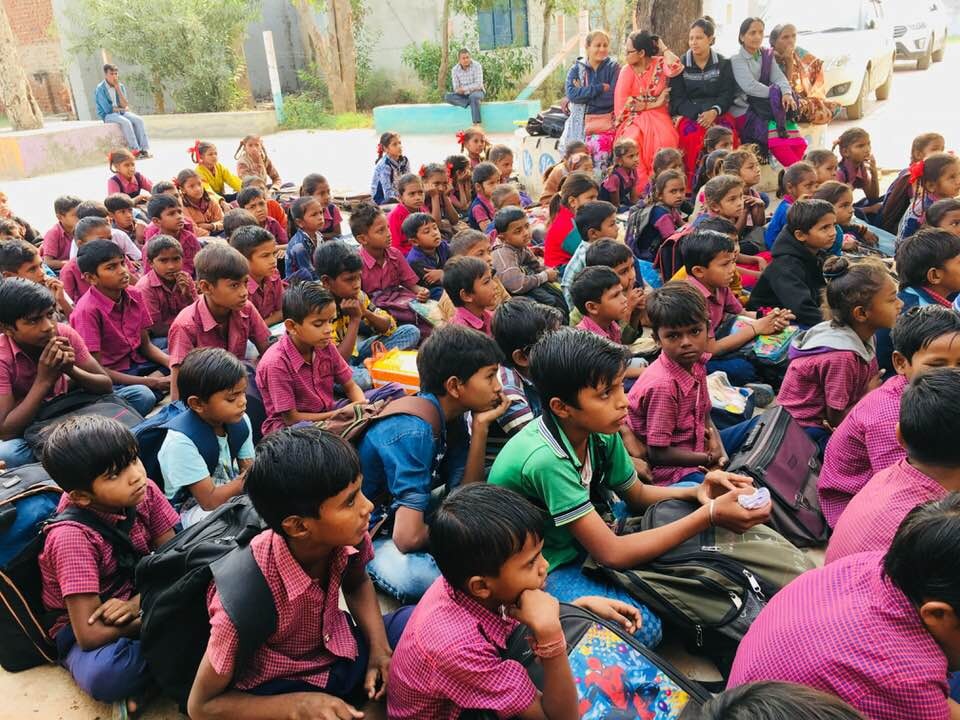
7. Managing Changes and Learning
Field work does not always happen exactly according to plan.
A venue may change. Attendance may be different from expectations. Weather may create difficulties. Resources may need to be rearranged.
NGOs need to respond to such situations calmly and practically.
This is where Small Decisions in NGO Work become especially important.
After an activity, the team can also review what happened:
- What worked well?
- What created difficulties?
- What should be changed next time?
- What did the community need?
- What can the team improve?
Learning from one activity can make future activities more organized.
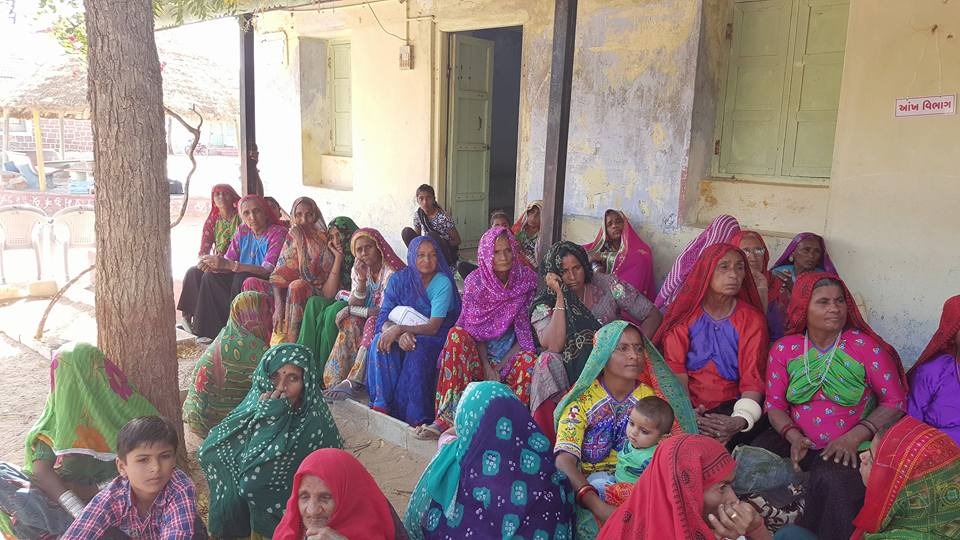
How Small Decisions in NGO Work Create Better Results
The strength of an NGO project is not always visible in one major moment.
It can be found in the small preparations that happen before the activity, the coordination during the work and the learning that happens afterward.
Choosing the right place, preparing resources, communicating clearly and assigning responsibilities may seem like ordinary tasks.
Together, however, these decisions create the structure needed for effective field work.
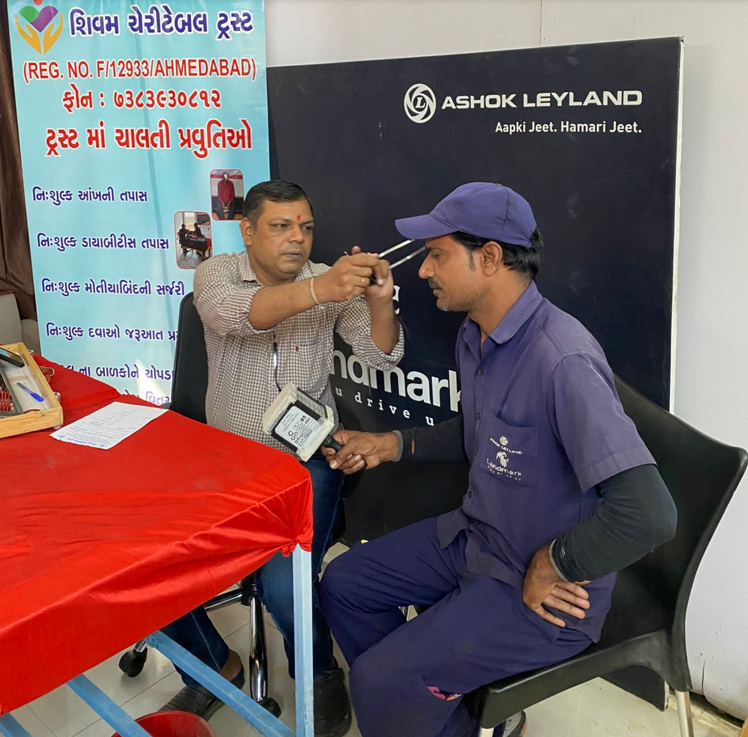
Shivam Charitable Trust and Field Initiatives
Shivam Charitable Trust works across areas including healthcare, education, BSF initiatives, eye care, diabetes awareness, sickle cell support and women empowerment. Its projects page describes multiple ongoing initiatives across health, education and community-focused work.
These types of projects involve planning, coordination, field implementation and interaction with communities.
You can learn more through the Trust’s Projects page and About Us page.
For community-focused health initiatives, WHO resources on Community Engagement provide additional background on involving communities in health-related planning and action.
Conclusion
Small Decisions in NGO Work may look ordinary, but they can shape how an activity is planned, delivered and improved.
A successful NGO project is often created through a combination of thoughtful planning, clear communication, teamwork, community understanding and continuous learning.
The next time you see an NGO activity happening in the field, remember that the visible event is only one part of the journey.
Behind it are dozens of small decisions that help turn an idea into organized action.
Small decisions. Clear responsibilities. Better planning. Stronger field work.
https://theshivamcharitabletrust.org/
https://theshivamcharitabletrust.org/projects/