1. Good Intentions Are Only the Beginning
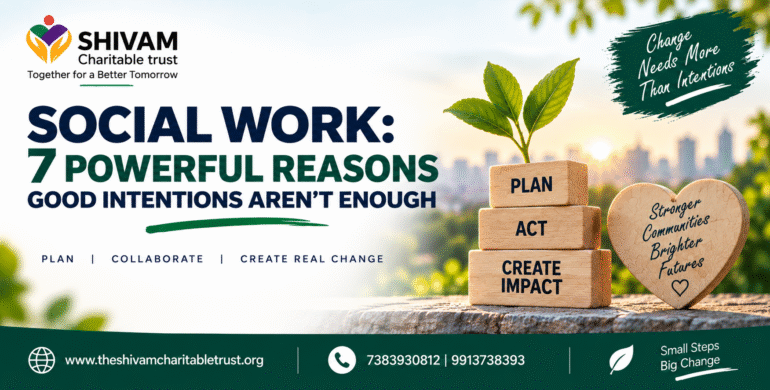
Good intentions are often the starting point of Social Work.
People may want to support children, improve healthcare access, help communities or contribute to other social causes.
But an intention alone does not answer important questions:
- Who needs help?
- What kind of support is needed?
- Where is it needed?
- What resources are available?
- How should the activity be organized?
This is where an idea needs to become a plan.
2. Understand the Real Need
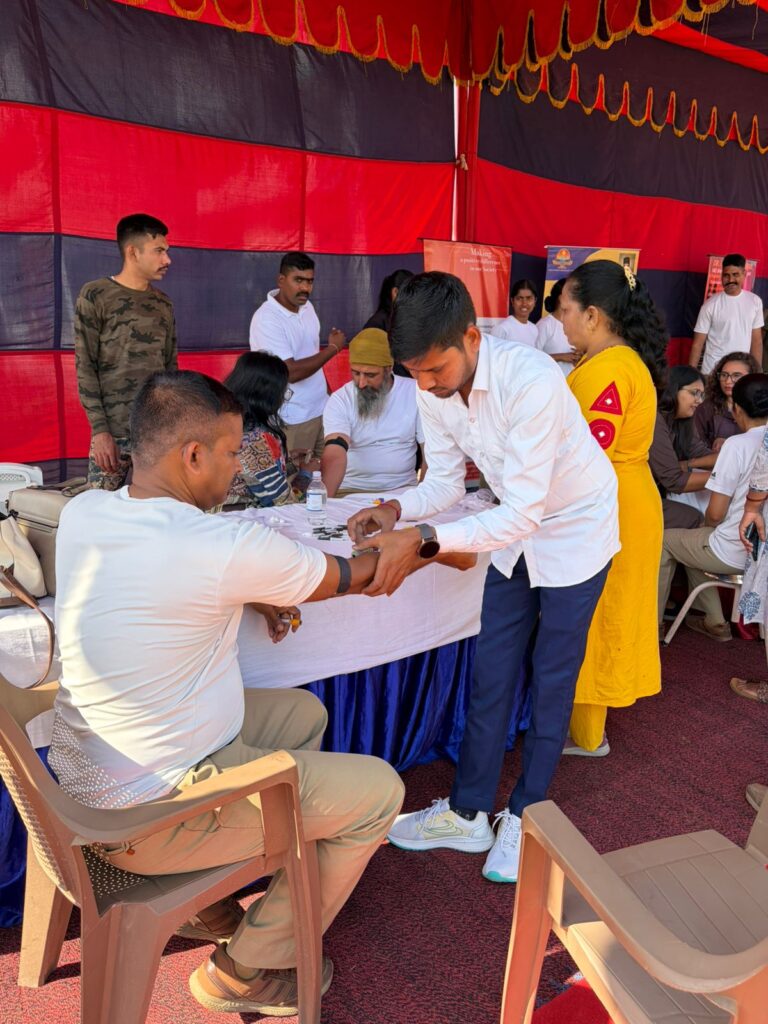
One of the most important parts of Social Work is understanding the actual problem before taking action.
The problem that appears from outside may not always be the complete picture.
NGOs can learn more through:
- Field visits
- Community conversations
- Beneficiary feedback
- Local observations
- Professional advice
- Previous project experience
Listening to communities helps organizations understand their priorities and challenges.
The World Health Organization emphasizes community engagement as an important approach for bringing communities and stakeholders into health-related action. WHO Community Engagement
3. Planning Turns Ideas Into Action
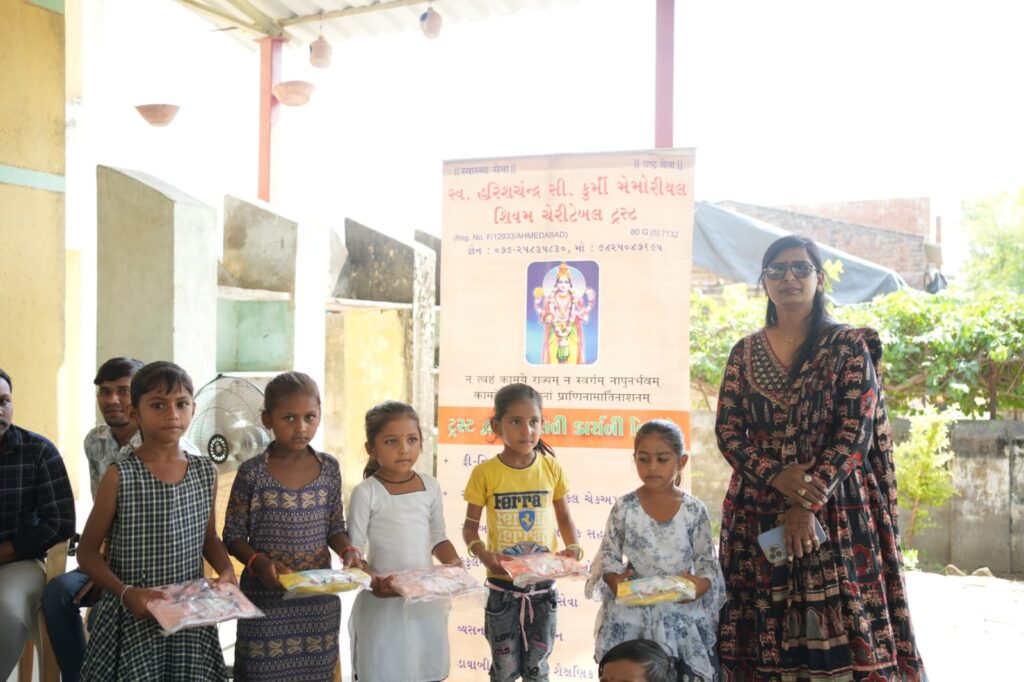
Once a need is understood, planning becomes essential.
A Social Work initiative may need:
- A clear objective
- Target beneficiaries
- Location
- Timeline
- Team members
- Materials
- Equipment
- Budget
- Partners
- Follow-up plans
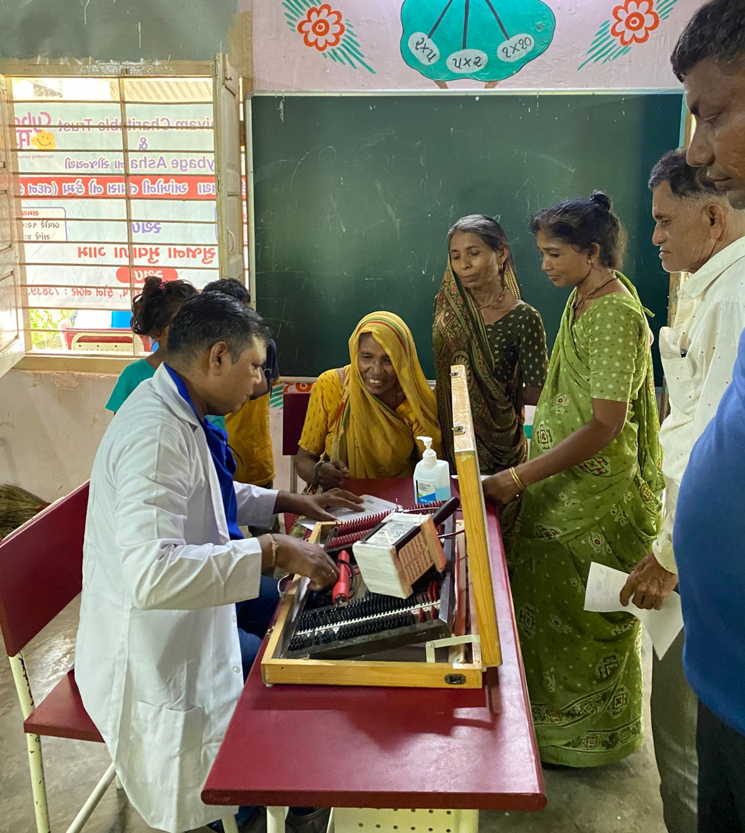
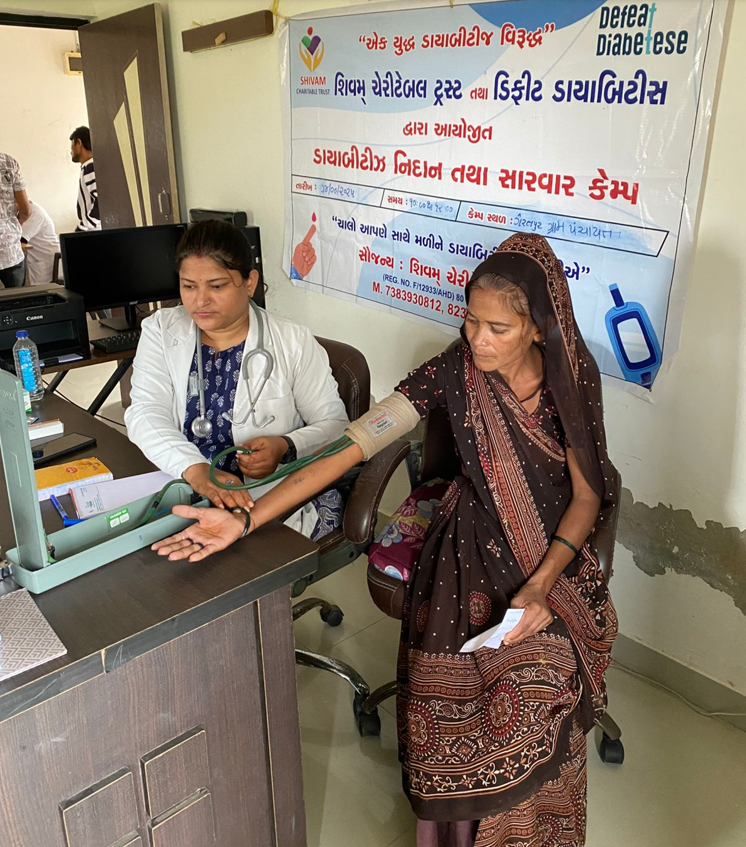
For example, an NGO planning a health initiative may need healthcare professionals, volunteers, registration staff, equipment and venue coordination.
Planning helps convert “We should help” into “This is how we can help.”
4. The Right Team Makes a Difference
Social initiatives are rarely created by one person.
Different projects may require:
- Volunteers
- Doctors
- Teachers
- Field coordinators
- Community representatives
- Corporate partners
- Professional experts
Each person can bring a different skill to the project.
A well-coordinated team can make field activities more organized and responsive.
This is why successful Social Work often depends on collaboration rather than individual effort.
5. Resources Must Be Used Responsibly
Resources are not limited to money.
An NGO may work with:
- Time
- People
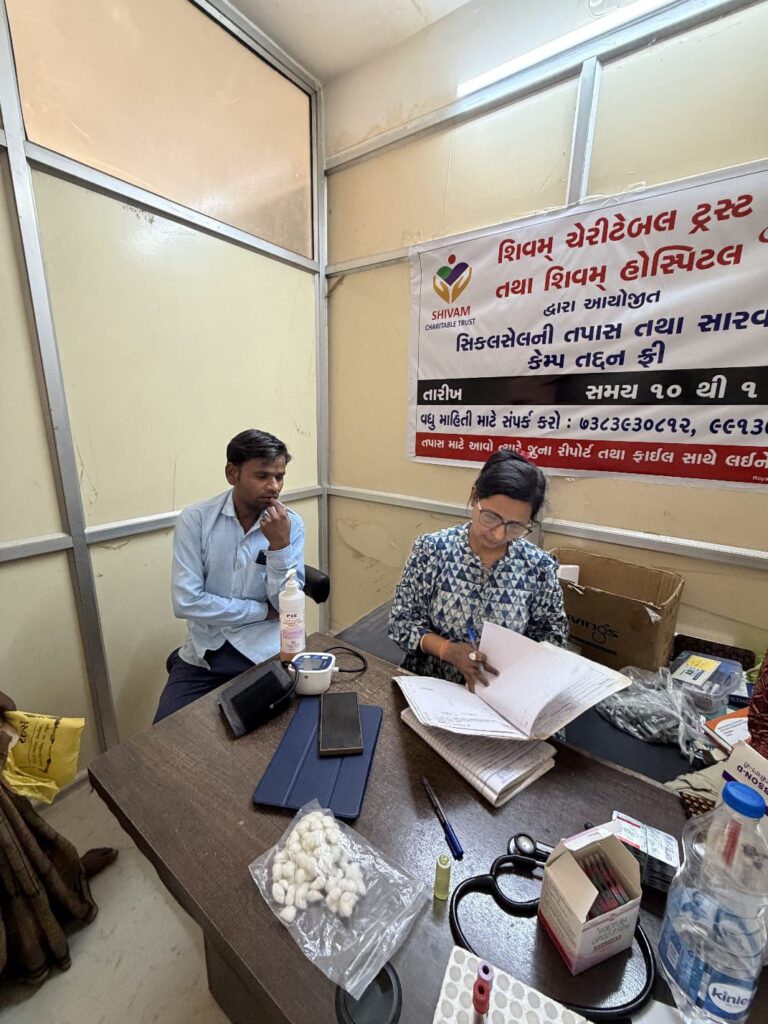
- Equipment
- Materials
- Knowledge
- Professional skills
- Transportation
- Financial support
Using these resources responsibly is an important part of social initiatives.
The objective is not simply to have more resources, but to use available resources where they can address clearly identified needs.
6. Consistency Matters
One activity can create an opportunity to help, but some social issues require continued attention.
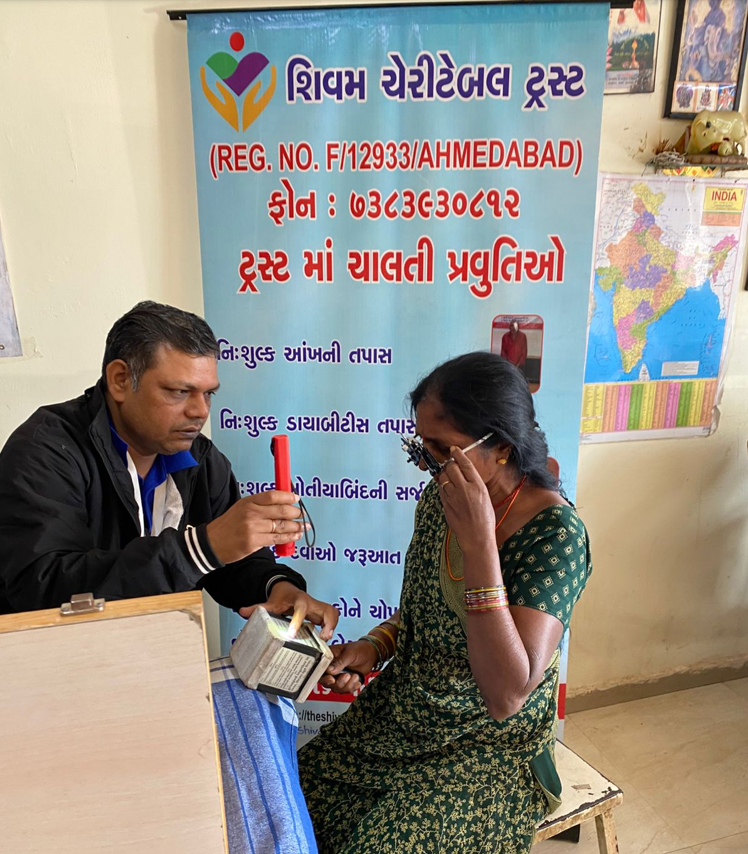
For example, one awareness session may introduce an important topic, while repeated activities can help reinforce awareness and encourage continued engagement.
A useful Social Work journey can therefore move from:
One Activity → Follow-Up → Learning → More Activities → Long-Term Initiative
Consistency also allows an NGO to understand what works and what needs improvement.
7. Measure, Learn and Improve
Good intentions should eventually lead to measurable action.
NGOs can review:
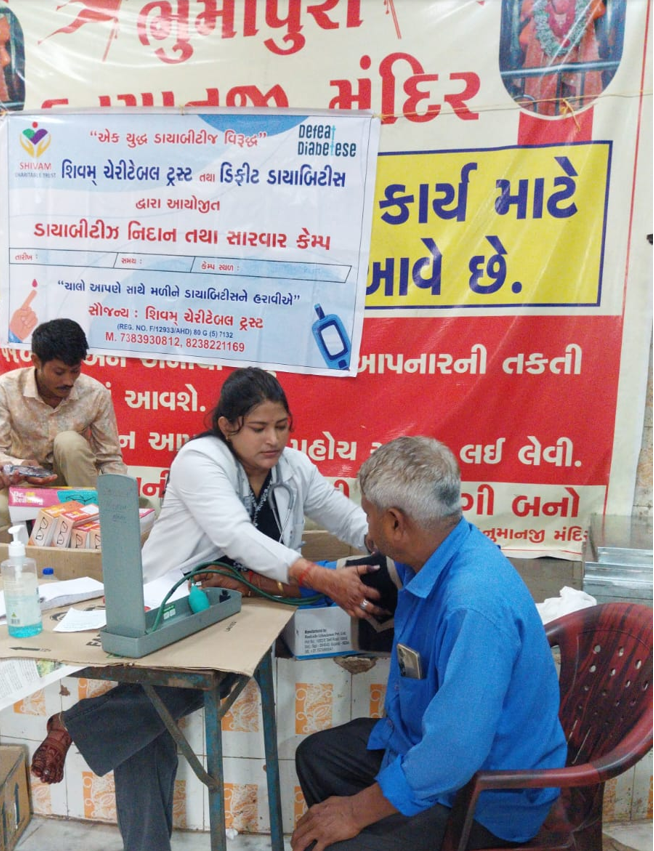
- Number of beneficiaries reached
- Activities conducted
- Services delivered
- Locations covered
- Volunteer participation
- Partner involvement
- Follow-up completed
But measurement is not only about numbers.
An organization can also ask:
What did we learn?
What could have been better?
What should we change next time?
These questions turn experience into improvement.
8. Documentation Builds Accountability
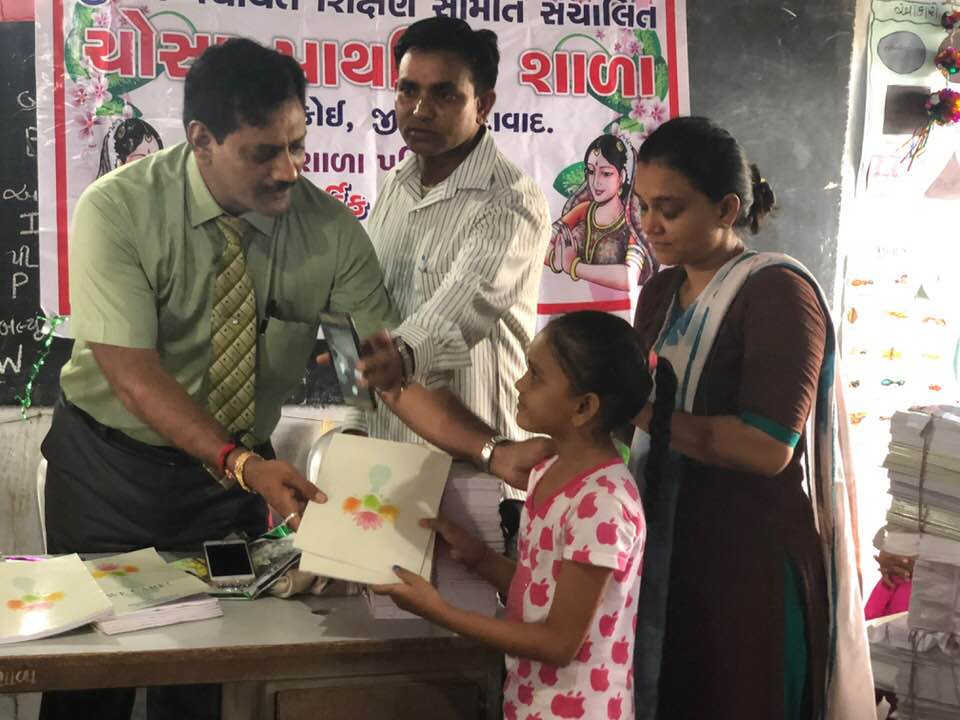
Documentation is another important part of professional Social Work.
Depending on the project, documentation may include:
- Activity reports
- Attendance records
- Beneficiary information
- Photographs
- Videos
- Partner updates
- Feedback
- Project outcomes
Good documentation creates a clear record of what was planned and what was actually done.
It can also help NGOs communicate their work clearly with partners, supporters and stakeholders.
9. Partnerships Strengthen Social Initiatives
Many social projects become possible through collaboration.
NGOs can work with:
- Corporates
- CSR teams
- Hospitals
- Schools
- Professionals
- Community organizations
- Other NGOs
Partnerships can bring together different forms of expertise and resources.
The United Nations’ Sustainable Development Goals also recognize partnerships involving governments, businesses and civil society as an important part of sustainable development. UN Partnerships for Sustainable Development
The key is to create partnerships around clear objectives and responsibilities.
10. From Good Intentions to Meaningful Action
The journey of Social Work can be understood simply:
Good Intention → Understanding → Planning → Teamwork → Action → Follow-Up → Learning
Each step matters.
An NGO may begin with a simple concern, but structured planning can turn that concern into a meaningful initiative.
The goal is not just to do something.
The goal is to understand what should be done, for whom, how, and what can be learned from it.
Shivam Charitable Trust: Turning Intentions Into Action
Shivam Charitable Trust works across several areas of social development, including healthcare, education, eye care, diabetes initiatives, BSF-related initiatives and support for communities.
The Trust’s different projects demonstrate how social concerns can be converted into organized activities.
You can explore its initiatives through the official Projects page.
More information about the organization’s background and work is available on its About Us page.
Through different initiatives, the broader principle remains the same:
Identify the need. Plan the response. Bring people together. Take action. Learn and continue.
Conclusion
Good intentions are valuable because they inspire people to care.
But meaningful Social Work requires more than caring.
It requires understanding, planning, responsible resource use, teamwork, consistency, measurement and accountability.
A simple intention can start the journey.
Thoughtful action helps move it forward.
“Good intentions may begin social change, but meaningful action helps sustain it.”
https://theshivamcharitabletrust.org/
https://theshivamcharitabletrust.org/about-us/
https://theshivamcharitabletrust.org/projects/
https://www.un.org/sustainabledevelopment/globalpartnerships/