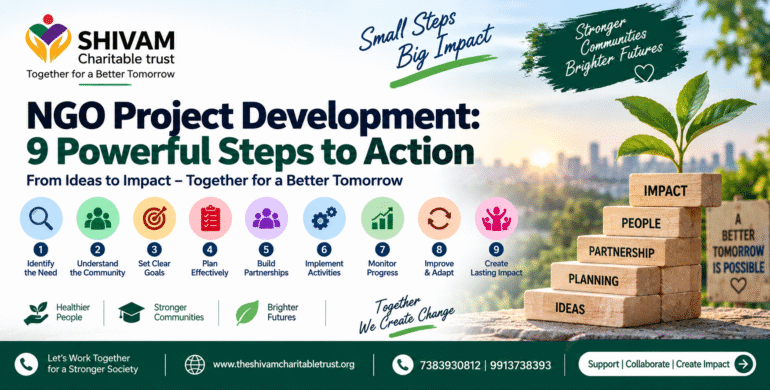
NGO Project Development begins when an organization identifies a real problem and starts looking for a practical way to address it. A social issue may appear simple from the outside, but creating a useful project requires research, planning, people, resources and continuous follow-up.
For an NGO, the journey usually moves from understanding a need to planning a response and finally taking action.
Whether the issue involves healthcare, education, community support, environmental work or another social concern, a structured approach can help an NGO turn an idea into an organized project.
What Is NGO Project Development?
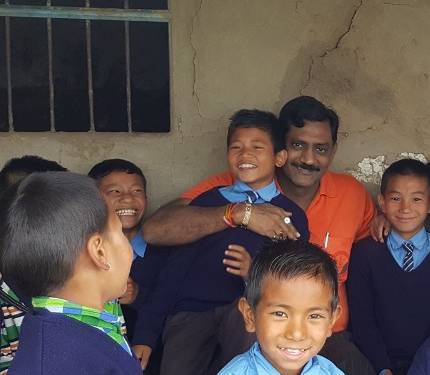
NGO Project Development is the process of taking a social or community need and converting it into a structured initiative.
It can involve:
- Identifying a problem
- Understanding the affected community
- Defining objectives
- Creating an action plan
- Arranging resources
- Building partnerships
- Implementing activities
- Monitoring progress
- Following up
- Documenting results
A project becomes more meaningful when its activities are connected to an identified need rather than being planned without understanding the situation.
The World Health Organization also highlights the importance of community engagement and relationships between stakeholders when addressing health-related issues.
1. NGO Project Development Starts With Understanding the Real Problem
The first step is not immediately creating an event or campaign.
It is understanding the problem.
An NGO may discover community needs through:
- Field visits
- Conversations with local people
- Community representatives
- Previous project experience
- Feedback from beneficiaries
- Discussions with professionals
- Local observations
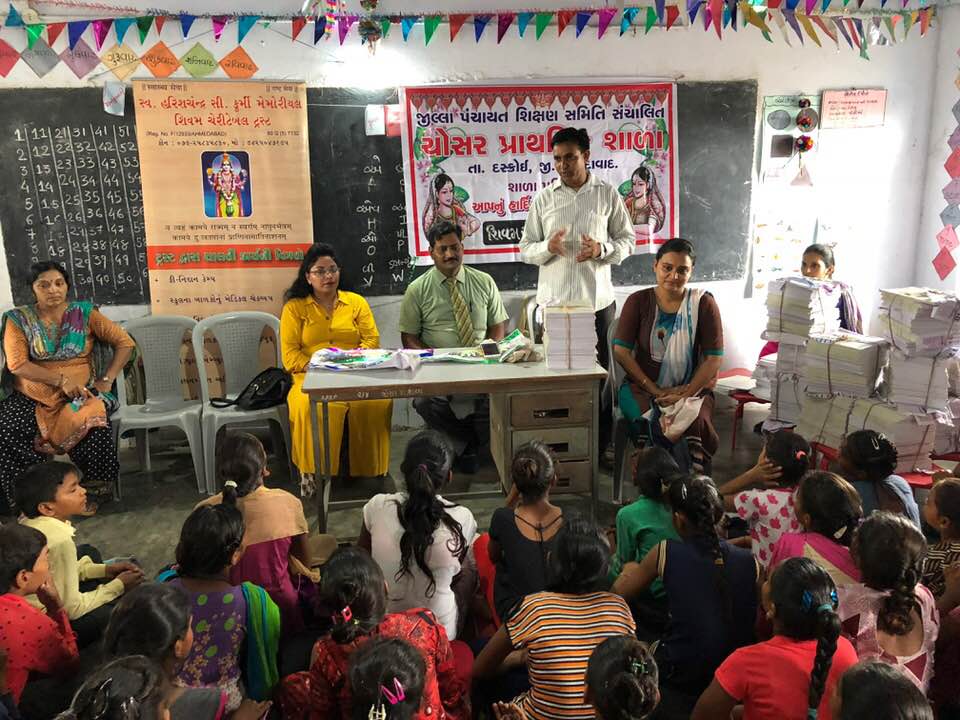
For example, an organization may notice that people in a particular area have limited access to preventive healthcare.
Instead of immediately organizing an activity, the team can first understand:
Who needs support? What kind of support is required? Where is it required?
This initial understanding helps create a more relevant project.
2. Identifying Community Needs
Once a problem is noticed, the next step is identifying the specific need.
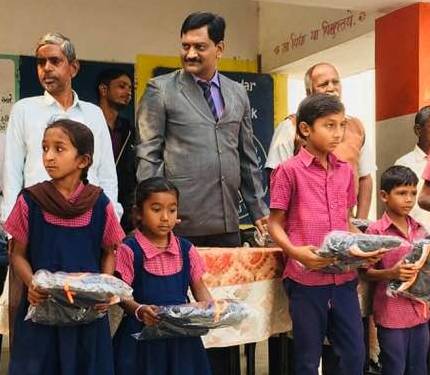
Community participation can help organizations understand priorities, barriers and possible solutions. WHO resources describe community engagement as an approach that brings stakeholders together to address issues and improve outcomes.
For an NGO, this may mean asking:
- Who is affected?
- What is the major difficulty?
- What support is already available?
- What support is missing?
- How many people may need assistance?
- Can the organization address the issue effectively?
This stage creates the foundation for NGO Project Development.
3. Turning a Problem Into a Project Idea
A problem by itself is not a project.
The organization needs to convert the problem into a practical response.
For example:
Problem: Limited access to basic health awareness
Project Idea: Community Health Awareness Program
Or:
Problem: Students need educational resources
Project Idea: Educational Material Support Initiative
Or:
Problem: People require greater awareness about eye health
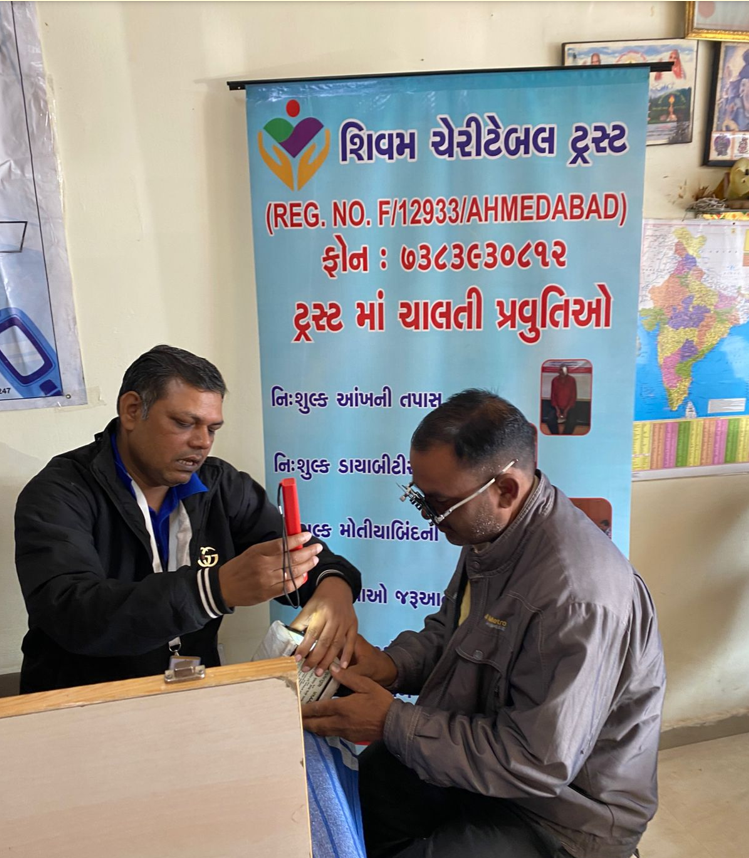
Project Idea: Eye Health Awareness and Screening Initiative
The project should clearly define its purpose, beneficiaries and activities.
A simple formula can be:
Problem → Need → Objective → Project → Action
This is one of the most important stages of NGO Project Development because it connects a real-world issue with a practical response.
4. Planning the Project
A good project requires a clear plan.
Before implementation, an NGO may define:
- Project objective
- Target beneficiaries
- Location
- Duration
- Number of activities
- Team requirements
- Equipment
- Materials
- Transportation
- Budget
- Timeline
- Partner responsibilities
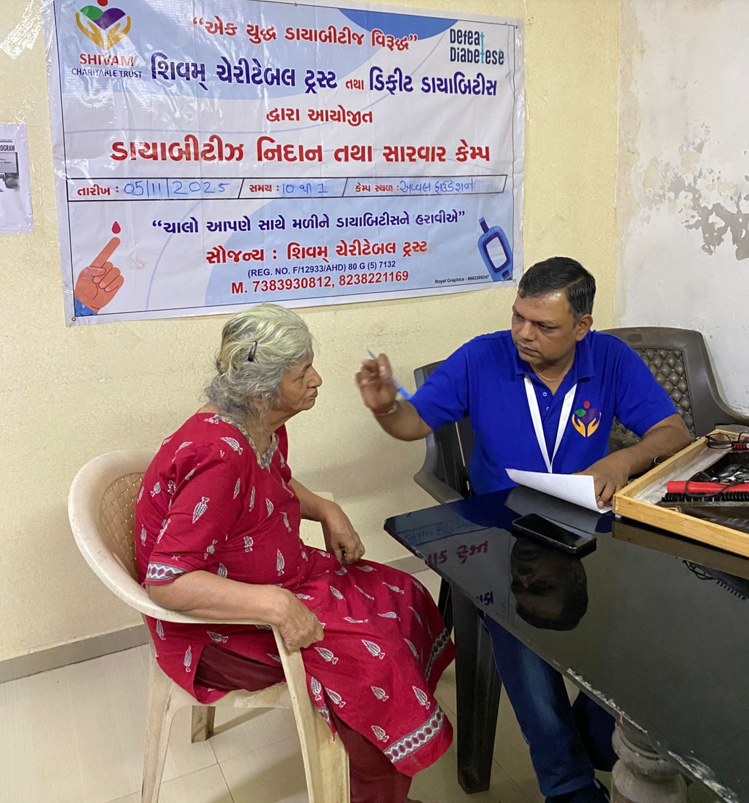
For example, a health initiative may require healthcare professionals, registration staff, medical equipment, venue arrangements, volunteers and transportation.
Detailed planning helps the organization understand what is required before the activity begins.
5. Building the Right Team
Social projects rarely depend on one person.
Depending on the project, NGOs may work with:
- Doctors
- Teachers
- Volunteers
- Field coordinators
- Community representatives
- Corporate partners
- CSR teams
- Other institutions
- Professional experts
Different people can contribute different skills.
WHO’s community engagement guidance emphasizes working with stakeholders and communities when developing approaches to health and well-being.
A strong team can make project implementation more organized and responsive.
6. Implementing the Project
Planning becomes meaningful when it reaches the field.
Implementation may involve:
- Preparing the location
- Coordinating the team
- Registering beneficiaries
- Delivering the planned service
- Conducting awareness activities
- Managing equipment and materials
- Recording project information
- Resolving field-level challenges
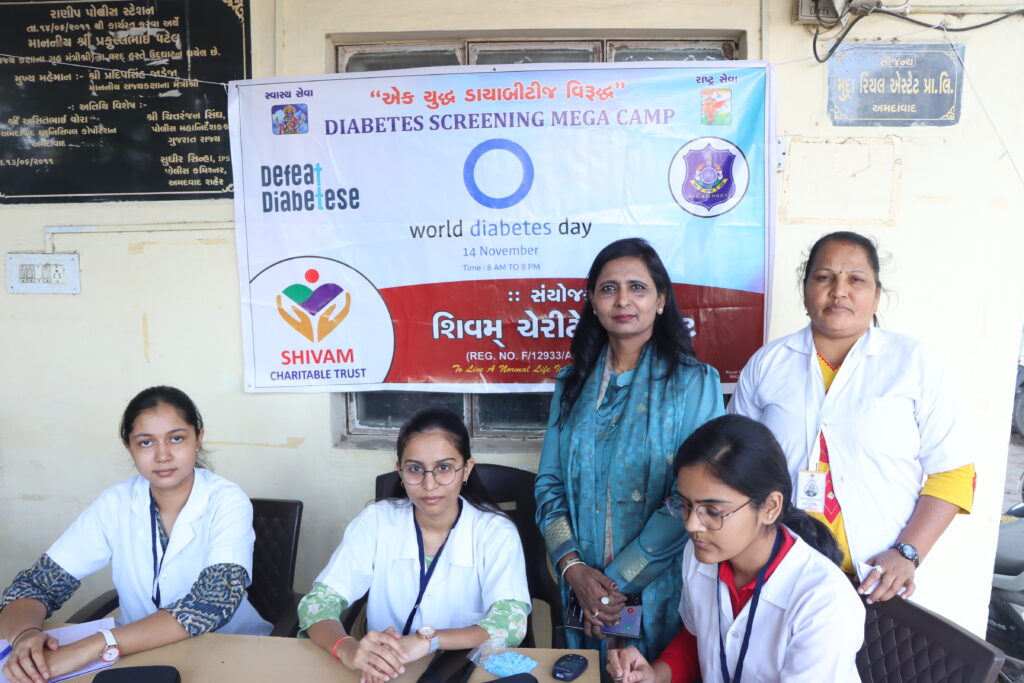
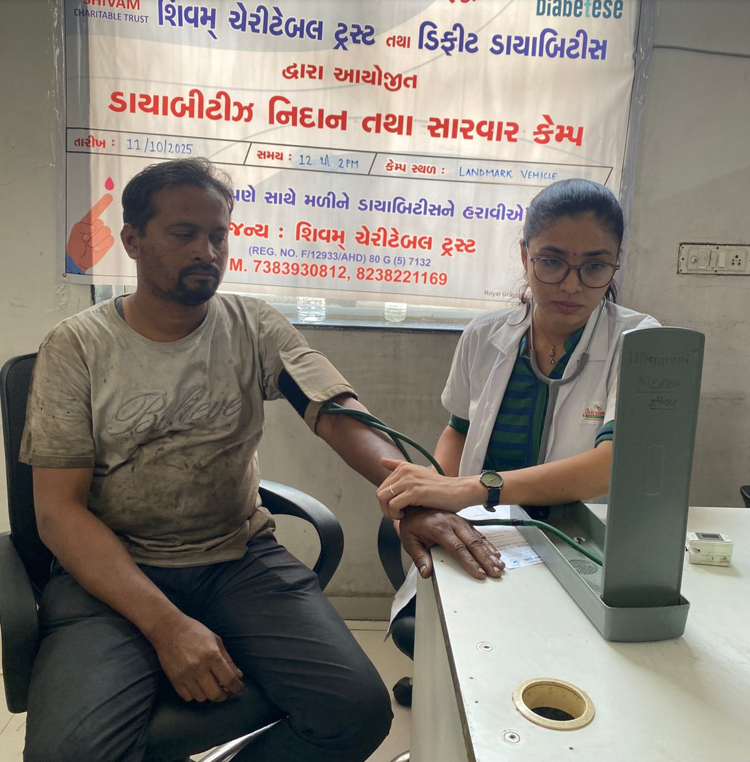
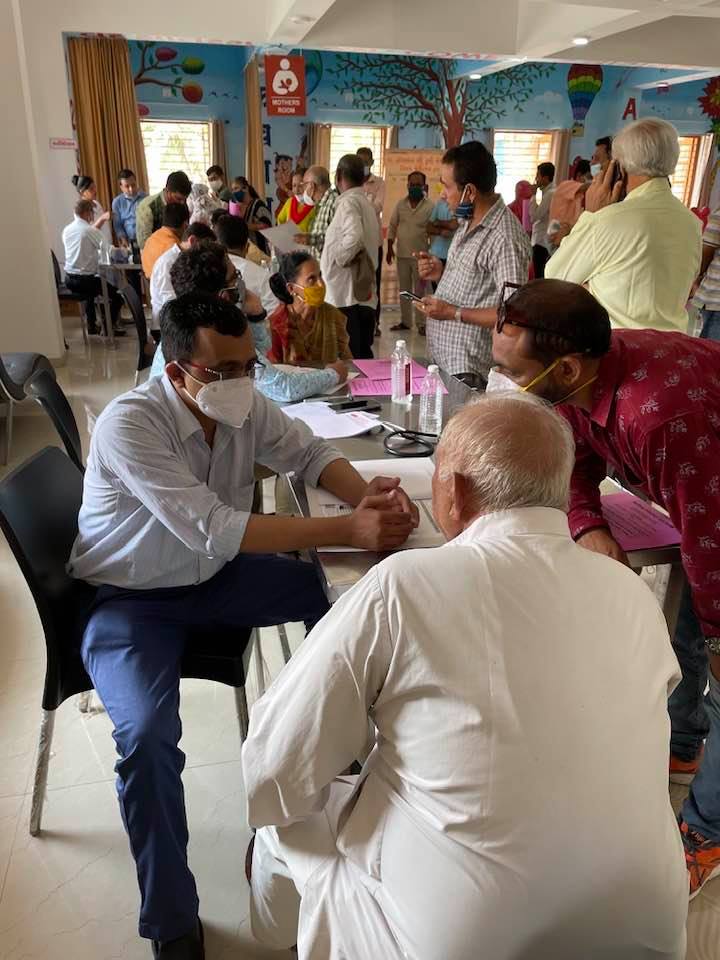
For example, during a health camp, the NGO team may coordinate registration, screening, professional consultation, awareness activities and further guidance.
Real field situations can also be different from the original plan. Therefore, flexibility and communication are important.
7. Following Up With Beneficiaries
An NGO project should not always end when the activity is completed.
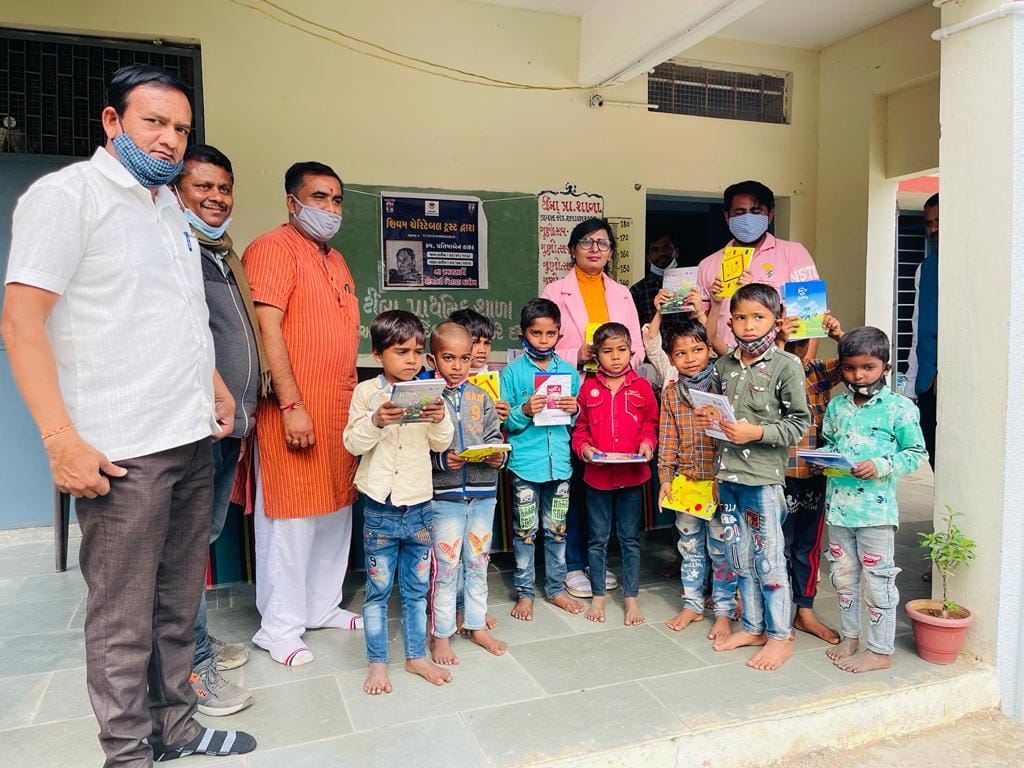
Follow-up can help identify whether beneficiaries require additional assistance.
Depending on the project, follow-up may include:
- Beneficiary communication
- Referrals
- Additional support
- Feedback
- Further awareness
- Future activities
This is particularly important when an activity identifies needs that cannot be addressed during a single event.
Follow-up helps create continuity between one project and the next.
8. Measuring Results
Another important part of NGO Project Development is understanding what the project achieved.
An organization can track indicators such as:
- Number of beneficiaries reached
- Number of activities conducted
- Locations covered
- Services delivered
- Volunteers involved
- Partner participation
- Follow-up activities
Numbers can help an NGO understand the scale of its work.
However, project evaluation can also look beyond numbers:
What was learned? What challenges appeared? What should be improved?
These questions can help shape future projects.
9. Documentation and Reporting
Documentation is an important part of professional NGO work.
Project documentation may include:
- Attendance records
- Beneficiary information
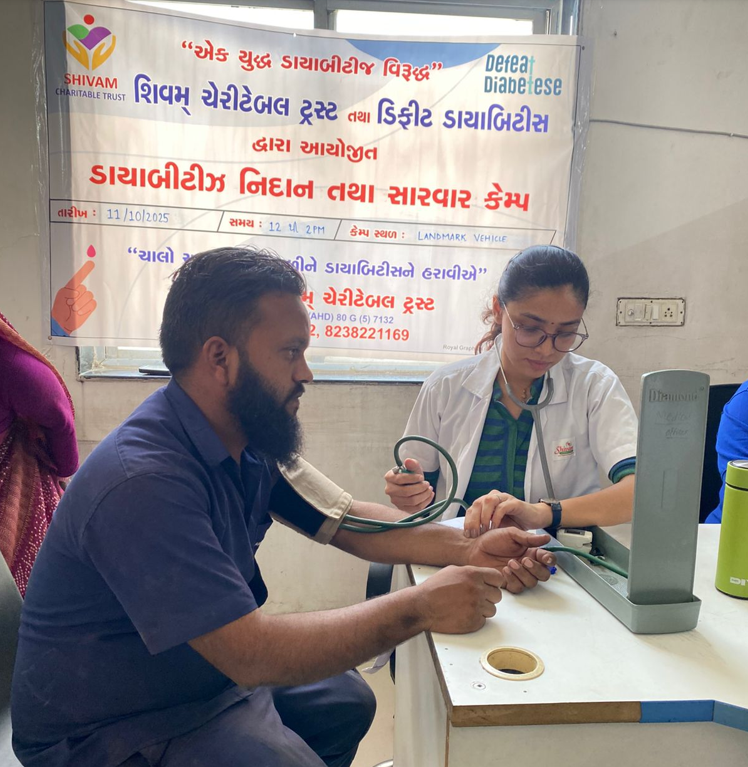
- Photographs
- Videos
- Activity reports
- Partner updates
- Feedback
- Project outcomes
- Expense records
Proper documentation helps an organization maintain a clear record of its activities.
It can also help partners and supporters understand what was planned, what was implemented and what was achieved.
Good documentation connects planning, implementation and accountability.
10. From One Project to a Long-Term Initiative
One of the most valuable outcomes of NGO Project Development is learning from every project.
A simple activity can reveal a larger requirement.
The journey can look like:
Problem → Small Initiative → Learning → Follow-Up → Larger Project → Long-Term Program
For example, one health awareness activity may reveal a continuing need for regular screening or awareness.
That learning can help an NGO design future activities around the actual needs observed in the field.
This approach allows social initiatives to develop progressively rather than relying only on assumptions.
11. Role of Partnerships in NGO Project Development
Partnerships can bring additional expertise, resources and networks to social initiatives.
NGOs may collaborate with:
- Corporates
- CSR teams
- Hospitals
- Schools
- Educational institutions
- Professionals
- Other NGOs
- Community organizations
The United Nations identifies partnerships involving governments, businesses and civil society as an important part of sustainable development.
Partnerships can help organizations combine different strengths around a shared objective.
For an NGO, the key is to clearly define the project’s purpose, responsibilities, resources and reporting process.
12. Shivam Charitable Trust and Social Action
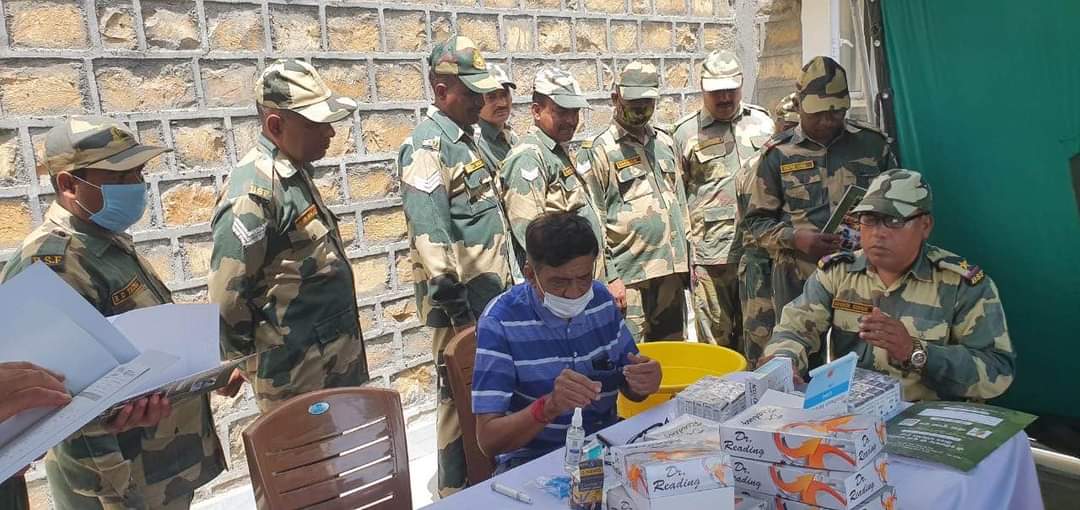
Shivam Charitable Trust works across several areas of social development, including healthcare, education, eye care, support for underprivileged communities, BSF-related initiatives, diabetes awareness and sickle cell-related work.
The Trust’s official Projects section provides information about its different initiatives.
Its work demonstrates how different community needs can be addressed through organized activities and partnerships.
For example, healthcare initiatives can focus on screening and awareness, education initiatives can support children, and specialized initiatives can address particular community needs.
The Trust’s About Us page provides additional information about the organization and its work.
The important principle is that social action requires more than identifying a problem. It requires a process:
Identify → Understand → Plan → Partner → Implement → Follow Up → Learn
That is the practical foundation of NGO Project Development.
Why NGO Project Development Matters
A structured project approach helps an NGO move from a general concern to a practical response.
It can help organizations:
- Understand real needs
- Use resources more effectively
- Define clear objectives
- Coordinate teams
- Build partnerships
- Track activities
- Learn from experience
- Plan future initiatives
Community-focused planning is particularly important because local people can provide valuable information about their priorities and challenges. WHO’s community participation guidance also describes needs assessment, action planning, implementation, monitoring and evaluation as connected parts of community action.
From Problem to Action
Every social problem may appear large at first.
An NGO can help break that problem into manageable steps.
A field observation can become a discussion.
A discussion can become a project idea.
A project idea can become a plan.
A plan can become field action.
And field action can create learning for the next initiative.
That is the real journey of NGO Project Development.
Conclusion
NGO Project Development is not simply about organizing an activity. It is about understanding a real need and building a responsible path toward action.
From identifying community concerns to planning, partnerships, implementation, follow-up and documentation, every stage contributes to the development of a meaningful project.
The most important lesson is simple:
A problem becomes a project when understanding is followed by planning, partnership and action.
For NGOs, every project can become an opportunity to listen, learn, improve and continue working toward practical social solutions.
https://theshivamcharitabletrust.org/?utm_source=chatgpt.com
https://theshivamcharitabletrust.org/about-us/?utm_source=chatgpt.com
https://www.who.int/publications/i/item/9789240010529?utm_source=chatgpt.com