
Introduction
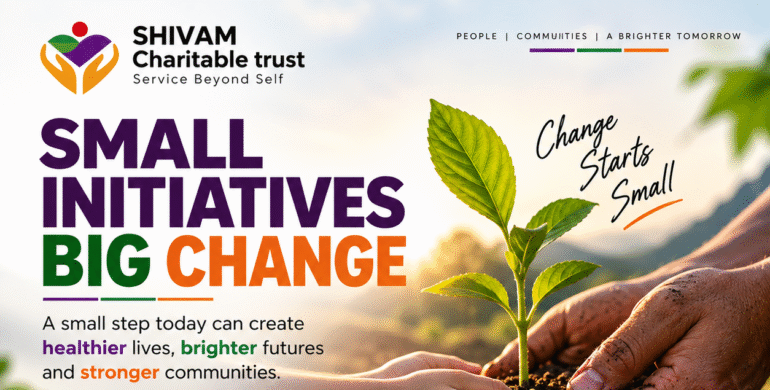
Small Initiatives can sometimes create a much bigger impact than people expect.
Social change does not always begin with a large organization, a major campaign or a massive project. Sometimes, it begins with a simple decision to help, educate, support or create awareness within a community.
A small initiative can reach a few people.
Those people can share what they learn with others.
Others can become involved.
Volunteers can join.
Organizations can contribute resources.
And gradually, one small effort can develop into a wider movement for positive change.
This is one of the most powerful ideas behind social service.
For NGOs like Shivam Charitable Trust, meaningful change can be created through consistent efforts across different areas of society. The Trust’s work includes healthcare, education, community welfare, women empowerment, environmental initiatives and support for the Border Security Force (BSF), among other initiatives. (Shivam Charitable Trust)
The journey toward social change often begins with one simple question:
“What small thing can we do today that may make tomorrow better?”
How Small Initiatives Can Become Movements for Change
Small Initiatives become powerful when they solve a real problem, involve people and continue over time.
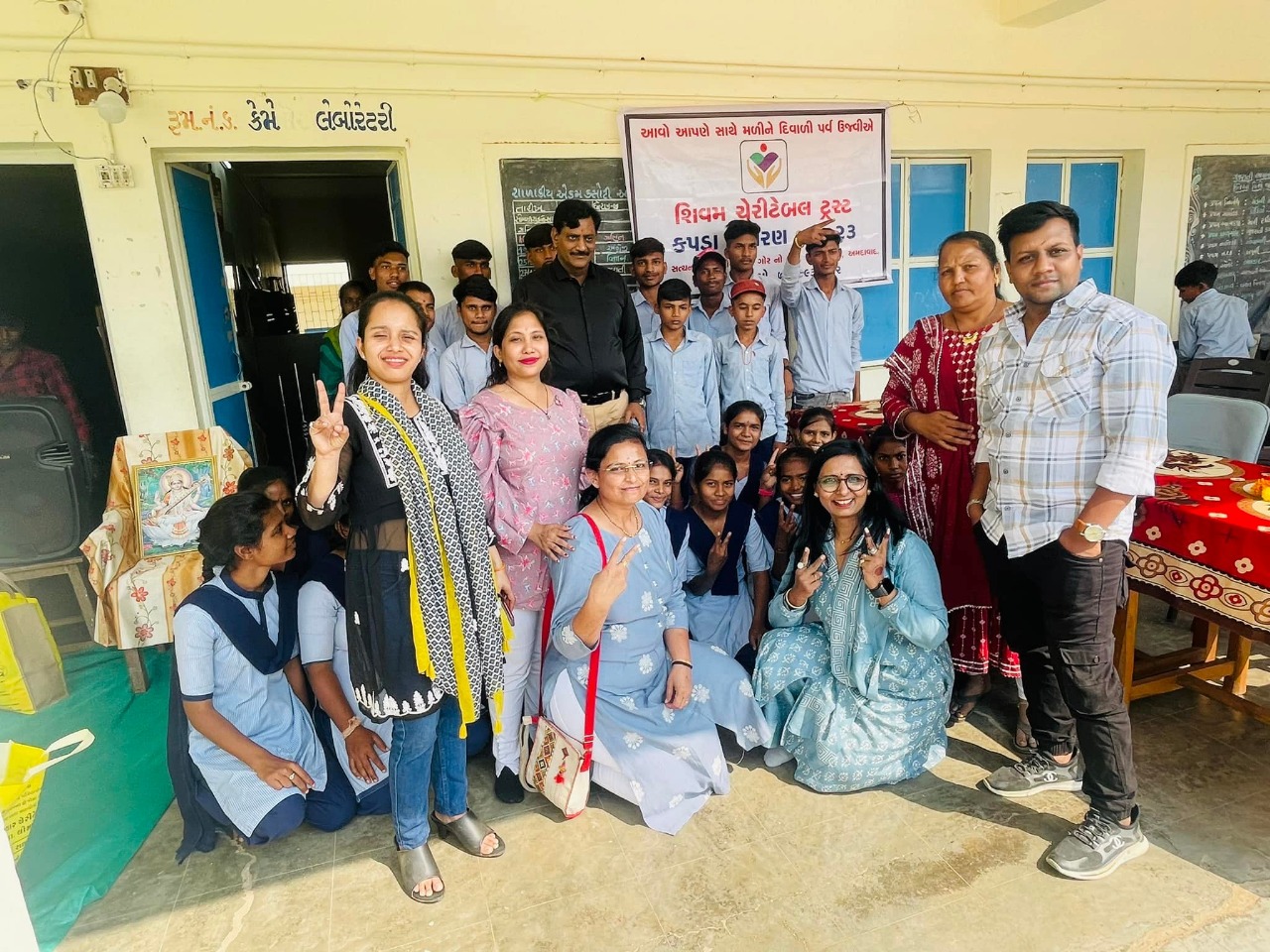
Imagine a small educational activity that helps children receive learning resources.
It may begin with a limited number of students.
But when the community recognizes its value, volunteers may participate, donors may contribute and more children may benefit.
The same principle can apply to awareness programs, environmental activities, community welfare, healthcare initiatives and support for people who serve society.
A movement does not necessarily start big.
It starts with purpose, participation and consistency.
The United Nations Sustainable Development Goals highlight the importance of partnerships and collective action in addressing social and development challenges. (United Nations)
Why Small Actions Matter
It is easy to believe that only large projects can create meaningful social impact.
But communities are made up of individuals.
When individuals take small positive actions, those actions can influence families, neighborhoods and wider communities.
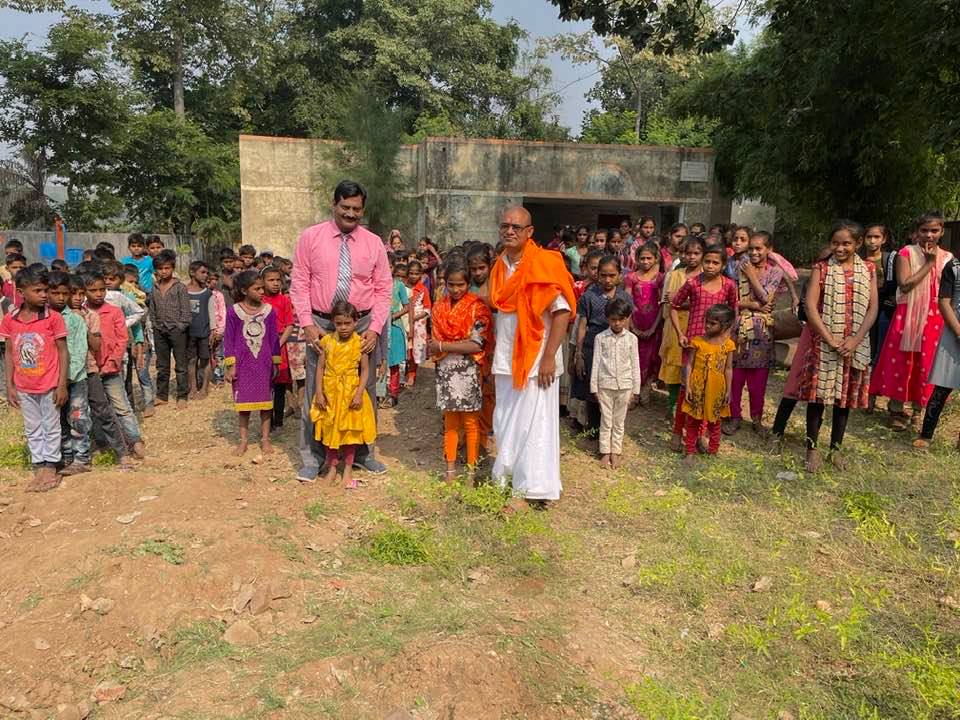
A student who receives educational support may gain confidence.
A family that receives useful awareness may share it with others.
A volunteer who participates in one initiative may become involved in future programs.
A company that supports one community project may discover new opportunities for responsible social investment.
These individual experiences can gradually connect.
That is how Small Initiatives can become part of something much larger.
7 Powerful Ways Small Initiatives Create Lasting Social Change
1. Small Initiatives Start With Real Community Needs
The strongest initiatives usually begin with understanding a genuine need.
A community may need educational support.
Another may need awareness.
Another may need environmental assistance.
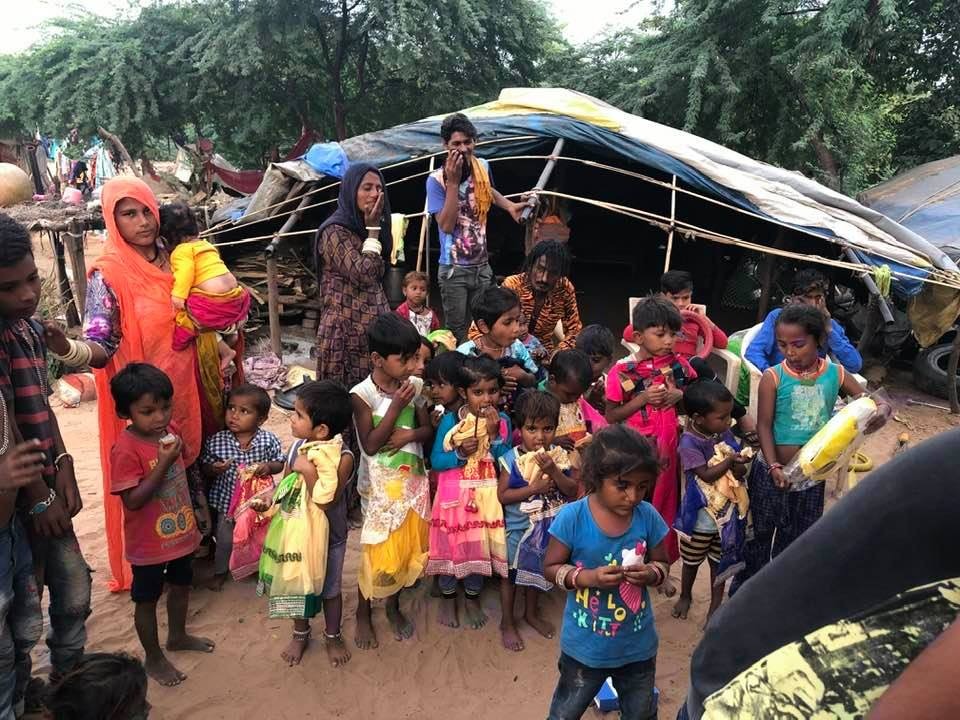
Another may require support for vulnerable groups.
The important point is to identify the need before deciding on the solution.
When an initiative responds to a real challenge, people are more likely to understand its value and participate in it.
This makes the initiative more relevant and meaningful.
2. Small Initiatives Create Awareness
Awareness can be the first step toward change.
People cannot always act on a problem they do not understand.
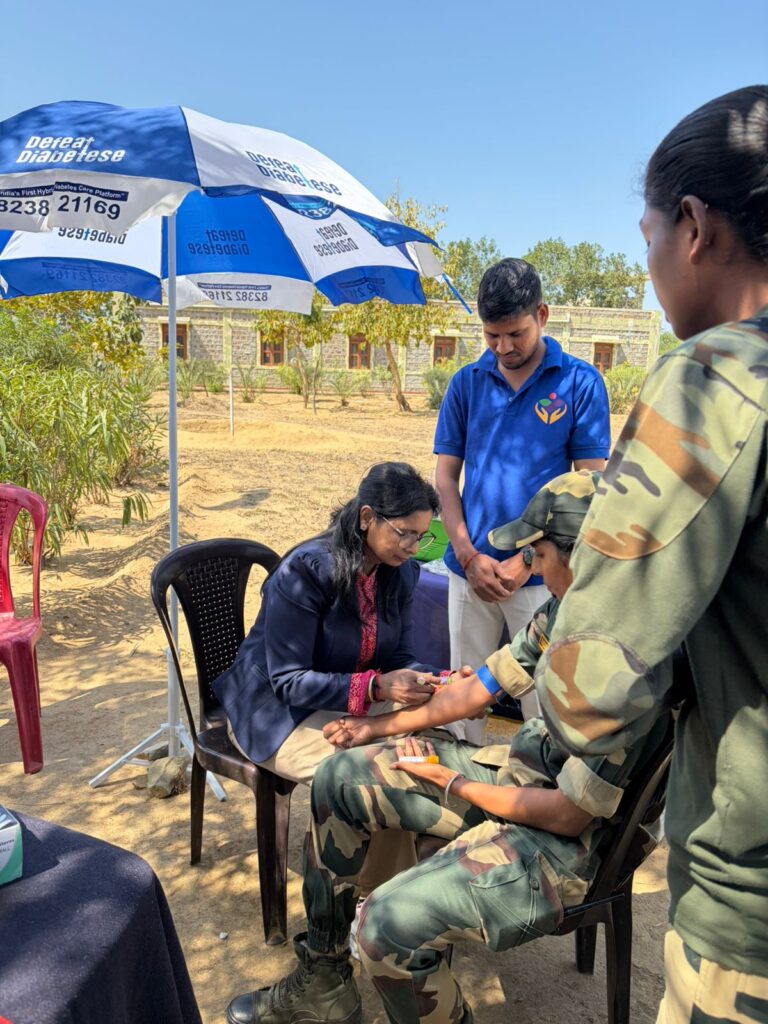
Awareness programs can introduce important information, encourage conversations and help people recognize issues affecting their community.
For example, an awareness activity related to education, health, environment or social responsibility may begin with a small group.
But participants can take those messages home.
They can discuss them with family members.
They can share them with friends.
This creates a ripple effect.
One conversation can lead to another.
One activity can inspire another.
And a small initiative can gradually reach a much larger audience.
3. Small Initiatives Encourage People to Participate
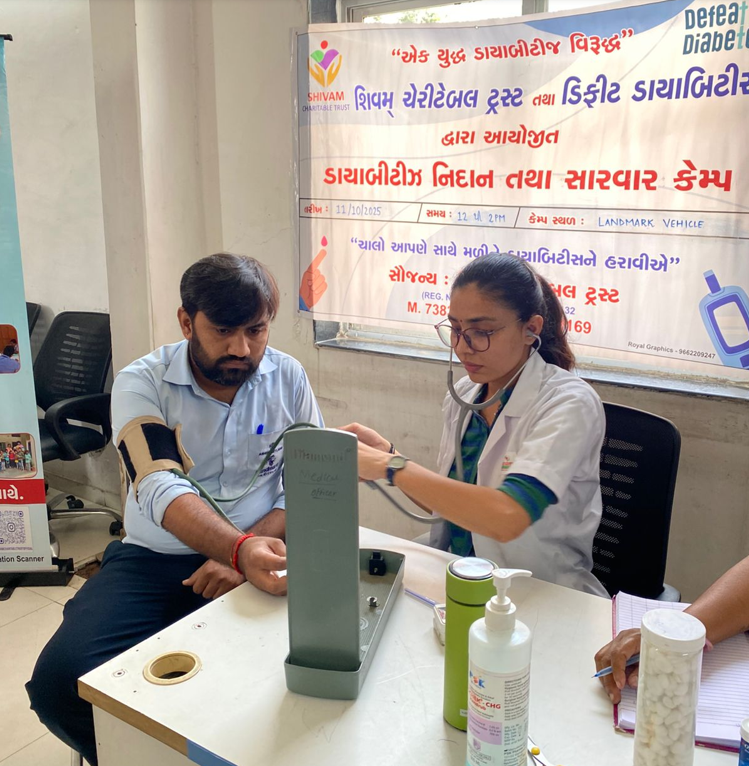
Social change becomes stronger when people become participants rather than spectators.
An NGO can organize an initiative, but volunteers, community members, students, professionals and organizations can help take it forward.
Participation creates ownership.
When people feel connected to an initiative, they are more likely to contribute their time, skills or resources.
This can turn a simple project into a shared community effort.
The result is not just an activity conducted by an organization.
It becomes something that people feel connected to.
4. Small Initiatives Can Inspire Volunteers
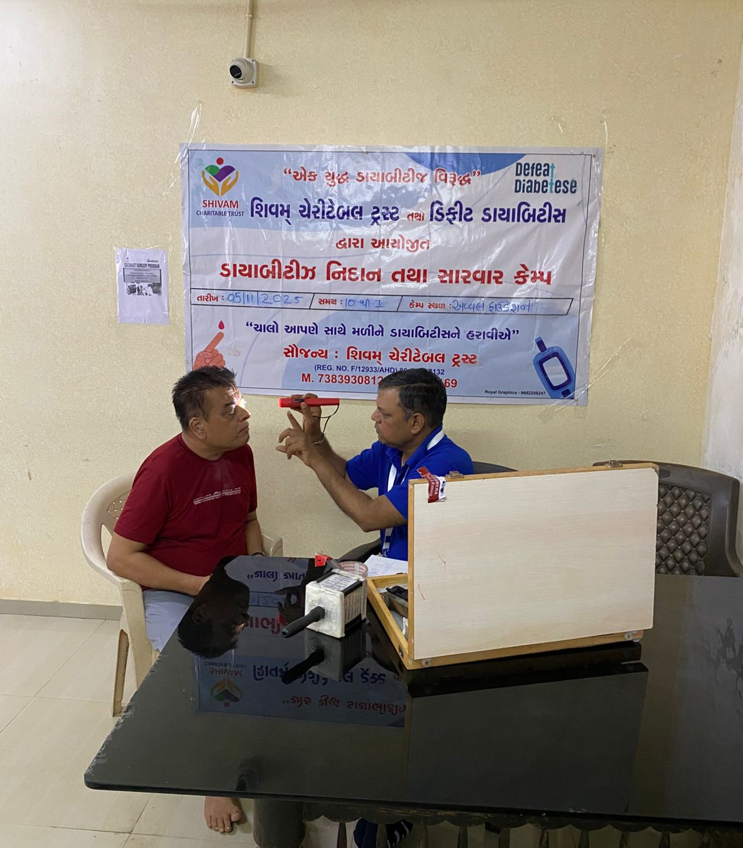
Volunteering is one of the ways social initiatives grow.
Someone may initially volunteer for a single activity.
After seeing the impact directly, they may decide to participate again.
Over time, one volunteer can introduce another person.
A group can become a team.
A team can support multiple initiatives.
This creates a growing network of people who want to contribute to society.
The United Nations recognizes volunteerism as an important way people contribute to development and community well-being. (United Nations Volunteers)
Small beginnings can therefore create long-term engagement.
5. Small Initiatives Build Trust
Trust is important for every social organization.
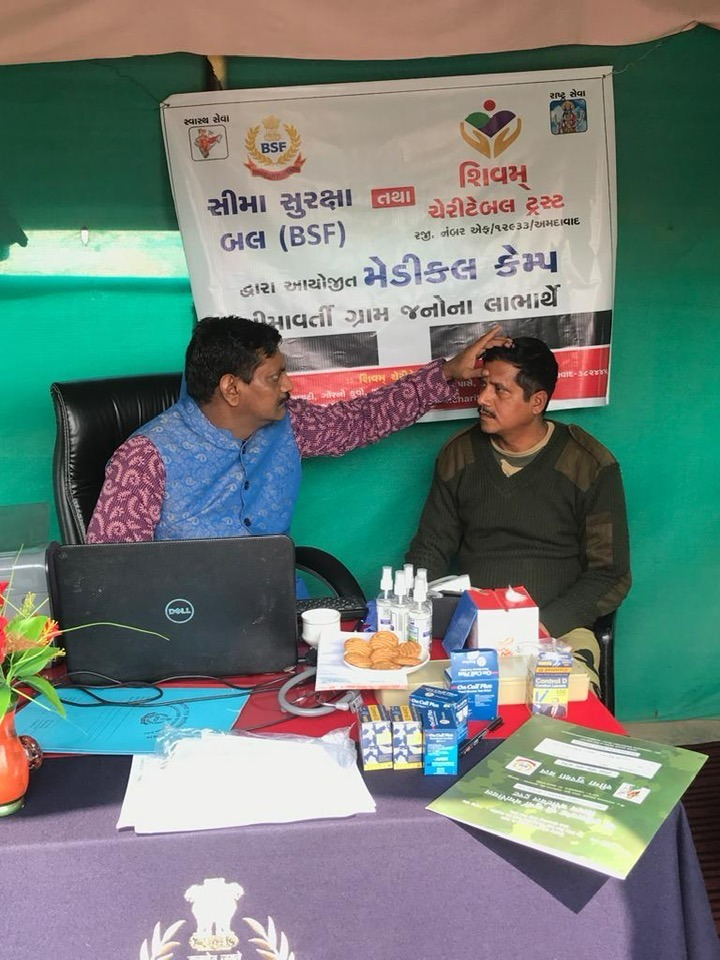
Communities want to know that an organization genuinely cares about the people it serves.
Consistent action can help build that trust.
When an NGO continues showing up, listening, learning and delivering meaningful initiatives, communities can develop greater confidence in its work.
Trust is rarely created through one event.
It grows through repeated actions.
That is why consistency can be just as important as scale.
6. Small Initiatives Create Partnerships
A small project can become the starting point for a much larger partnership.
NGOs can collaborate with:
- Companies
- Schools
- Colleges
- Community groups
- Volunteers
- Professionals
- Local organizations
- Individual donors
Each partner can bring different resources.
One may provide funding.
Another may provide volunteers.
Another may provide expertise.
Another may provide access to a community.
Together, these contributions can strengthen an initiative.
This is how a small idea can develop into a larger social-impact program.
7. Small Initiatives Can Create Long-Term Change
The ultimate goal of social service should not always be completing an activity.
It should be creating meaningful value that continues beyond the activity itself.
A successful initiative can create awareness, confidence, opportunities, participation and stronger community connections.
Those outcomes can continue influencing people after the original project has ended.
For example, educational support can encourage children to continue learning.
Environmental activities can encourage communities to care for their surroundings.
Awareness initiatives can motivate people to make better decisions.
Community programs can encourage people to participate in future social activities.
This is where Small Initiatives can become powerful.
From One Initiative to Community Participation
A small initiative becomes stronger when its impact is shared.
Consider a simple cycle:
Identify a need → Start an initiative → Involve people → Create awareness → Encourage participation → Build partnerships → Continue the effort
This cycle can gradually increase the reach of social service.
The objective is not necessarily to make every initiative huge.
The objective is to make every initiative meaningful, relevant and sustainable.
When people see value in an initiative, they can become part of its journey.
The Role of NGOs in Creating Social Change
NGOs can act as bridges between communities and resources.
They can identify social needs, organize initiatives, bring partners together and create platforms for people to participate.
However, the role of an NGO is not simply to provide support.
It can also involve:
- Creating awareness
- Building opportunities
- Encouraging participation
- Connecting communities with resources
- Supporting long-term development
- Creating partnerships
- Measuring social outcomes
This broader approach can help transform individual activities into a sustained social-impact journey.
The World Bank also highlights the role of citizen engagement and participation in making development more inclusive and responsive. (World Bank)
How Shivam Charitable Trust Turns Service Into Impact
Shivam Charitable Trust works with a broader vision of serving communities through meaningful social initiatives.
According to the Trust’s official website, its work includes healthcare, education, BSF-related initiatives, eye-care support, diabetes awareness, sickle-cell initiatives, women empowerment, environmental activities and community welfare. (Shivam Charitable Trust – Projects)
Each initiative addresses a particular area of social need.
Some initiatives focus on communities.
Some focus on children and education.
Some support healthcare awareness.
Some recognize and support the people serving the nation.
Together, these efforts demonstrate an important principle:
Social impact can take many forms.
There is no single definition of service.
What matters is identifying meaningful opportunities to contribute and continuing the effort with commitment.
You can learn more about the organization’s work through its About Us page.
Building a Culture of Service
A stronger society is not created only through large organizations.
It is created when service becomes part of everyday life.
A student can volunteer.
A company can support a social initiative.
A professional can contribute expertise.
A family can support a community activity.
A citizen can help spread awareness.
Each contribution may appear small on its own.
But together, these actions can create something much bigger.
This is why Small Initiatives should not be underestimated.
They can introduce people to the idea of service.
They can inspire participation.
And they can create a culture where helping others becomes a shared responsibility.
Creating Change That Continues
One of the biggest challenges in social work is ensuring that an initiative does not end with the event itself.
Sustainable change requires follow-up.
Organizations can learn from community feedback, measure outcomes and improve future initiatives.
Partnerships can also help continue successful programs.
Volunteers can remain engaged.
Communities can take greater ownership.
When these elements come together, an initiative can develop a life beyond its original activity.
That is when a small project can evolve into a larger movement.
The Ripple Effect of Social Service
The ripple effect is a useful way to understand social impact.
Imagine dropping one small stone into water.
The stone is small.
But the ripples move outward.
Social initiatives can work in a similar way.
One person becomes aware.
That person influences a family.
The family influences a community.
The community attracts volunteers.
Volunteers create more activities.
Organizations and companies become partners.
The impact continues to expand.
The original initiative may have been small.
The resulting change does not have to remain small.
Conclusion
Small Initiatives can be the starting point for meaningful social transformation.
They can create awareness, encourage participation, build trust, inspire volunteers, develop partnerships and generate long-term community impact.
The most important lesson is simple:
Big change does not always require a big beginning.
Sometimes, change begins with one person caring.
One organization taking action.
One volunteer offering time.
One community participating.
And one small initiative becoming the first step toward something much bigger.
For Shivam Charitable Trust, social service is about creating meaningful opportunities to support communities and contribute toward a stronger society.
When small efforts are guided by purpose and sustained through collective participation, they can become powerful movements for change.
Every movement has a beginning. Sometimes, that beginning is simply one small initiative.