Introduction
Clear Vision, New Possibilities is more than a phrase. Good vision can influence how people learn, work, move around their communities and experience everyday life.
Eye health is an important part of overall health, yet many people do not receive timely eye care. According to the World Health Organization, at least 1 billion people globally have vision impairment that could have been prevented or has yet to be addressed. Access challenges can be greater in low- and middle-income settings.
For underserved communities, eye-care awareness can be an important first step.
A simple eye examination may identify a vision problem. Appropriate spectacles may help with refractive errors. Some conditions may require specialist evaluation or treatment.
This is where community-based initiatives can make a meaningful difference.
Shivam Charitable Trust believes that healthcare should reach people who need it, including communities where access to services may be limited.
Why Eye Care Matters
Vision plays an important role in everyday life.
For a child, good vision can support learning and participation in school.
For an adult, clear vision can support work and independence.
For a senior citizen, appropriate eye care can support mobility, confidence and quality of life.
Vision problems should therefore not simply be considered a minor inconvenience.
WHO notes that vision impairment can affect education, productivity, workforce participation and quality of life.
This makes regular awareness and timely professional eye care important.
Clear Vision, New Possibilities for Underserved Communities
Clear Vision, New Possibilities becomes especially meaningful when eye care reaches people who may have difficulty accessing services.
Underserved communities can face challenges such as:
- Limited availability of eye-care services
- Distance from healthcare facilities
- Financial barriers
- Lack of awareness
- Delayed consultation
- Limited access to spectacles or treatment
WHO specifically identifies underserved and rural populations among groups that can experience a greater burden of uncorrected refractive errors.
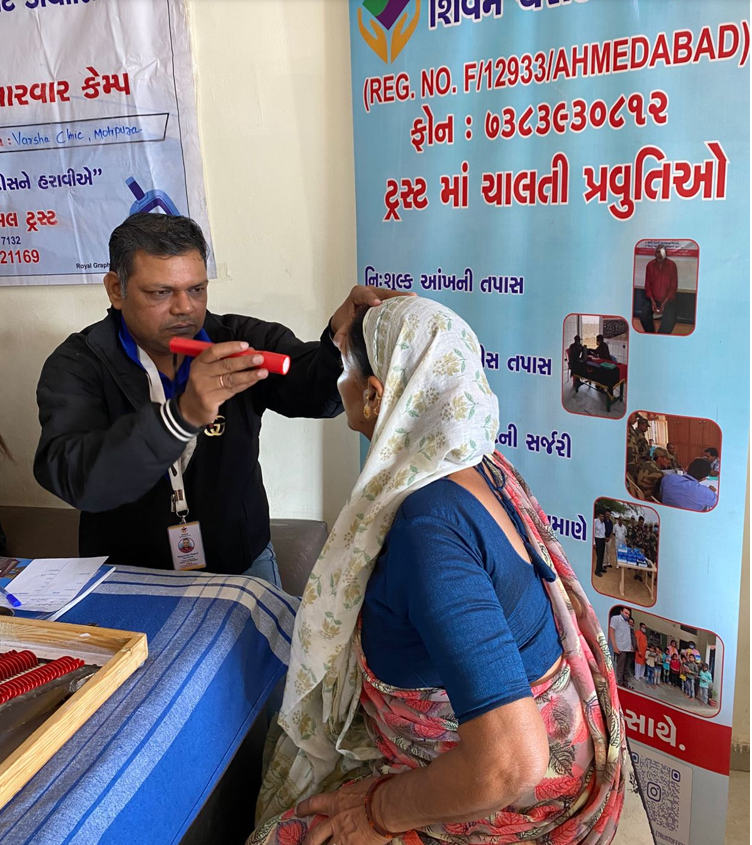
Community outreach can help reduce some of these barriers by bringing awareness and appropriate screening closer to people.
The objective is simple:
Make people aware. Encourage timely examination. Connect them with appropriate care.
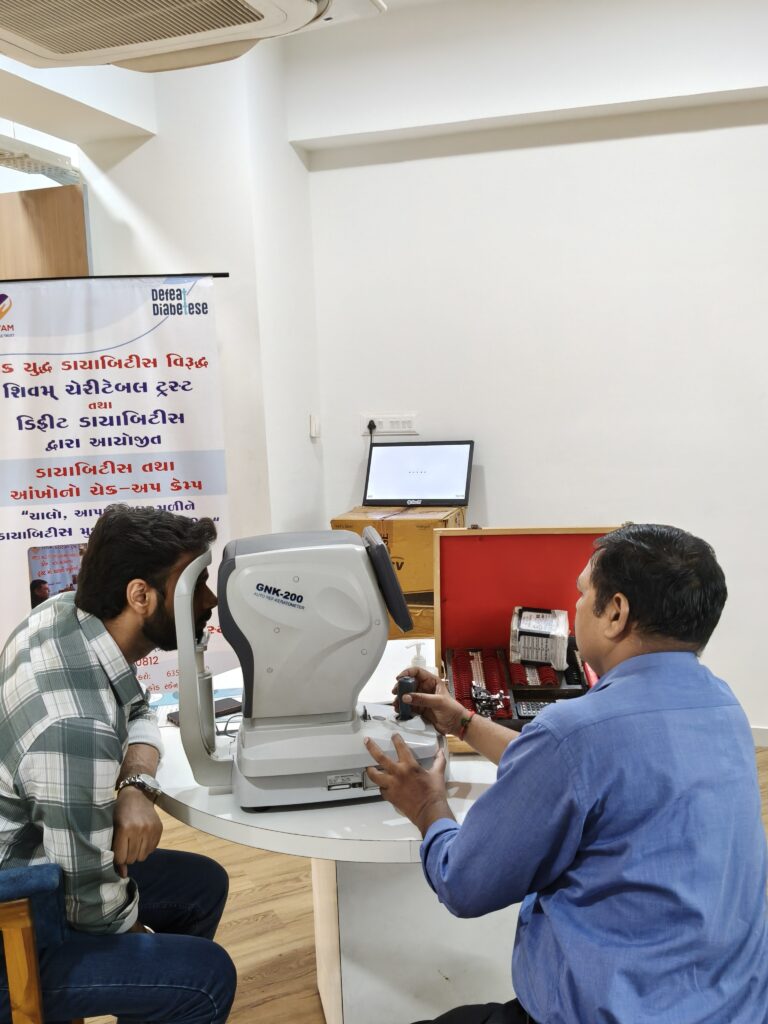
The Importance of Early Eye Check-Ups
Many people only think about their eyes when they notice a significant problem.
But eye health deserves attention before problems become disruptive.
Eye screening and examinations can help identify vision concerns and guide people toward appropriate care.
WHO’s 2024 Vision and Eye Screening Implementation Handbook provides guidance for conducting vision and eye screening in community and primary-care settings, with an emphasis on early identification and timely management.
A community eye-care program can therefore focus on:
- Basic vision awareness
- Appropriate screening
- Identifying people who may need further evaluation
- Guiding patients toward qualified eye-care professionals
- Encouraging follow-up
A screening is not a final diagnosis.
It is an opportunity to identify a possible concern and take the next appropriate step.
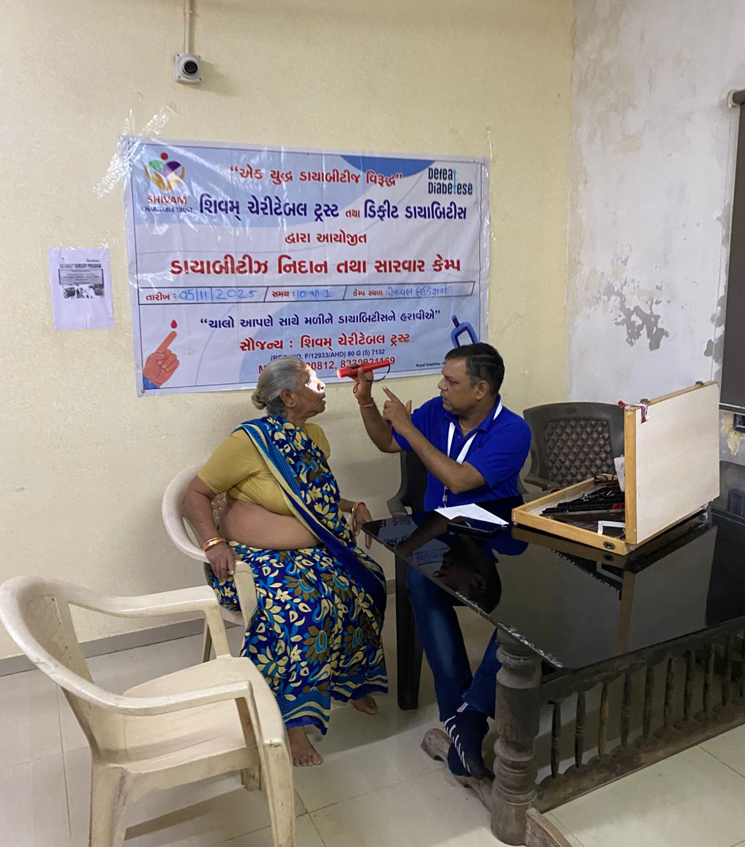
Creating Eye Health Awareness
Awareness is one of the simplest ways to encourage healthier communities.
People should understand that changes in vision should not always be ignored.
Common signs that may require professional attention can include:
- Difficulty seeing clearly
- Frequent headaches associated with vision
- Difficulty reading
- Difficulty seeing at night
- Blurred or distorted vision
- Sudden changes in vision
- Eye discomfort or other concerning symptoms
Any sudden or serious change in vision should receive prompt professional medical attention.
WHO recommends strengthening eye-health promotion and education at community and primary-care levels.
This is why Clear Vision, New Possibilities begins with awareness.
When people understand the importance of eye health, they are more likely to recognize concerns and seek appropriate care.
Supporting Children’s Eye Health
Children’s vision deserves special attention.
A child may not always be able to explain that they are having difficulty seeing.
Sometimes a child simply struggles in class, avoids reading or moves closer to a screen or blackboard.
This is why parents, teachers and communities can play an important role in recognizing possible vision concerns.
School-based eye-health initiatives can help promote awareness and appropriate screening.
The International Agency for the Prevention of Blindness has developed school eye-health guidelines aimed at supporting comprehensive eye-health programs for children.
A child’s ability to see clearly can influence learning.
That is why supporting children’s eye health is not only a healthcare responsibility.
It is also an investment in education and future opportunities.
Protecting the Vision of Senior Citizens
Senior citizens can experience a variety of age-related eye conditions.
Regular professional eye examinations can help identify vision problems that may otherwise go unnoticed.
Older adults may also face challenges related to mobility and independence when their vision is affected.
For families, paying attention to changes in an elderly person’s vision can therefore be important.
Community eye-care initiatives can help create awareness among senior citizens and their families.
The message is simple:
Do not ignore changes in vision. Seek appropriate professional advice.
The Importance of Accessible Eye Care
Eye care is most meaningful when people can actually access it.
WHO emphasizes that eye care should be integrated into health systems so people can receive needed services without financial hardship.
Accessibility can involve more than location.
It can include:
- Awareness
- Affordability
- Availability
- Appropriate screening
- Professional consultation
- Follow-up care
- Referral when necessary
For charitable organizations, the goal is to help reduce barriers wherever possible.
This is where community outreach can complement existing healthcare services.
Community Eye-Care Initiatives
Community eye-care initiatives can bring healthcare awareness directly to people.
A well-organized initiative can combine:
Awareness → Screening → Guidance → Referral → Follow-Up
This approach is more meaningful than simply conducting a one-day activity.
The International Agency for the Prevention of Blindness highlights a continuum of eye care that includes health promotion, screening, diagnosis, monitoring, treatment and rehabilitation.
Every community may have different needs.
Some people may need spectacles.
Others may require further evaluation.
Some may need treatment.
The role of a community initiative is to help people take the appropriate next step.
From Awareness to Action
Awareness only creates impact when it leads to action.
A person may learn that eye examinations are important.
The next step is actually getting an examination.
Someone may discover a vision problem.
The next step is seeking appropriate professional advice.
A patient may be advised to use spectacles.
The next step is using them correctly and following professional guidance.
This creates a simple but powerful cycle:
Awareness → Action → Care → Better Possibilities
That is the meaning behind Clear Vision, New Possibilities.
The Role of Shivam Charitable Trust
Shivam Charitable Trust works with the broader objective of supporting healthcare, education and community welfare.
The Trust’s healthcare initiatives include community health activities and eye-care support for people who need access to services.
Its official website provides information about its projects and community initiatives. Shivam Charitable Trust – Official Website
The Trust’s approach is based on bringing meaningful support closer to communities.
Eye care is an important part of that vision.
Through awareness and community-oriented healthcare initiatives, the goal is to encourage people to take their vision seriously.
Dr. Prakash Kurmi and the Vision Behind the Initiative
Dr. Prakash Kurmi, Founder of Shivam Charitable Trust, has been associated with healthcare and community service through various initiatives.
His approach combines medical awareness with social responsibility.
The underlying idea is simple:
Healthcare should not be limited to those who can easily access it.
Community outreach can help bring awareness and appropriate healthcare guidance closer to people who may otherwise face barriers.
Through initiatives associated with Shivam Charitable Trust, the focus extends beyond treatment toward awareness, prevention and community support.
A Note of Gratitude to Ms. Soniya Khanna
Ms. Soniya Khanna, CEO of Shivam Charitable Trust, has been a valued part of the Trust’s journey toward serving society with compassion and dedication.
Her thoughtful guidance and commitment contribute to the Trust’s efforts in healthcare, education and community welfare.
Through her continued support and dedication, Shivam Charitable Trust remains focused on reaching people in need and creating meaningful, positive change in society.
Her contribution to the Trust’s mission is deeply valued and sincerely appreciated.
10 Powerful Ways to Improve Eye Care
1. Promote Regular Eye Awareness
Encourage communities to understand the importance of eye health.
2. Conduct Appropriate Vision Screening
Community screening can help identify people who may require further evaluation.
3. Encourage Timely Professional Consultation
People should seek qualified professional advice when they notice concerning changes in vision.
4. Support Children’s Eye Health
Schools and families can work together to identify possible vision problems early.
5. Focus on Senior Citizens
Older adults should be encouraged to pay attention to changes in their vision.
6. Improve Awareness About Refractive Errors
People should understand that appropriate spectacles can address many refractive errors.
7. Reach Underserved Communities
Community outreach can help bring awareness and screening opportunities closer to people facing access barriers.
8. Encourage Follow-Up
Screening should be connected with appropriate referral and follow-up when required.
9. Build Community Partnerships
Healthcare professionals, schools, volunteers and community organizations can work together.
10. Make Eye Health Part of Everyday Health
Eye care should be viewed as an important part of overall health rather than something considered only when a major problem occurs.
Building Long-Term Impact
A successful charity initiative should not be measured only by the number of people attending a camp.
The deeper question is:
What happens after the camp?
Did people become more aware?
Did someone receive an appropriate eye examination?
Did a child get help for a vision problem?
Did an elderly person finally seek professional advice?
Did a family understand the importance of regular eye care?
These outcomes represent meaningful community impact.
Long-term change requires consistency.
One awareness program can start a conversation.
Repeated initiatives can build awareness.
Better awareness can encourage timely care.
And timely care can create new possibilities.
Community Support Makes the Difference
Healthcare organizations and charitable trusts cannot create sustainable change alone.
Community participation matters.
Volunteers can support awareness activities.
Schools can help communicate with children and parents.
Families can encourage older members to seek appropriate care.
Local communities can help identify people who may need support.
Healthcare professionals can provide the necessary expertise.
Together, these efforts can create a stronger community-based approach to eye health.
WHO also emphasizes engaging and empowering people and communities, particularly underserved populations, as part of integrated people-centred eye care.
Frequently Asked Questions
What does Clear Vision, New Possibilities mean?
Clear Vision, New Possibilities represents the idea that better access to eye care and awareness can help people protect their vision and improve their opportunities in daily life.
Why is eye care important in underserved communities?
Underserved communities can face greater barriers to eye-care services, including availability, affordability and distance.
Can eye screening help?
Appropriate screening can help identify possible vision problems and guide people toward further professional evaluation when necessary.
Why is children’s eye care important?
Vision can affect children’s learning and development. Early identification of vision problems can help connect children with appropriate care.
Why is eye care important for senior citizens?
Age-related vision problems can affect independence, mobility and quality of life. Regular professional eye care can help identify concerns.
What is the role of a charitable organization in eye care?
A charitable organization can help increase awareness, organize community initiatives, connect underserved populations with appropriate services and support access to care.
Conclusion
Clear Vision, New Possibilities is ultimately about giving people the opportunity to see their world more clearly and live with greater confidence.
Eye care should not be considered a luxury.
It is an important part of health, education, independence and quality of life.
For underserved communities, awareness and accessible services can make a meaningful difference.
Shivam Charitable Trust aims to contribute to this journey through healthcare and community-focused initiatives.
With the vision of Dr. Prakash Kurmi, Founder, and the leadership of Soniya Khanna, CEO, the Trust continues to focus on initiatives that connect healthcare and social responsibility.
The goal is simple:
Better Awareness. Better Eye Care. Better Possibilities.
When communities come together to protect vision, they are not only helping people see better.
They are helping people learn better, work better, live better and look toward a brighter future.
Clear Vision, New Possibilities — because every person deserves the opportunity to see a better tomorrow.
https://theshivamcharitabletrust.org/?utm_source=chatgpt.com
https://theshivamcharitabletrust.org/projects/?utm_source=chatgpt.com
https://www.who.int/health-topics/blindness-and-vision-loss?utm_source=chatgpt.com
https://www.iapb.org/learn/resources/package-of-eye-care-interventions/?utm_source=chatgpt.com