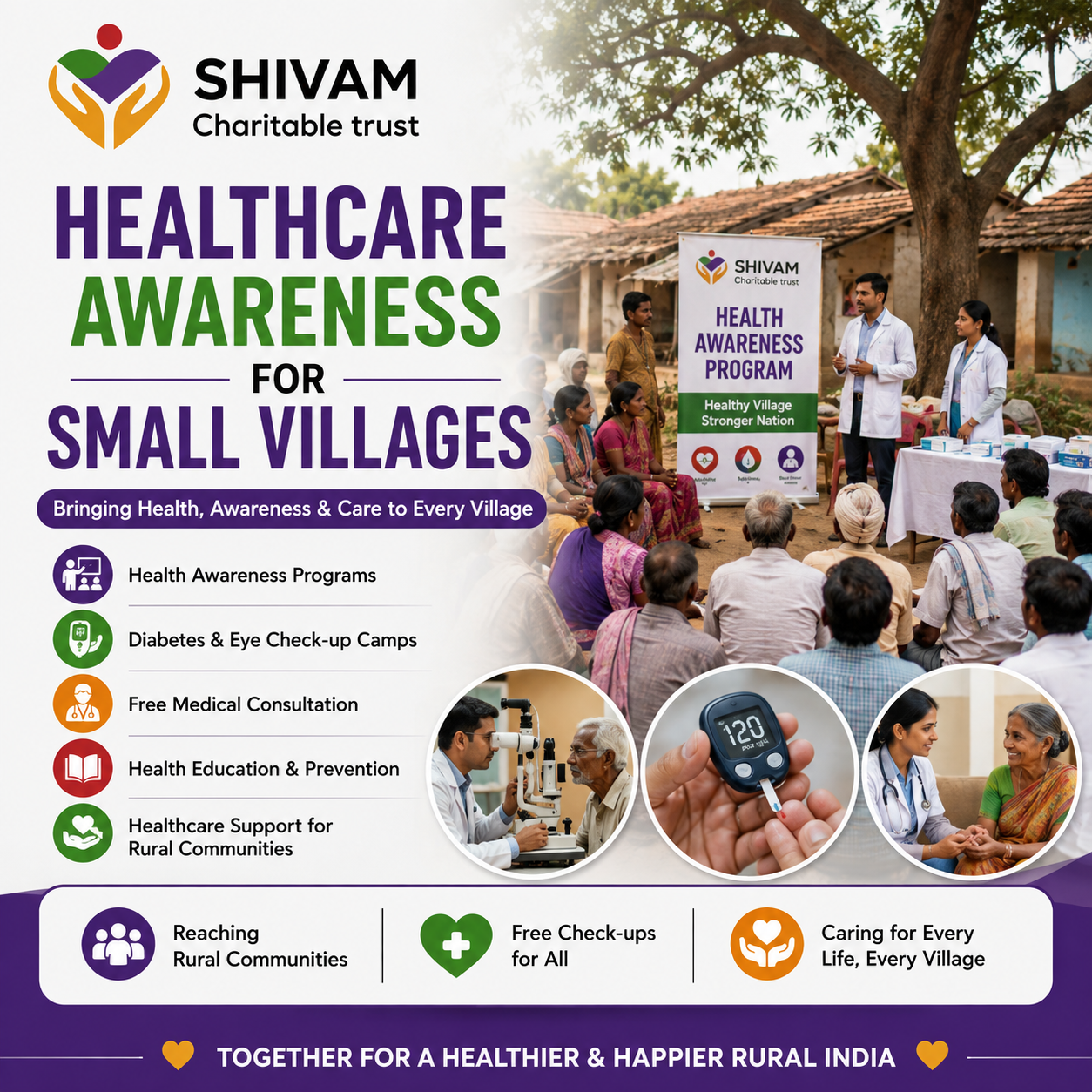
Diabetes Check-Up Camp is an important step toward creating healthier families, healthier villages and a healthier India. Diabetes can develop silently, and many people may not recognize the warning signs until blood sugar levels have already affected their health. Regular screening, timely medical guidance and awareness can help people understand their health status and take appropriate action.
Through its community healthcare initiatives, Shivam Charitable Trust works to take healthcare awareness and basic screening services closer to people, including communities where regular access to healthcare may be difficult.
The goal is simple: create awareness, encourage timely testing and guide people toward healthier lifestyles.
Table of Contents
- Why Is a Diabetes Check-Up Camp Important?
- Diabetes Symptoms Everyone Should Know
- How Is Diabetes Checked?
- Different Types of Diabetes
- Services Available at a Diabetes Check-Up Camp
- Diabetes Awareness and Healthy Lifestyle Guidance
- Reaching Villages and Underserved Communities
- The Role of Early Detection
- Conclusion
Why Is a Diabetes Check-Up Camp Important?
Diabetes is a chronic condition in which blood glucose levels become too high because the body does not produce enough insulin or cannot use insulin effectively. If diabetes remains uncontrolled for a long time, it can affect the heart, blood vessels, eyes, kidneys and nerves.
One of the biggest challenges is that Type 2 diabetes may develop gradually, and some people may have few or no obvious symptoms in the early stages.
This is why a Diabetes Check-Up Camp can play an important role in community health.
A camp can bring basic screening and health education directly to people. Instead of waiting until symptoms become serious, individuals can learn about their blood sugar levels, understand risk factors and seek professional medical advice when required.
Early diagnosis and appropriate management can help reduce the risk of serious diabetes-related complications.
Diabetes Symptoms Everyone Should Know
People should be aware of common warning signs of diabetes.
Some possible symptoms include:
- Increased thirst
- Frequent urination
- Unusual tiredness
- Unexplained weight loss
- Increased hunger
- Blurred vision
- Slow-healing wounds
However, symptoms are not always obvious, particularly in Type 2 diabetes. Therefore, people should not rely only on symptoms to determine whether they have diabetes.
Regular health checks and appropriate blood glucose testing can help identify diabetes earlier.
How Is Diabetes Checked?
A Diabetes Check-Up Camp can encourage people to undergo appropriate blood glucose testing and understand the importance of regular health monitoring.
Depending on the individual’s situation, healthcare professionals may recommend tests such as:
- Blood glucose testing
- Fasting blood glucose
- Random blood glucose
- HbA1c testing
- Other investigations when medically required
HbA1c provides information about average blood glucose levels over a period of time and is commonly used in diabetes assessment.
The exact tests required should be decided by a qualified healthcare professional based on the individual’s age, symptoms, medical history and risk factors.
The World Health Organization emphasizes early diagnosis through blood glucose testing and appropriate ongoing management.
Different Types of Diabetes
Understanding the different types of diabetes is an important part of diabetes awareness.
1. Type 1 Diabetes
Type 1 diabetes occurs when the body produces little or no insulin. People with Type 1 diabetes require insulin for survival and need ongoing medical care.
2. Type 2 Diabetes
Type 2 diabetes is the most common form of diabetes. It occurs when the body does not use insulin effectively and may also involve insufficient insulin production.
Healthy eating, regular physical activity, maintaining a healthy body weight and avoiding tobacco can help prevent or delay Type 2 diabetes in many people.
3. Gestational Diabetes
Gestational diabetes develops during pregnancy. Appropriate screening and medical follow-up are important because it can affect both the mother and baby and may increase future risk of Type 2 diabetes.
Services Available at a Diabetes Check-Up Camp
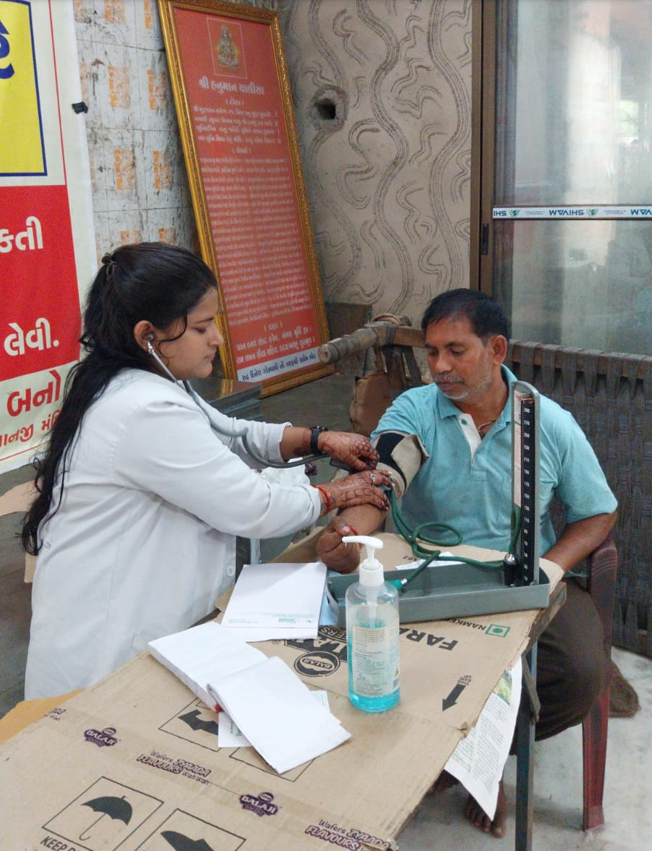
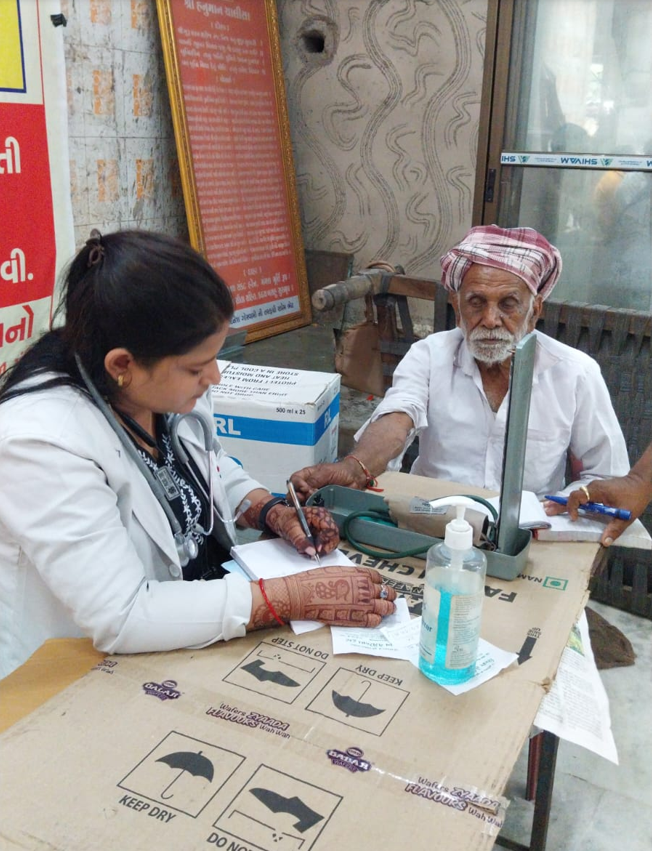
The Diabetes Check-Up Camp organized as part of community healthcare outreach can focus on practical services and awareness.
Diabetes Testing
Basic diabetes screening can help individuals understand whether their blood glucose level requires further evaluation.
Doctor Consultation
People can discuss their health concerns and screening results with a qualified doctor and understand what further medical evaluation may be appropriate.
Health Awareness
Awareness is a major part of diabetes prevention and management. People can learn about diabetes risk factors, symptoms, complications and the importance of regular monitoring.
Healthy Lifestyle Guidance
Participants can receive general guidance about healthy eating, physical activity, weight management and other lifestyle habits that support better health.
The purpose is not simply to conduct a test. It is to help people understand the importance of prevention, early detection and proper care.
Diabetes Awareness and Healthy Lifestyle Guidance
Diabetes management is not limited to medicines.
A healthy lifestyle can be an important part of preventing or managing Type 2 diabetes. Regular physical activity, a balanced diet, healthy body weight and avoiding tobacco are among the measures recommended for reducing diabetes risk.
Simple daily habits can make a meaningful difference:
- Choose balanced meals.
- Limit foods and drinks high in added sugar.
- Include vegetables, whole grains and appropriate protein sources.
- Stay physically active.
- Maintain a healthy body weight.
- Avoid tobacco.
- Follow medical advice and prescribed treatment.
- Attend recommended follow-up appointments.
- Monitor blood glucose when advised by a healthcare professional.
People who already have diabetes should not stop or change medicines without consulting their doctor.
Reaching Villages and Underserved Communities
Healthcare awareness becomes even more meaningful when it reaches people where they live.
Shivam Charitable Trust focuses on community-oriented healthcare initiatives and has undertaken health check-up and diabetes awareness activities as part of its wider social-service work. Its website also highlights health check-ups for underserved communities and the Defeat Diabetes initiative.
A Diabetes Check-Up Camp can therefore become more than a medical event. It can become a platform where people ask questions, learn about diabetes and understand why regular health monitoring matters.
Village-to-village outreach can help spread the message:
Know your health. Check your sugar. Understand diabetes. Choose a healthier lifestyle.
The Role of Early Detection
Early detection gives people an opportunity to take action before complications become advanced.
Uncontrolled diabetes over time can contribute to complications involving the eyes, kidneys, nerves, heart and blood vessels. Regular monitoring and appropriate medical care can help reduce or delay these risks.
This is why diabetes awareness should not be limited to people who already have diabetes.
Families, young adults, working professionals, senior citizens and people with diabetes risk factors can all benefit from better awareness and appropriate screening.
A Diabetes Check-Up Camp creates an opportunity to start that conversation.
Shivam Charitable Trust – Working for a Healthier Community
Shivam Charitable Trust believes that healthcare awareness should reach beyond hospital walls.
Its community initiatives include medical check-ups, eye-care activities, diabetes awareness and other healthcare-focused programs. The Trust’s broader mission is centered on service, compassion and improving access to healthcare for communities.
The message behind every community health initiative is simple:
“Healthy Village, Healthy Family, Healthy India.”
Through awareness, screening and medical guidance, communities can become better informed about diabetes and other health concerns.
Conclusion
A Diabetes Check-Up Camp is an important community health initiative because it combines screening, medical consultation, awareness and healthy lifestyle guidance in one accessible setting.
Diabetes may not always produce clear symptoms in its early stages. That is why timely health checks and awareness are so important.
If you are concerned about your blood sugar, have diabetes risk factors, or have symptoms such as excessive thirst, frequent urination, tiredness or unexplained weight loss, speak with a qualified healthcare professional and ask whether testing is appropriate.
Know diabetes. Check your health. Take action early. Live healthier.
Learn More
To learn more about Shivam Charitable Trust’s healthcare and community initiatives, visit the Trust’s official website and explore its health-related projects.
Shivam Charitable Trust
Ahmedabad, Gujarat
Helpline: +91 73839 30812
Website: theshivamcharitabletrust.org
Suggested Internal Links:
Shivam Charitable Trust – Home
About Shivam Charitable Trust
Health Checkups for Underprivileged People
Defeat Diabetes
Projects
Contact Us
https://theshivamcharitabletrust.org/projects/?utm_source=chatgpt.com
https://theshivamcharitabletrust.org/about-us/?utm_source=chatgpt.com
https://theshivamcharitabletrust.org/projects/?utm_source=chatgpt.com